

How to Make Your PR Strategy Work With AI Search Engines: A Practical Guide

Your PR strategy faces a major shift. Gartner predicts organic search engine volume will drop 25% by 2026 as AI chatbots and virtual agents change how people find information.
ChatGPT and Perplexity now have over 400 million active users combined. The old SEO playbook isn’t enough anymore. We need to rethink how brands build visibility and credibility in this new landscape. McKinsey’s 2024 survey shows 72% of organizations have already adopted AI – this isn’t a future trend, it’s happening now.
Here’s the challenge: your brand might be completely misrepresented or ignored in AI-generated responses if you don’t appear in the right places. Website rankings matter less than ever. Generative Engine Optimization (GEO) has emerged as the essential approach – focusing on establishing your presence in the authoritative sources that AI models actually trust.
B2B companies feel this shift most dramatically, with up to 30% of referral traffic now coming from platforms like ChatGPT. We don’t just explain the problem – we’ll show you exactly how to adapt your PR approach for this AI-driven world. Your brand deserves more than outdated strategies. Let’s build a system that ensures you not only survive but thrive as search continues to evolve.
The Hidden Costs of Ignoring AI in Your PR Strategy
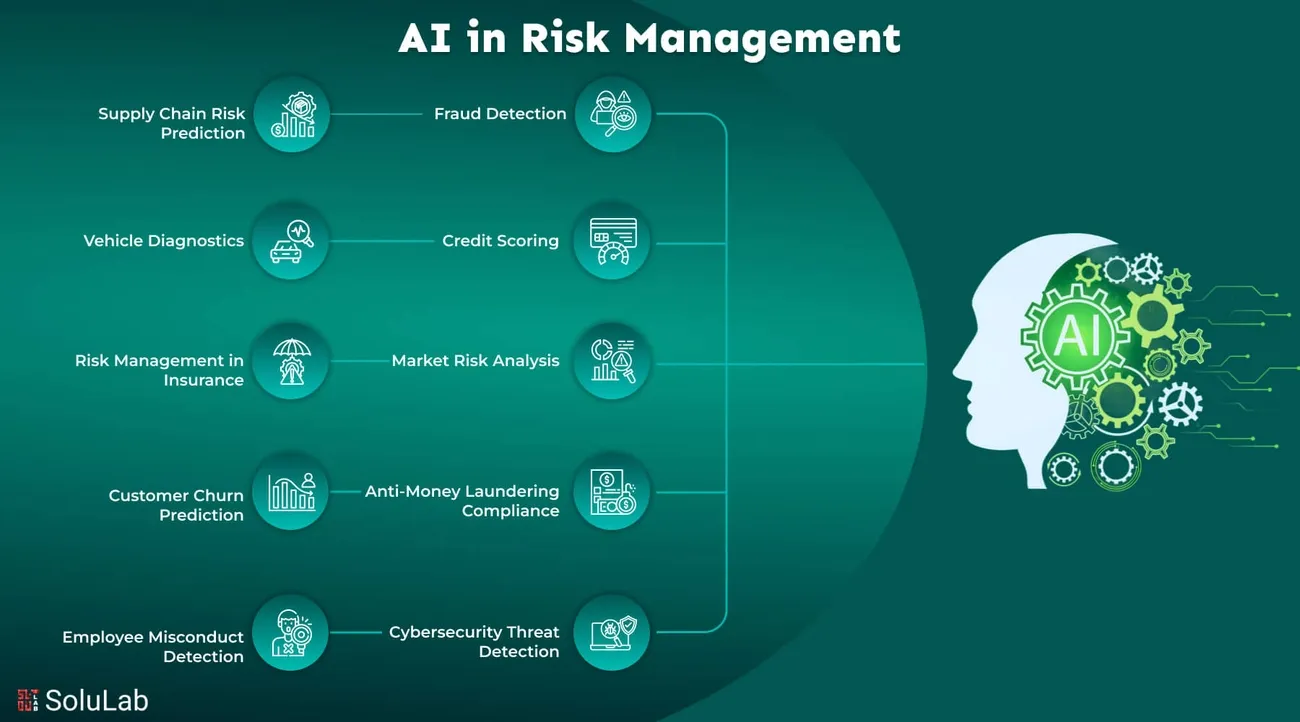
Image Source: SoluLab
Leaving AI out of your PR approach isn’t just a missed opportunity—it’s a serious risk to your brand’s reputation and visibility. As AI reshapes how audiences discover information, these challenges demand your immediate attention.
Your Brand Story Without Your Input
What happens when AI tells your story without you in the room? You lose control.
AI systems often “hallucinate” information—creating content that sounds believable but might be completely false. Google faced this problem directly after Google faced significant backlash when its AI spread false claims. Since these systems don’t fact-check in real-time, your carefully crafted brand narrative could be misrepresented or fabricated entirely, undermining years of reputation building.
AI doesn’t understand nuance or context the way humans do. It lacks the emotional intelligence essential for effective communication. When AI tools become the primary source of information discovery, your absence from trusted sources means surrendering your story to algorithms that might not capture your values or messaging accurately.
Yesterday’s News, Tomorrow’s Problem
AI has a fundamental flaw: it prioritizes popularity over accuracy. “generative AI tools don’t know what is true, just what is popular”. This means AI might reference outdated or incorrect information about your organization, with content that lacks regular updates becoming “less effective over time as AI models refine how they process information”.
The problem gets worse. Many AI platforms now can’t use trusted media sources like The New York Times and Condé Nast. This has caused a “50% drop in quality content available to generative AI technologies”. Without actively managing your digital footprint, these systems may spread misinformation that damages your credibility with potential clients.
Traffic Stops at the Search Box
Zero-click searches have changed the game. Users get information directly from search results without ever visiting your website.
The numbers tell the story: 62.41% of Google searches ended without clicks in 2021, up from 54.11% in 2017. As AI search capabilities expand, “about 80% of consumers now rely on ‘zero-click’ results in at least 40% of their searches”.
What does this mean for your business? Bain’s research shows organic web traffic dropping by “15% to 25%” due to zero-click results. This isn’t just about numbers—it’s about lost visibility, fewer conversion opportunities, and ultimately, a diminished ability to build meaningful relationships with potential customers.
How AI and PR Create Your Digital Reputation

AI systems don’t just find your brand online – they actively interpret and shape how you’re perceived. Your PR strategy must understand exactly how these technologies analyze communications about your organization.
The AI Interpretation Process
AI doesn’t just count mentions of your brand. It reads context, identifies patterns, and evaluates quality across social media, news articles, and blogs at remarkable speed. This isn’t simple monitoring – it’s comprehensive analysis.
AI-powered media monitoring now tracks your brand across digital channels while determining tone and relevance. These systems extract insights that would be impossible to gather manually, completely changing how we measure campaign impact.
Smart automation saves time. But smart strategy turns that time into traction.
What AI Values Most: Trust, Clarity, Sentiment
When AI evaluates your content, three factors stand out above all others.
First, sentiment analysis has evolved beyond basic positive/negative sorting. Modern AI detects complex emotional states like happiness, anger, or sadness. While human sentiment coding achieves 85% accuracy compared to AI’s 59%, AI processes information approximately 100 times faster than human analysts.
Second, clarity matters tremendously. AI rewards straightforward, well-structured content that directly addresses audience questions.
Third, trust indicators heavily influence how AI ranks and recommends your content. Systems look for signals that establish credibility and authority.
Why Earned Media Is Your AI Currency
Earned media has become your most valuable digital asset. AI systems trust reputable publishers when generating responses about your brand. Getting featured in high-authority publications dramatically increases your chance of appearing in AI search results.
Earned media coverage matters more than ever as AI algorithms specifically prioritize trusted sources. This isn’t just about visibility – it’s about credibility.
Your PR strategy must focus on securing mentions in publications that AI considers authoritative. These are the very sources AI will reference when answering questions about your industry, products, or services.
We help you get placed in the trusted sources that shape how AI presents your brand to the world.
PR Strategy for AI Search Engines: Your Practical Guide
The Risks of Ignoring AI in PR
!Image
Image Source: SoluLab
Ignoring AI in your PR strategy creates real risks that damage your brand reputation and online visibility. As AI changes how people find information, these challenges demand your attention now.
Loss of brand control in AI-generated answers
When AI creates content about your organization without proper guidance, you lose control of your brand story. AI systems often “hallucinate” information—creating plausible but completely false content that appears legitimate. Google recently faced major backlash after its AI spread false claims. Since these systems don’t fact-check in real-time, your brand story might be misrepresented or fabricated entirely, undoing years of careful reputation building.
AI struggles with nuance and context in human interactions. It lacks the emotional intelligence needed for effective communication. As these tools become the go-to for information discovery, your absence from trusted sources means surrendering your narrative to algorithms that may not capture your values or messaging accurately.
Misinformation and outdated content risks
AI tends to prioritize popular content over factually accurate information. The fundamental problem? “Generative AI tools don’t know what is true, just what is popular.” This means AI might reference outdated or incorrect information about your organization, as content without regular updates becomes “less effective over time as AI models refine how they process information.”
Many AI platforms now cannot use trusted media sources like The New York Times and Condé Nast, increasing inaccuracy risks—with data showing a “50% drop in quality content available to generative AI technologies.” Without actively managing your digital footprint, these systems may spread misinformation that damages your credibility.
Reduced website traffic from zero-click searches
Zero-click searches—where users get information directly from search results without visiting websites—have grown dramatically. In 2021, 62.41% of Google searches ended without clicks, up from 54.11% in 2017. This trend speeds up as AI search expands, with research showing “about 80% of consumers now rely on ‘zero-click’ results in at least 40% of their searches.”
The impact is significant—Bain’s research shows reduced organic web traffic by approximately “15% to 25%” due to zero-click results. This traffic decline directly impacts your visibility, conversion opportunities, and ultimately, your ability to build meaningful relationships with potential customers.
How AI and PR Work Together
!Image
Image Source: Microsoft News
Understanding how AI and PR work together means looking at how these technologies actually analyze brand communications. Your PR strategy must adapt to how AI processes information about your organization.
How AI interprets PR content
AI uses natural language processing (NLP) to understand brand communications across multiple channels. These systems analyze vast amounts of data from social media, news articles, and blogs with unprecedented speed. AI doesn’t just catalog mentions—it examines context, identifies patterns, and evaluates content quality.
AI-powered media monitoring has advanced significantly, tracking brand mentions across numerous digital channels while assessing tone and relevance. These systems extract meaningful insights that would be impossible to gather manually, processing information at a scale that transforms how PR professionals measure campaign impact.
Signals AI models prioritize: trust, clarity, sentiment
AI algorithms focus on specific signals when evaluating PR content. Sentiment analysis has become central—AI now identifies not just positive or negative mentions but also detects more complex emotional states like happiness, anger, or sadness. Trust indicators heavily influence how AI ranks and recommends content, with research showing human sentiment coding achieves 85% accuracy compared to AI’s 59%. Still, AI works approximately 100 times faster than human coders.
Clarity matters too—AI systems reward straightforward, well-structured content that directly addresses audience questions.
Why earned media and brand mentions matter
Earned media has become critically important in the AI era. These systems trust reputable publishers when generating responses. Being featured in high-authority publications increases your chance of appearing in AI search results. In fact, earned media coverage matters more than ever as AI algorithms place special focus on trusted sources.
Your PR strategy must prioritize securing mentions in publications that AI systems consider credible, as these are the sources AI will reference when answering user queries about your brand.
Building a GEO-Ready PR Strategy

Image Source: Venngage
Smart automation saves time. But smart strategy turns that time into traction. As search transforms, your PR approach needs to evolve to maintain visibility in AI-generated responses.
1. Audit your current brand presence in AI tools
Test your brand’s visibility across major AI platforms. Use tools like Claude, ChatGPT, Perplexity, and Gemini to see if they reference your organization when answering relevant queries. Look at how your company appears—is the information accurate, complete, and aligned with your messaging? This audit helps identify gaps between your desired reputation and how AI systems actually present you.
2. Target media outlets crawled by AI models
AI prioritizes content from authoritative publications, making earned media the cornerstone of your strategy. However, many publishers now block AI crawlers—48% of top news websites blocked OpenAI’s crawlers by late 2023. Meanwhile, media giants like Reach (publisher of Mirror) refuse third-party links unless commercially agreed. Focus on securing coverage in outlets that both maintain high credibility and still permit AI crawling.
3. Create content that answers real user questions
Develop thought leadership pieces, listicles, research reports, and expert interviews that directly address audience needs. For brands to appear in AI-generated results, you must provide “content that actively supports learning, problem-solving, and creative tasks”. Don’t gatekeep valuable content—share insights across platforms where your audience actively engages.
4. Use AI tools for public relations monitoring
Implement AI-powered media monitoring tools that track brand mentions across digital platforms in real-time. These systems analyze sentiment, identify emerging trends, and provide actionable insights faster than manual methods. Such tools help detect potential issues before they escalate and measure campaign effectiveness through metrics specific to AI visibility.
5. Align PR, SEO, and content teams
Establish cross-functional workflows that share insights between PR, SEO, and content teams. Create a shared editorial calendar and hold regular planning sessions with team leads. The Content Marketing Institute identifies communication across silos as the #1 challenge for content marketers. By aligning these functions, you can repurpose PR wins into optimized content and leverage SEO insights for media pitches.
Measuring What Matters in the AI Era
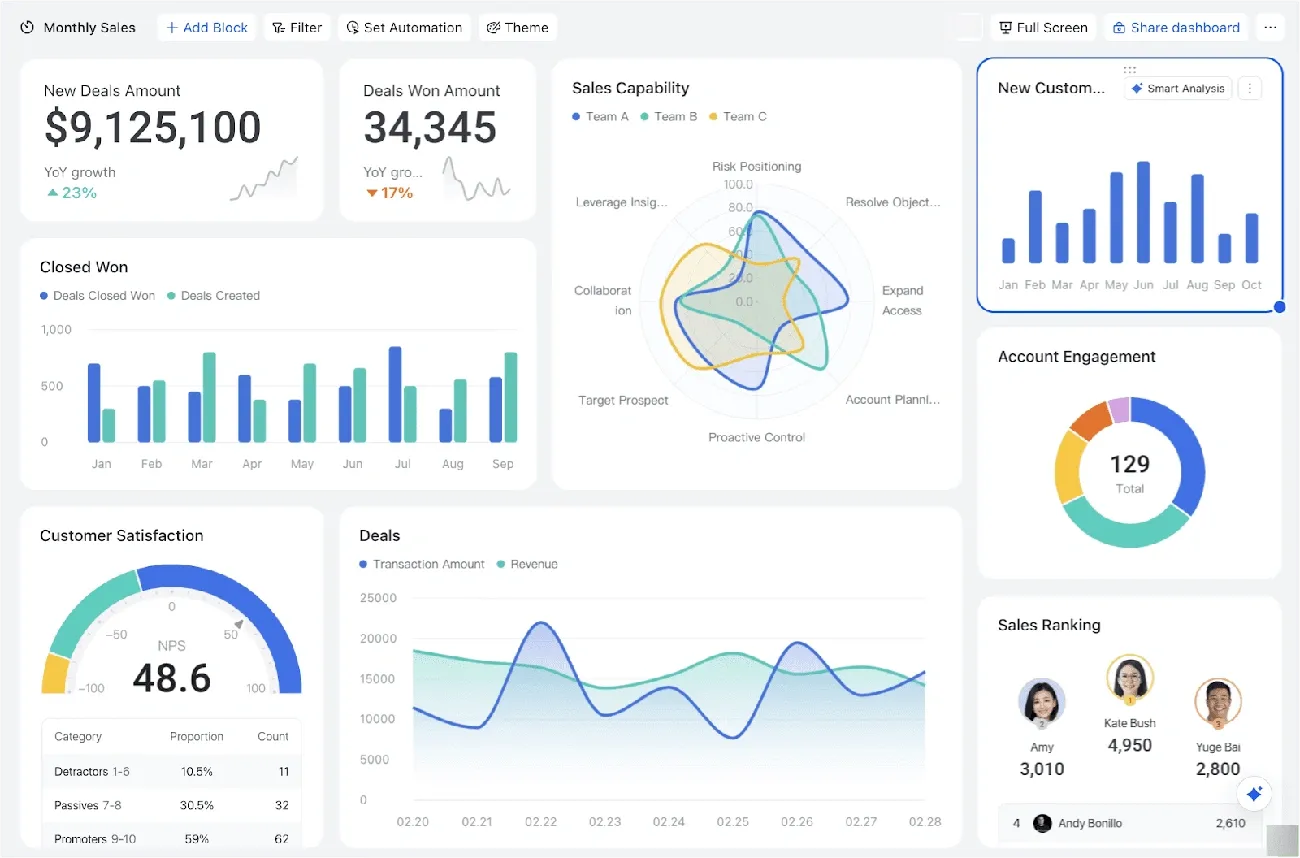
Image Source: Lark
Traditional PR metrics don’t capture what’s happening in the AI landscape. Your brand needs new measurement approaches to understand visibility where it counts – in AI-generated responses.
New metrics that matter: Share of Model, Sentiment, Accuracy
“Share of Model” has become essential for PR measurement. Introduced by Jack Smyth, this metric measures your brand’s presence within AI data sets as a proportion of total mentions in your category. This isn’t just about counting mentions – it’s about understanding how AI models position your brand compared to competitors. Tracking these patterns creates a valuable leading indicator of market share before traditional metrics show changes.
Sentiment analysis has moved beyond simple positive/negative sorting. Today’s tools identify complex emotions across text, images, and video materials. Human sentiment coding achieves 85% accuracy compared to AI’s 59%, but AI works approximately 100 times faster – making it a vital part of your measurement toolkit.
Tracking AI-driven traffic effectively
AI search engines have dramatically boosted referral traffic for some industries by over 700%. We help you track this properly in Google Analytics 4 with:
-
Custom reports that filter AI sources using regex patterns for platforms like ChatGPT and Perplexity
-
Automated alerts that flag significant changes in referral patterns
-
Monitoring systems for content pieces receiving the most AI citations
Remember that some AI traffic appears as “direct” traffic, especially from mobile apps – requiring more sophisticated tracking approaches.
Smart adjustments based on what works
After setting up your measurement framework, we focus on optimizing what’s already working. Content showing strong AI citation patterns deserves more investment. Real-time analytics let us make quick campaign adjustments based on performance data.
We help you use predictive analytics to spot trends before they emerge. These systems analyze historical and real-time data, including social media activity, news cycles, and consumer behavior.
Your AI visibility needsa quarterly review. We’ll help you continuously refine your approach as these models evolve, ensuring your brand stays visible where decisions are made.
PR Strategy for AI Search Engines: Your Practical Guide
!Hero Image for How to Make Your PR Strategy Work With AI Search Engines: A Practical Guide
Your PR strategy faces a major shift. Gartner predicts organic search engine volume will drop 25% by 2026 as AI chatbots and virtual agents change how people find information.
ChatGPT and Perplexity now have over 400 million active users combined. The old SEO playbook isn’t enough anymore. We need to rethink how brands build visibility and credibility in this new landscape. McKinsey’s 2024 survey shows 72% of organizations have already adopted AI – this isn’t a future trend, it’s happening now.
Here’s the challenge: your brand might be completely misrepresented or ignored in AI-generated responses if you don’t appear in the right places. Website rankings matter less than ever.
Generative Engine Optimization (GEO) has emerged as the essential approach, focusing on establishing your presence in the authoritative sources that AI models actually trust.
B2B companies feel this shift most dramatically, with up to 30% of referral traffic now coming from platforms like ChatGPT.
We don’t just explain the problem – we’ll show you exactly how to adapt your PR approach for this AI-driven world. Your brand deserves more than outdated strategies. Let’s build a system that ensures you not only survive but thrive as search continues to evolve.
The Risks of Ignoring AI in Public Relations
Ignoring AI in your PR strategy creates real risks that damage your brand reputation and reduce your online visibility. These aren’t theoretical problems – they’re happening now as AI reshapes how people discover and consume information.
Loss of brand control in AI-generated answers
When AI creates content about your organization without proper guidance, you lose control of your brand story. AI systems often “hallucinate” information, creating plausible but completely false content that looks legitimate to users. Google recently faced major backlash after its AI spread false claims. Since these systems don’t fact-check in real-time, your brand story might be misrepresented or fabricated entirely, undermining years of careful reputation-building.
AI also struggles with nuance and context in human interactions. It lacks the emotional intelligence needed for effective communication. As these tools become more central to information discovery, your absence from trusted sources means surrendering your narrative to algorithms that may not represent your values or messaging accurately.
Misinformation and outdated content risks
AI tends to prioritize popular content over factually accurate information, creating serious misinformation risks. A fundamental problem is that “generative AI tools don’t know what is true, just what is popular.” This means AI might reference outdated or incorrect information about your organization, as content without regular updates becomes “less effective over time as AI models refine how they process information.”
Many AI platforms are now forbidden from using trusted media sources like The New York Times and Condé Nast. This has increased the risk of inaccuracy—with data showing a “50% drop in quality content available to generative AI technologies.” Without actively managing your digital footprint, these systems may spread misinformation that damages your credibility.
Reduced website traffic from zero-click searches
Zero-click searches—where users get information directly from search results without visiting websites—have grown dramatically. In 2021, 62.41% of Google searches ended without clicks, up from 54.11% in 2017. This trend speeds up as AI search capabilities expand, with research showing that “about 80% of consumers now rely on ‘zero-click’ results in at least 40% of their searches.”
The consequences are significant—Bain’s research shows reduced organic web traffic by approximately “15% to 25%” due to zero-click results. This traffic decline directly impacts your visibility, conversion opportunities, and ultimately, your ability to build meaningful relationships with potential customers.
How AI and Public Relations Work Together
Understanding how AI and PR work together means looking at how these systems actually analyze and interpret brand communications. Your PR strategy must adapt to how AI processes information about your organization.
How AI interprets PR content
AI uses natural language processing (NLP) to understand brand communications across multiple channels. These systems analyze vast amounts of data from social media, news articles, and blogs with unprecedented speed.
AI doesn’t just catalog mentions—it examines context, identifies patterns, and evaluates content quality. AI-powered media monitoring tracks brand mentions across numerous digital channels while assessing tone and relevance.
These systems extract meaningful insights that would be impossible to gather manually, processing information at a scale that transforms how PR professionals measure campaign impact.
Signals AI models prioritize: trust, clarity, sentiment
AI algorithms look for specific signals when evaluating PR content. Sentiment analysis has become central—AI now identifies not just positive or negative mentions but also detects more complex emotional states like happiness, anger, or sadness.
Trust indicators significantly influence how AI ranks and recommends content, with research showing human sentiment coding achieves 85% accuracy compared to AI’s 59%.
Nevertheless, AI excels in efficiency, working approximately 100 times faster than human coders. Clarity also matters—AI systems reward straightforward, well-structured content that directly addresses audience questions.
Why earned media and brand mentions matter
Earned media has become critically important in the AI era, as these systems trust reputable publishers when generating responses. Being featured in high-authority publications increases your chance of appearing in AI search results. In fact, earned media coverage is more important than ever as AI algorithms place distinct focus on trusted sources. Your PR strategies must prioritize securing mentions in publications that AI systems consider credible, as these are the sources AI will reference when answering user queries.
Building a GEO-Ready PR Strategy
Developing a GEO-ready PR strategy requires deliberate planning and execution. As search evolves, your approach must adapt to maintain visibility in AI-generated responses.
1. Audit your current brand presence in AI tools
Start by testing your brand’s visibility across major AI platforms. Use tools like Claude, ChatGPT, Perplexity, and Gemini to see if they reference your organization when answering relevant queries. Look at how your company appears in these results—is the information accurate, complete, and aligned with your messaging? This audit helps identify gaps between your desired reputation and how AI systems actually present you.
2. Target media outlets crawled by AI models
AI prioritizes content from authoritative publications, putting earned media at the forefront of your strategy. However, many publishers now block AI crawlers—48% of top news websites blocked OpenAI’s crawlers by late 2023. Meanwhile, media giants like Reach (publisher of Mirror) refuse third-party links unless commercially agreed. Focus on securing coverage in outlets that both maintain high credibility and still permit AI crawling.
3. Create content that answers real user questions
Develop thought leadership pieces, listicles, research reports, and expert interviews that directly address audience needs. For brands to appear in AI-generated results, you must provide “content that actively supports learning, problem-solving, and creative tasks.” Don’t gatekeep valuable content—share insights across platforms where your audience actively engages.
4. Use AI tools for public relations monitoring
Implement AI-powered media monitoring tools that track brand mentions across digital platforms in real-time. These systems analyze sentiment, identify emerging trends, and provide actionable insights faster than manual methods. Such tools help detect potential issues before they escalate and measure campaign effectiveness through metrics specific to AI visibility.
5. Align PR, SEO, and content teams
Establish cross-functional workflows that share insights between PR, SEO, and content teams. Create a shared editorial calendar and hold regular planning sessions with team leads. The Content Marketing Institute identifies communication across silos as the #1 challenge for content marketers. By aligning these functions, you can repurpose PR wins into optimized content and leverage SEO insights for media pitches.
Measuring and Adapting Your Strategy
Measuring PR success requires entirely new metrics as AI reshapes how audiences discover information online. Traditional analytics fall short in capturing AI’s true impact on brand visibility and perception.
New metrics: share of model, sentiment, accuracy
“Share of Model” has emerged as a critical metric for modern PR measurement. This concept, introduced by Jack Smyth, measures a brand’s presence within AI data sets as a proportion of total mentions within a category.
It provides insights into both visibility and brand positioning by analyzing associations generated by large language models (LLMs). Tracking how your brand’s mention rate evolves compared to competitors creates a valuable leading indicator of market share.
Sentiment analysis has likewise advanced beyond basic positive/negative classification. Modern AI tools now identify complex emotions and context across text, images, and video materials. Though research shows human sentiment coding achieves 85% accuracy compared to AI’s 59%, AI’s efficiency (working approximately 100 times faster than human coders) makes it indispensable.
How to track AI-driven referral traffic
AI search engines have dramatically increased referral traffic, with some industries experiencing over 700% growth. Tracking this traffic in Google Analytics 4 requires specific configurations:
-
Create a custom report that filters traffic from AI sources using regex patterns for platforms like ChatGPT, Perplexity, and Gemini
-
Set up automated alerts for significant changes in AI referral patterns
-
Monitor which content pieces receive the most AI citations
Importantly, some AI traffic may appear as “direct” traffic, particularly from mobile apps, requiring comprehensive analytical approaches.
Adjusting PR campaigns based on AI visibility
After establishing measurement frameworks, use these insights to optimize your PR strategy. Specifically, focus on content that already demonstrates AI citation strength. Real-time AI analytics enable dynamic campaign adjustments based on performance data.
Furthermore, leverage predictive analytics to forecast trends and optimize future planning. These systems analyze historical and real-time data including social media activity, news cycles, and consumer behavior patterns. By regularly reviewing AI visibility metrics quarterly, you can continuously refine your approach as these models evolve.
Conclusion
The shift toward AI-powered search fundamentally changes how brands must approach PR. Throughout this guide, we’ve seen how ChatGPT, Perplexity, and other AI tools demand a move from traditional SEO to Generative Engine Optimization strategies.
Brands that don’t adapt face serious consequences. First, they lose control of their narrative as AI systems may generate inaccurate information about them. Second, outdated or incorrect content might persist in AI responses, damaging brand credibility. Finally, zero-click searches significantly reduce website traffic, limiting conversion opportunities.
A GEO-ready PR strategy isn’t optional—it’s essential. This approach starts with auditing your current AI presence, then targeting media outlets still available to AI crawlers. Creating content that directly answers user questions positions your brand as a trusted information source.
Your measurement frameworks must evolve beyond traditional metrics. Share of model, sentiment analysis, and AI-driven referral traffic provide deeper insights into performance in this new landscape. Smart brands adjust their campaigns based on these AI visibility metrics, making regular refinements as algorithms evolve.
The time to act is now. Schedule a discovery call with the PR & AI Experts at Empathy First Media to develop your GEO-ready strategy before competitors gain an edge. AI search represents a significant shift, but it also creates unprecedented opportunities for brands willing to embrace new approaches to visibility, credibility, and audience engagement.
FAQs
Q1. How is AI transforming public relations strategies? AI is revolutionizing PR by automating routine tasks, enhancing media monitoring, and providing deeper insights into brand perception. It allows PR professionals to focus on strategic activities while AI handles data analysis and content generation, ultimately leading to more targeted and effective campaigns.
Q2. What are the key risks of ignoring AI in PR? Ignoring AI in PR can lead to loss of brand control in AI-generated responses, spread of misinformation about your company, and reduced website traffic due to zero-click searches. These risks can significantly impact your brand’s online visibility and reputation.
Q3. How can brands measure their success in AI-driven PR? New metrics like “Share of Model” measure a brand’s presence within AI datasets. Sentiment analysis now identifies complex emotions, while tracking AI-driven referral traffic provides insights into visibility. Regular review of these metrics allows for continuous strategy refinement.
Q4. What steps can companies take to build an AI-ready PR strategy? To build an AI-ready PR strategy, companies should audit their current AI presence, target media outlets crawled by AI, create content answering real user questions, implement AI-powered media monitoring tools, and align their PR, SEO, and content teams for a cohesive approach.
Q5. Will AI completely replace human PR professionals? No, AI will not completely replace human PR professionals. While AI can automate many tasks and provide valuable insights, it cannot replicate human creativity, intuition, and emotional intelligence. Instead, AI complements human skills, allowing PR professionals to focus on more strategic and high-level aspects of their work.
