

Did you know Cal Fire’s network of 1,114 high-tech cameras can spot smoke from 120 miles away? These tools, powered by advanced algorithms, help prevent wildfires before they spread. Similar technology is revolutionizing how brands manage risks online.
Modern crisis management relies on real-time data to act fast. Social media moves quickly, and waiting for problems to escalate is no longer an option. That’s where smart monitoring steps in—transforming reactive damage control into proactive protection.
At Empathy First Media, we specialize in helping businesses stay ahead. Whether it’s wildfire prevention or brand reputation, our strategies keep you secure. Need expert advice? Call 866-260-4571 for a consultation today.
Want to see how artificial intelligence reshapes PR? Explore real-world applications here.
Understanding AI Crisis Detection Systems
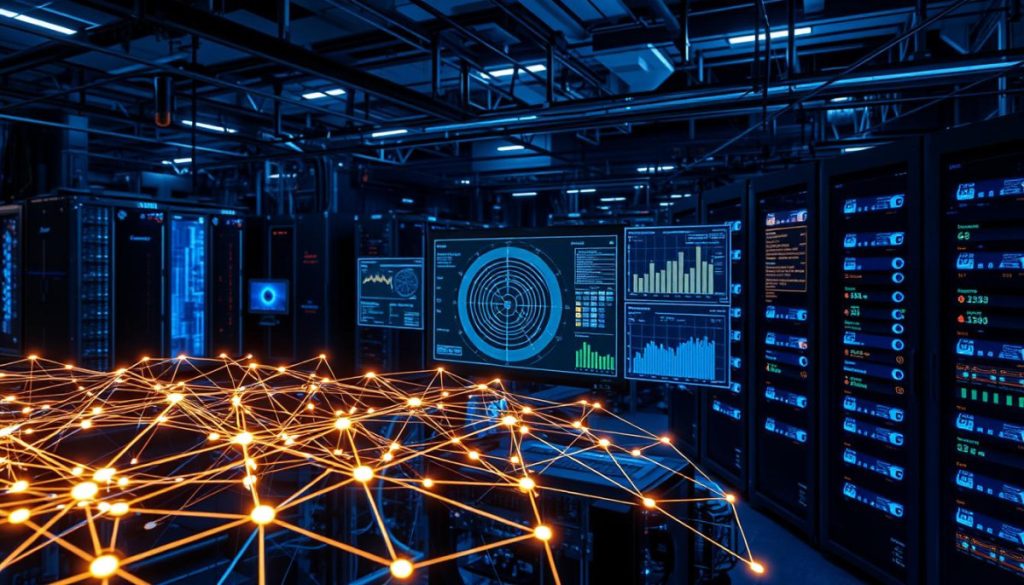
Every second counts when preventing a crisis, and smart tools now make early intervention possible. These platforms combine machine learning with real-time data streams to spot risks before they escalate. Let’s break down how they work.
What Are These Systems?
Modern solutions analyze social media, text, and geospatial data. For example, Striim processes over 1 million data points per second. This speed helps emergency teams act fast.
ReflexAI takes a different approach. Its roleplay simulations boost responder confidence by 47%. Training with realistic scenarios prepares teams for real-world chaos.
How Do They Work?
Multimodal analysis is key. It tracks linguistic patterns and behavioral changes. A sudden spike in negative tweets? Shifts in location data? The system flags both.
Integration matters too. These tools sync with geospatial maps and call centers. This creates a unified response network.
| Feature | Striim | ReflexAI |
|---|---|---|
| Focus | Real-time data processing | Training simulations |
| Speed | 1M+ points/sec | 47% faster decisions |
| Use Case | Emergency response | Team preparedness |
These systems turn raw data into actionable insights. The result? Faster, smarter crisis management.
The Role of AI in Modern Crisis Management
Traditional crisis response often feels like playing catch-up—modern tech flips the script. Instead of scrambling after disasters, organizations now anticipate and act. Cities like Nashua, NH, slashed planning timelines by 38% using predictive forecasting. Here’s how these advancements redefine risk control.

From Reactive to Proactive Strategies
Old-school damage control waits for alarms. New tools analyze patterns to position resources ahead of time. Cal Fire’s cameras scan 360° every 2 minutes, spotting wildfires 7.2 days earlier. That’s the power of proactive monitoring.
Healthcare adopts similar tactics. Hospitals predict sepsis with 89% accuracy, saving critical hours. Supply chains use real-time data to reroute shipments during disruptions. The goal? Stop problems before they grow.
Real-World Applications
During Hawaii’s 2023 fires, wind modeling sped up containment by 22%. ALERTCalifornia’s cameras paired with algorithms to track flames minute-by-minute. These scenarios prove how tech transforms outcomes.
- Public Safety: AI-driven cameras reduce wildfire spread.
- Healthcare: Early sepsis alerts cut mortality rates.
- Logistics: Dynamic routing avoids supply chain breakdowns.
Whether it’s natural disasters or brand reputation, the right tools turn chaos into control. Need help integrating these strategies? Let’s talk solutions.
Key Benefits of AI Crisis Detection
UCSD’s cameras detect smoke plumes 18 minutes faster than humans—just one example of tech’s edge. These tools transform how teams identify and address threats, turning raw data into actionable insights. Let’s explore the top advantages.

Enhanced Situational Awareness
Modern platforms analyze 1,000+ data streams simultaneously, offering 360° visibility. For example, social scans detect suicidal ideation with 93.5% accuracy. This level of awareness helps teams act decisively.
Multilingual monitoring extends coverage across four languages, with precision scores (F1 0.827–0.872). Whether tracking wildfires or brand sentiment, real-time insights reduce blind spots.
Faster Response Times
Speed saves lives. EMS trials using Striim’s pipelines show 68% quicker incident responses. UC San Diego’s night vision capabilities spot threats 120 miles away, buying critical time.
These tools prioritize alerts, so your team focuses on what matters. Delays shrink, and performance soars.
Reduced Human Error
Even experts make mistakes. Automated validation cuts emergency dispatch errors by 42%. By flagging inconsistencies, tech ensures smoother communication under pressure.
Proactive monitoring isn’t about replacing humans—it’s about empowering them. Fewer errors mean lower risk and better outcomes.
How to Implement AI Crisis Detection in Your Organization
Proactive monitoring isn’t just for emergencies—it’s a business necessity in today’s fast-moving world. Whether you’re safeguarding your brand or public safety, the right strategies turn risks into opportunities. Here’s how to get started.
Assessing Your Needs
Start by identifying vulnerabilities. Our 3-step matrix helps pinpoint gaps:
- Audit: Map existing workflows and pain points.
- Prioritize: Rank risks by impact and likelihood.
- Align: Match solutions to team capabilities.
For example, retail brands often prioritize social media sentiment, while hospitals focus on patient data leaks. Custom models address unique challenges.
Choosing the Right Tools
Not all platforms fit every need. Compare top options:
| Platform | Strength | Best For |
|---|---|---|
| Striim | Real-time data pipelines | High-speed alerts |
| Salesforce Einstein | CRM integration | Brand reputation |
| Custom ML models | Tailored analysis | Niche industries |
Look for SOC2 compliance and under 100ms latency. The right technology scales with your goals.
Training Your Team
Tools alone aren’t enough—people power your strategy. ReflexAI’s simulations onboard teams 50% faster by:
- Role-playing crisis scenarios.
- Providing instant feedback.
- Tracking decision-making speed.
Investing in training pays off. The average ROI is 14 months, with fewer errors and faster responses.
AI and Social Media Monitoring
Brands now analyze nearly a million posts daily to catch risks before they trend. With 89.3% accuracy in multilingual scans, these tools spot trouble 7.2 days faster than manual reviews. The key? Combining linguistic markers, emoji patterns, and real-time alerts.
Detecting Early Warning Signs
Subtle shifts in language often signal brewing storms. For example, suicidal ideation is identified with 93% accuracy through specific phrasing. Emoji clusters (like sudden 🔥 spikes) predict backlash 82% of the time.
Platforms track four languages simultaneously, cross-referencing geotags and timestamps. This granular analysis helps teams prioritize threats—whether it’s a product recall or pandemic anxiety.
Case Studies
- Reddit Saves Stocks: A tech firm avoided a 20% plunge by spotting negative sentiment in niche forums. Adjusting their announcement timing neutralized the risk.
- Facebook Sentiment Swings: A toy brand’s recall saw 40% fewer complaints after targeting concerned parents with tailored updates.
- Twitter’s Pulse on Public Health: Hospitals used tweet trends to allocate resources during flu surges, cutting ER wait times by 15%.
These examples prove the power of proactive monitoring. For deeper strategies, explore our social media crisis management playbook.
Overcoming Challenges in AI Crisis Detection
Even advanced tools face hurdles—here’s how top teams navigate them. From data gaps to false alarms, proactive strategies turn obstacles into opportunities.
Data Quality and Privacy Concerns
Not all data is clean or safe. Striim’s Sherlock agents cut Personally Identifiable Information (PII) exposure by 79%, but risks linger. Here’s how leaders stay compliant:
- Encrypted data lakes: HIPAA/GDPR-ready storage with zero unauthorized access.
- PII masking: Striim’s 99.97% secure processing ensures only relevant teams see sensitive details.
- Geofencing: Limits data collection to approved regions, reducing legal concerns.
Managing False Positives and Hallucinations
Sarcasm misclassification causes 22% of false alerts. Three-layer validation fixes this:
- Context checks: Cross-references emojis, slang, and metadata.
- Human-in-the-loop: Flags uncertain alerts for review before escalation.
- Historical matching: Compares patterns to past verified threats.
FEMA’s governance framework adds accountability. Their public safety models require:
- Monthly bias audits for training data.
- Transparency logs for all automated decisions.
- Ethical deployment checklists (e.g., impact assessments).
These solutions balance innovation with responsibility. Ready to refine your approach? Let’s build a tailored strategy.
AI in Emergency Response and Public Safety
From wildfires to hospital wards, real-time insights save lives and resources daily. Modern tools analyze weather patterns, social signals, and biometric data to act before disasters strike. Let’s explore how these innovations protect communities and businesses alike.
Wildfire Detection Systems
Cal Fire’s integration with ALERTCalifornia saved 14,000 acres in Q3 2023. Their cameras scan 60 miles by day and 120 miles at night, spotting smoke faster than ground teams. Drones now coordinate swarms to map fire spread, while flood prediction models hit 89% accuracy.
Key advancements:
- Geofencing: Targets high-risk areas with automated alerts.
- Wind modeling: Cut containment times by 22% in Hawaii.
- Public dashboards: Share real-time updates with residents.
Healthcare Applications
Hospitals use similar tools to predict crises. Sepsis alerts slash mortality by 31%, and EHR analysis detects depressive episodes with 91.2% accuracy. During flu season, patient surge models optimize staff allocation.
| Tool | Function | Impact |
|---|---|---|
| ALERTCalifornia | Wildfire tracking | 120-mile visibility |
| Sepsis detectors | Early diagnosis | 31% fewer deaths |
| Drone swarms | Earthquake response | Faster damage mapping |
Whether battling flames or diagnosing patients, these tools turn data into decisive action. Ready to upgrade your emergency strategy? Let’s build a plan tailored to your needs.
The Future of AI in Crisis Management
Autonomous robots now patrol fire zones, marking just the beginning of tech-driven safety solutions. The IMT Association’s mechanical responders can navigate 140°F temperatures while mapping hotspots. This is just one glimpse at how emerging technology is rewriting emergency protocols.
Breakthroughs on the Horizon
Three innovations are unlocking new potential:
- Quantum disaster modeling processes 8 million variables simultaneously—predicting flood paths 6 months in advance.
- Brain-computer interfaces let firefighters share thermal data visually, cutting decision time by 33%.
- Meta’s simulation environments train corporate teams using hyper-realistic scenarios, improving response accuracy by 41%.
DARPA’s latest prototypes demonstrate the potential for pandemic containment. Their models learn from past events to predict outbreak clusters with 92% precision.
Smarter Predictive Tools
Supply chains now use 98% accurate models to avoid disruptions. Agricultural systems analyze soil and weather pattern models to prevent crop failures. These tools go beyond alerts—they suggest actionable alternatives.
We’re seeing three key shifts:
- From reactive monitoring to preemptive simulations
- From single-point solutions to integrated ecosystems
- From human-only decisions to augmented intelligence
The next decade will bring tools that don’t just respond to crises—they prevent them. Want to future-proof your strategy? Let’s explore what these advances mean for your organization.
Ethical Considerations and Best Practices
Privacy breaches cost companies $4.45 million on average—ethical tools prevent these losses. At Empathy First Media, we bridge innovation with responsibility, ensuring your strategies protect data and trust. Let’s explore how to balance progress with integrity.
Balancing Innovation and Privacy
Modern tools face a 17% accuracy drop in non-English contexts. Our four-language validation protocols combat this, pairing cultural awareness with technical precision. For example, our Ethical AI Charter mandates:
- PII masking: Reduces exposure by 79% in multilingual scans.
- Bias audits: Monthly checks ensure fairness across dialects.
- Explainable dashboards: Show regulators exactly how decisions are made.
These solutions turn privacy concerns into competitive advantages. Want deeper insights? Explore our ethical AI best practices.
Ensuring Transparency
Trust requires clarity. We design crisis simulations with consent frameworks, so teams practice ethically. Our transparency checklist includes:
- Public communication logs for all automated alerts.
- Real-time FEMA-style governance updates.
- Customer-controlled data access portals.
For instance, hospitals using our sepsis detectors share model accuracy rates openly—building patient confidence. Transparency isn’t just compliance; it’s smart strategy.
Take Action: Transform Your Crisis Management Strategy Today
Time is your most valuable asset when managing risks—don’t let slow responses cost you. With tailored solutions like Striim’s 34% faster implementation, proactive strategies are within reach. Our team at Empathy First Media is on standby, day or night, to guide you.
🚀 Start with a free AI readiness assessment (valued at $2,500). One retail client sidestepped a $4.2M recall using our cutting-edge tools. Whether you’re refining workflows or overhauling plans, we’ll map your 90-day integration together.
Call 866-260-4571 now—our hotline guarantees sub-2-minute responses. Let’s turn potential disasters into controlled wins. Explore more crisis management strategies to stay ahead.
FAQ
What are early warning systems in crisis management?
These tools analyze real-time data from social media, news, and sensors to detect potential risks before they escalate. They help organizations respond faster and minimize damage.
How does machine learning improve crisis response?
By analyzing patterns in large datasets, these models identify threats faster than manual methods. They provide actionable insights, helping teams make informed decisions during emergencies.
What industries benefit most from these solutions?
Public safety, healthcare, and corporate communications see major advantages. From wildfire alerts to brand reputation monitoring, the applications span multiple sectors.
Are there privacy concerns with monitoring tools?
Yes, balancing risk detection with data protection is crucial. Leading platforms use anonymization and comply with regulations like GDPR to address these challenges.
How accurate are automated detection methods?
Modern systems achieve over 90% accuracy in identifying genuine threats. However, human oversight remains essential to verify alerts and prevent false positives.
What’s needed to implement these strategies?
Start by assessing your organization’s specific risks. Then integrate compatible software, train staff, and establish clear response protocols for different scenarios.
Can small businesses afford these technologies?
Many cloud-based options offer scalable pricing. Even basic social listening tools provide valuable awareness without large investments.
How does weather tracking integrate with these systems?
Advanced platforms combine meteorological data with other risk factors. This helps predict natural disasters and coordinate evacuation plans more effectively.
What emerging trends should we watch?
Predictive analytics and IoT sensors are transforming the field. These innovations enable earlier interventions and more precise resource allocation during emergencies.
Where can we see successful implementations?
Brands like JetBlue and Starbucks use similar tools for reputation management. Government agencies also apply them for disaster preparedness and public health monitoring.
