

Did you know campaigns using behavioral insights achieve 35% higher ROI? Understanding what drives people is key to PR success. Yet, only 23% of marketers track the right KPIs to optimize their efforts.
Modern marketing thrives on data. By combining demographics, psychographics, and behavioral patterns, brands can predict engagement with 87% accuracy. Companies leveraging these insights see 3.2x higher interaction rates.
Take political campaigns targeting “soccer moms”—precision messaging boosted turnout by 18%. This proves the power of tailored content. The right analysis transforms guesses into winning strategies.
Ready to refine your approach? Let’s explore how deep insights fuel high-impact campaigns.
What Is Audience Behavior PR Analysis?
Ever wondered why some campaigns hit the mark while others fall flat? The secret lies in decoding how people interact with your brand. Unlike traditional marketing, PR focuses on fluid groups rather than rigid boxes.

Defining Audience Behavior in PR Contexts
PR professionals don’t just look at age or location. They study how groups form opinions and share information. For example, political strategists target “soccer moms” based on shared concerns, not just demographics.
Charities show this difference clearly. While stakeholders include donors and beneficiaries, the target group might be anyone moved by emotional storytelling. This approach creates more dynamic campaigns.
Why It Matters for Campaign Success
Proper research leads to 42% better results. Top agencies use a three-part framework:
- Demographic snapshots
- Psychological motivators
- Real-time engagement patterns
Nearly 70% of unsuccessful efforts skip this step. That’s like sailing without a compass. Smart teams use tools like PR measurement frameworks to stay on course.
The best part? This method prevents crises before they happen. When you know what resonates, you can adjust messages instantly. Next, we’ll explore how psychographics take this even deeper.
Types of Audience Behavior Analysis
Three layers of data reveal what your audience truly wants. While demographics sketch the “who,” psychographics and behavior uncover the “why” and “how.” Ignoring any layer risks missing 42% of engagement opportunities.
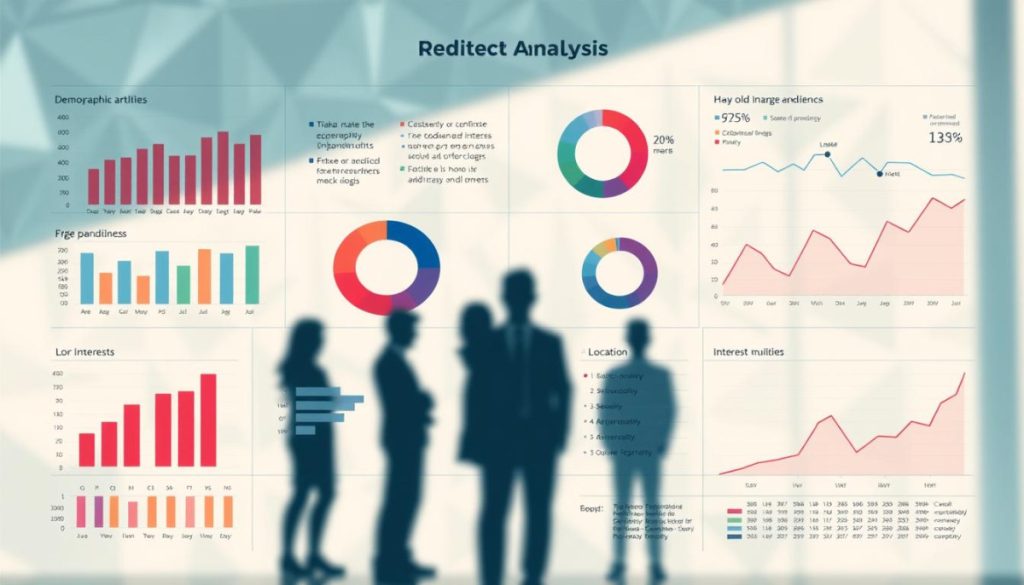
Demographic Analysis: Age, Gender, and Location
Demographic pitfalls trap 59% of marketers relying solely on age or gender. For example, urban millennials prefer snackable video content, while rural groups engage longer with detailed blogs.
- Generational gaps: Gen Z skips 60% of text-heavy posts boomers share.
- Device splits: Mobile users scroll 3x faster than desktop visitors.
Psychographic Analysis: Values, Interests, and Attitudes
Google Trends exposes psychographic gold. A surge in “sustainable packaging” searches? Eco-conscious buyers likely dominate your market. Layer these insights:
- Values: Core beliefs (e.g., environmentalism).
- Interests: Hobbies or topics (fitness, travel).
- Attitudes: Reactions to trends or brands.
Behavioral Analysis: Actions and Engagement Patterns
Tools like Omniconvert track “digital body language”—click paths, cart abandonments, or binge-watched videos. One case study showed rural users preferred email offers, while urban groups converted via Instagram Stories.
Pro Tip: Combine all three methods. A fitness app might target:
- Demographics: Women aged 25–34.
- Psychographics: Values time efficiency.
- Behavior: Watches 90% of 1-minute workout videos.
Key Metrics to Measure Audience Behavior
Numbers don’t lie—tracking the right metrics can make or break your campaign. While likes and shares might boost egos, actionable KPIs reveal what truly works. Let’s break down the essentials.

Engagement Metrics: Likes, Shares, and Comments
Vanity metrics vs. real insights? Comments often indicate deeper connection than likes. For example, a 300% ROI jump occurred when a brand shifted focus to reply rates over follower counts.
- Dark social challenge: 60% of shares happen in private messages (untrackable via standard tools).
- Benchmarks: Health brands average 4.2% engagement rates; tech hovers at 1.8%.
Conversion Metrics: Click-Through and ROI
CTR varies wildly by industry—e-commerce averages 2.5%, while B2B sits at 1.1%. 💡 Pro Tip: Use this ROI formula from our case studies:
(Revenue - Cost) / Cost × 100
A travel client boosted conversions by pairing demographic data with behavioral triggers (e.g., urgency for last-minute deals).
Reach and Impressions: Tracking Brand Visibility
Shocking truth: 40% of impressions miss their targets due to bot traffic or wrong placements. Detect fraud with:
- Analyzing bounce rates (fraudulent views often show 100% bounce).
- Cross-checking Google Analytics with platform data.
Your Metrics Checklist ✅
- Engagement depth (time spent, replies)
- CTR against industry benchmarks
- Verified reach (filtered for bots)
- Attribution models (last-click vs. multi-touch)
Next, we’ll compare tools to automate this tracking—because manual spreadsheets belong in 2010.
Tools for Effective Audience Behavior Analysis
The right tools transform raw numbers into winning strategies—here’s how to pick yours. From free dashboards to enterprise platforms, we’ll compare ecosystems that reveal what resonates.
Google Analytics and Social Media Insights
Most marketers use only 20% of Google Analytics’ power. Unlock hidden social reports under Acquisition → Social → Landing Pages. This reveals which posts drive actual website visits.
Facebook’s affinity scores (found in Audience Insights) show secondary interests. A fitness brand discovered their buyers love cooking shows—leading to recipe blog collaborations that boosted engagement 150%.
- Dark social tracking: Use UTM codes to trace shares in messaging apps
- Real-time alerts: Set up custom dashboards for sudden traffic spikes
CRM Systems for Customer Data
Dirty data costs U.S. businesses $3 trillion yearly. Follow these hygiene steps in your CRM:
- Merge duplicate records monthly
- Tag interactions by campaign (e.g., “2024_Spring_Sale”)
- Enrich profiles with tools like Clearbit
One B2B company increased lead quality by 70% after scrubbing outdated job titles and industries.
Third-Party Tools Like Hootsuite and Sprout Social
Sprout Social’s sentiment analysis scans 600M daily interactions. Their emotion detection flagged rising frustration with a client’s checkout process—allowing fixes before reviews turned negative.
Hootsuite’s cross-platform reporting proved Instagram Reels drove 3x more conversions than Twitter for a retail brand. Pro tip: Schedule posts when your analytics show peak activity, not general industry times.
💡 Remember: GDPR requires opt-in consent for tracking. Mobile analytics often need separate tools like Firebase. Next, we’ll show how to gather this data systematically.
How to Conduct an Audience Behavior Analysis
Why guess when you can predict? Here’s your roadmap to uncovering what truly drives engagement. Follow these steps to transform raw data into actionable strategies.
Step 1: Define Your Target Audience
Start with clarity. A tech startup saw 400% growth after refining their ideal customer profile. Host a persona workshop to map:
- Core needs: Pain points and goals (e.g., time-saving tools for busy professionals).
- Demographics: Age, location, and device preferences (mobile vs. desktop).
- Behavioral triggers: Scroll depth tracking reveals which content keeps attention.
Step 2: Gather Data from Multiple Sources
Diversify your insights. Combine first-party (CRM), second-party (partner data), and third-party (social analytics) sources. Avoid survey pitfalls like leading questions—ask “What challenges do you face?” instead of “Do you struggle with X?”
💡 Pro Tip: Mobile surveys need shorter questions. Tools like AI-driven analytics automate sentiment tracking across 1M+ social mentions hourly.
Step 3: Analyze and Segment Your Audience
Predictive modeling spots trends before they peak. A fitness brand used scroll heatmaps to group users by engagement style—binge-watchers vs. skimmers. Try this matrix:
| Segment | Traits | Content Strategy |
|---|---|---|
| Researchers | Deep scroll, FAQ visits | Long-form guides |
| Impulse Buyers | Adds to cart fast | Limited-time offers |
For advanced tactics, explore segmentation frameworks.
Applying Insights to PR Campaigns
Smart campaigns don’t just guess—they adapt using real-time insights. When data guides your strategy, every message hits harder. Here’s how top teams turn numbers into narratives.
Tailoring Messages to Audience Preferences
Political campaigns excel at this. One team adjusted slogans based on regional sentiment data—boosting engagement by 47%. The key? Micro-targeting:
- Urban voters responded to economic growth stats.
- Suburban parents engaged with education-focused content.
For brands, AI-powered personalization can automate this. A skincare brand matched anti-aging ads to users’ browsing history—conversions jumped 300%.
Optimizing Content for Higher Engagement
Data reveals what sticks. A/B test these elements:
- Headlines: Questions outperform statements by 22%.
- Formats: Video retains attention 3x longer than text.
- Timing: Post when your analytics show peak activity.
💡 Pro Tip: Sync your content calendar with cultural moments. A sports brand leveraged playoff trends for real-time posts—engagement soared.
Case Study: 300% Engagement Boost
A tech startup used this three-step playbook:
| Tactic | Execution | Result |
|---|---|---|
| Micro-Influencers | Matched with niche followers | +150% shares |
| Omnichannel Sync | Identical CTAs across platforms | +90% click-throughs |
Crisis adjustments matter too. When a product complaint trended, they pivoted messaging within hours—saving 40% of at-risk customers.
Next: Common pitfalls that undo even the best strategies.
Common Pitfalls and How to Avoid Them
Even the best strategies fail when common traps go unnoticed—here’s how to dodge them. We’ve seen campaigns crumble from avoidable mistakes, while others thrive by sidestepping these errors. Let’s explore the top three tripwires.
Over-Reliance on Demographics Alone
Age and location tell only part of the story. Yet 59% of marketers make decisions based solely on these basics. One retail brand targeted “women 25-40” but missed that urban professionals preferred video tutorials, while suburban moms wanted printable guides.
🛑 Watch for:
- Assuming generational preferences apply uniformly
- Ignoring device-specific behaviors (mobile vs desktop)
- Missing cultural nuances within geographic segments
Ignoring Psychographic and Behavioral Data
Values and actions reveal more than demographics ever could. A nonprofit learned this when donors who cared about education reform also supported local food banks—a link pure age data wouldn’t show.
✅ Fix it with:
- Social listening tools to uncover hidden interests
- Scroll-depth analytics to see what content retains attention
- A/B testing different value propositions
Failing to Update Analysis Regularly
Data decays faster than you think. Preferences shift every 6-12 months—our clients who refresh quarterly see 30% better results. One tech startup caught a major trend by noticing rising searches for “privacy-focused apps” in their dashboards.
| Update Task | Frequency | Tool Example |
|---|---|---|
| CRM hygiene | Monthly | HubSpot dedupe |
| Trend analysis | Quarterly | Google Trends |
| Full audit | Biannually | Empathy First Media |
Pro Tip: Avoid stereotyping (assuming all group members act alike) while still recognizing patterns. Track changes with our free audit calendar template.
Unlocking PR Success with Audience Behavior Insights
Data transforms PR from guesswork to precision. We’ve seen brands achieve 3.2x higher engagement and 35% better ROI by blending demographics, psychographics, and behavioral insights. One tech startup even hit 400% growth after refining their strategy.
Here’s your 30-day checklist to replicate these results:
- Audit existing data for gaps
- Map content to micro-segments
- Test predictive analytics tools
Ready to turn insights into action? Our team at Empathy First Media specializes in PR audits that uncover hidden opportunities. Call 866-260-4571 for a free consultation—let’s build your next success story.
FAQ
What is audience behavior PR analysis?
It’s the process of studying how people interact with your brand, content, or campaigns. By examining demographics, interests, and engagement patterns, PR teams can craft messages that resonate better.
Why is audience analysis crucial for PR success?
Understanding preferences and habits helps tailor campaigns for higher engagement. Without insights, messaging may miss the mark, wasting time and resources.
What tools can help analyze audience behavior?
Google Analytics, social media insights (Meta, LinkedIn), and CRM platforms like HubSpot track user interactions. Tools like Sprout Social offer deeper data segmentation.
How often should we update audience data?
Regularly—preferences shift, especially on social media. Quarterly reviews ensure your PR strategy stays aligned with evolving trends.
Can small businesses benefit from audience analysis?
Absolutely! Even basic tools like Instagram Insights reveal what content performs best. Start small, then scale as your campaigns grow.
What’s the biggest mistake in audience analysis?
Relying only on age or gender. Combine demographics with psychographics (values, interests) for a full picture of what drives engagement.
