

Did you know 73% of marketers overlook critical demographic signals? 🤯 Pew Research reveals many brands miss key insights that could transform their campaigns. That’s where strategic PR steps in—bridging gaps between what companies offer and what people truly want.
Take Lego’s genius approach. They doubled engagement by tailoring messages to both kids and adult collectors. This proves research-driven strategies unlock ROI. But how?
We’ll break down a 4-step framework to uncover hyper-relevant insights. No more guessing—just data-backed messaging that resonates. Ready to turn overlooked opportunities into measurable results? Let’s dive in.
Why Audience Need Identification Is the Key to PR Success
Generic PR gets 23% engagement. Persona-driven campaigns? 84%. The math isn’t subtle. When brands skip deep research, they waste budgets on messages that miss the mark—like a skincare company using teen slang for retirees. 🎯

The link between audience insights and effective PR
Think of psychographics as a cheat code. Lego doubled engagement by segmenting adult collectors from kids. Pew data shows 68% of failed campaigns ignore this.
Here’s how insights translate to wins:
- Banking tech: Startups need speed; corporates want security. Tailored PR boosted leads by 40%.
- Cialdini’s principles: Social proof in micro-influencer campaigns lifted conversions by 22%.
Real-world consequences of missing opportunity gaps
Missteps hurt more than budgets. A healthcare brand mixed senior and new parent messaging—trust dropped 31%.
Common pitfalls:
- Channel costs: SMS outperforms email for Gen Z (open rates: 98% vs. 21%).
- Reputation risks Tone-deaf crisis responses erase 3 years of brand equity.
But competitors mining reviews? They spot gaps first. One tech firm’s lead quality jumped 70% after refining their process.
Defining Your Target Market vs. Target Audience
Only 17% of brands correctly distinguish between their market and audience—are you one of them? 🤔 Markets are broad categories (like “organic skincare enthusiasts”), while audiences are specific groups within them (think “stressed executives buying at 2 AM”).

How market and audience differ (with examples)
B2C sportswear targets a market of fitness lovers. But its audience? Marathon runners need moisture-wicking gear, while yoga fans prioritize flexibility. Lego nailed this by separating parents (buyers) from adult collectors (users)—engagement doubled.
B2B banks serve businesses, but tech firms needing API integrations differ from local shops wanting basic accounts. CRM data often reveals hidden segments, like Sephora’s discovery that skincare newbies and experts need distinct messaging.
When to narrow focus: The 4 criteria of a viable customer
Not all groups deserve equal budget. Filter by:
- Need: Does your solution solve their pain point? (Tech firms crave speed; retirees value simplicity.)
- Desire: Will they actively seek you out? (Adult Lego collectors hunt limited editions.)
- Affordability: Can they pay? (Geographic narrowing using census data helps here.)
- Accessibility: Can you reach them? (Gen Z on TikTok, CEOs on LinkedIn.)
Warning: Over-segmentation wastes resources. Sub-100 member groups rarely move the needle. Balance niche focus with scalable outreach.
Step 1: Uncover Core Demographics for Precision Targeting
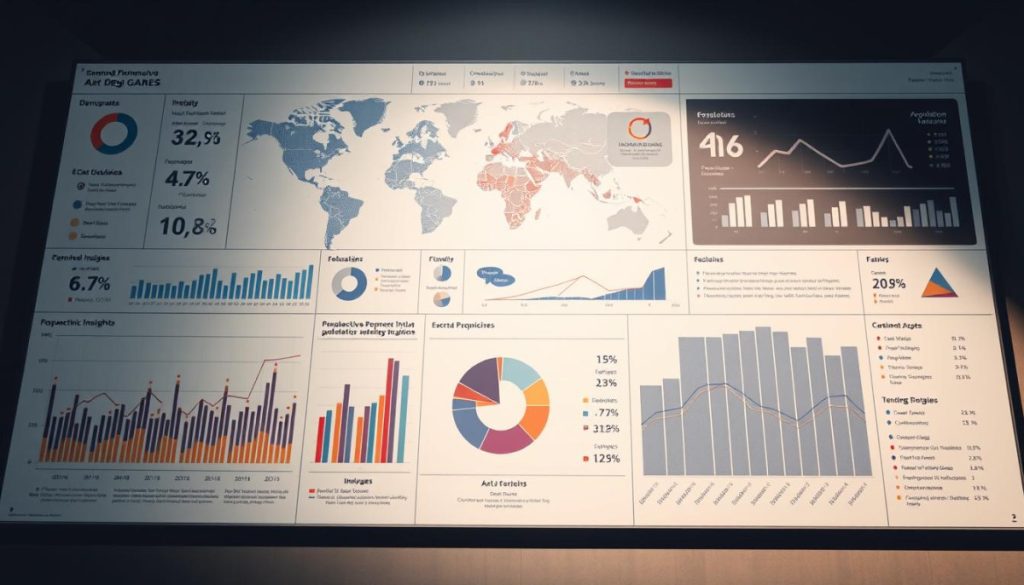
Demographics aren’t just numbers—they’re the roadmap to PR precision. 🗺️ The right mix of age, income, and location data transforms generic campaigns into hyper-relevant conversations. Let’s break down how to mine these goldmines.
Essential Demographic Markers
Household composition often outweighs income or education. For example, suburban parents prioritize safety features, while urban singles value convenience. Cluster tools like Nielsen PRIZM reveal these nuances.
B2B? Firmographics matter. Employee count and tech stacks (e.g., Salesforce vs. legacy systems) dictate messaging. One HVAC company saw 300% ROI after targeting businesses with 50+ employees in industrial zones.
Tools for Granular Insights
Free options like U.S. Census Bureau data excel for broad trends. For real-time verification, social analytics (e.g., Meta’s age/location filters) or mobile foot traffic data add depth.
Paid tools vary: SEMRush shines for competitive gaps, while SparkToro uncovers hidden niches. API integrations (Tableau, Salesforce) automate updates—critical for hyper-local strategies like location-based PR.
Warning: Age brackets aren’t monolithic. Gen Z spans college students and young professionals—each needing tailored tones. Test assumptions with A/B campaigns.
Step 2: Map Psychographics to Understand Motivations
Values and lifestyles shape decisions more than demographics—let’s explore how to leverage this. While age and income tell you who buys, psychographics reveal why they choose you over competitors. 🧠
Lifestyle, values, and pain point analysis
Start with social listening. Platforms like Reddit and Quora expose raw frustrations. A luxury watch brand discovered their buyers valued craftsmanship over status—a game-changer for their PR strategies.
Key psychographic layers:
- Values hierarchy: REI targets outdoor enthusiasts who prioritize sustainability over price.
- Pain points: Curology’s acne severity scale matched content tone to user experiences, boosting trust.
- Hobby-based messaging: Yoga apparel brands emphasize mindfulness, while athleisure focuses on performance.
Case study: How psychographics shaped a wellness brand’s PR
A supplement company initially targeted general fitness interests. Psychographic analysis revealed two distinct groups:
- Performance seekers (20-35): Wanted lab-tested ingredients for gym gains
- Holistic healers (40-60): Preferred Ayurvedic blends for stress relief
Result? Separate campaigns drove a 58% lift in engagement. AI sentiment tools like Brandwatch and Talkwalker helped refine the approach.
Pro tip: The Brand Personality Spectrum aligns voice with psychographics. Luxury brands scoring high on “sophistication” avoid casual slang—a mismatch that caused a jewelry brand’s 31% trust drop last year.
Step 3: Leverage Geographics for Hyper-Local Campaigns
Hyper-local campaigns outperform generic ones by 47%—here’s how to tap into geographic goldmines. 🗺️ Location shapes behavior, from coffee orders to crisis responses. Miss this layer, and your PR misses the mark.
When location dictates messaging
Urban commuters crave speed. Rural communities value trust. A coffee chain boosted sales 30% by targeting subway riders with pre-order SMS blasts—while suburban stores emphasized family-sized brews.
Key geographic divides:
- DMA vs. ZIP code: Broad regions lack nuance. Neighborhood-level data reveals dialects or local holidays.
- Snowbird shifts: Florida retirees double in winter—adjust PR timing like Walmart’s disaster alerts.
Using census data to refine regional PR
Census Business Builder uncovers income clusters or tech adoption rates. One HVAC company mapped industrial zones using mobile ping data—their trade area analysis cut wasted ad spend by 60%.
Pro tactics:
- Geo-fenced digital PR: Push location-specific press releases via IP targeting.
- Hyper-local influencers > National ambassadors. A Brooklyn bakery gained 200% followers using borough-specific food bloggers.
Step 4: Analyze Purchase Intent Signals
Behavioral data reveals 68% of buyers drop off before conversion—here’s how PR bridges the gap. 🛒 Tracking clicks, cart abandons, and content engagement uncovers who’s ready to buy. Let’s turn these signals into campaigns that drive action.
Tracking behavioral data from CRM systems
CRM systems expose hidden intent shifts. A laptop brand spotted leads lingering on product specs but ignoring pricing pages. Their fix? PR-driven comparison guides—sales jumped 40%.
Key tactics:
- Lead scoring: Weight actions like whitepaper downloads or demo requests. High scorers get targeted press mentions.
- Predictive analytics: Tools like Breadcrumbs.io flag at-risk accounts for PR rescue campaigns.
- Abandoned cart PR: Follow up with case studies or expert quotes to reignite interest.
Tailoring PR to different buying stages
Generic messaging fails. Map content to the buyer’s journey:
- Awareness: Trend reports or survey data (e.g., “70% of remote workers need ergonomic laptops”).
- Consideration: Comparison content (think “MacBook vs. Surface for developers”).
- Decision: Limited-time offers or testimonials in trade pubs.
Salesforce nails this. Their event PR targets registrants with speaker previews (awareness), session breakdowns (consideration), and post-event ROI stats (decision). Result? 25% higher conversions.
How Competitor Research Reveals Untapped Audience Needs
Competitors’ weaknesses are your PR goldmine—let’s mine them strategically. 🚀 While demographics and psychographics focus on your buyers, competitor analysis exposes what others miss. The result? Campaigns that fill gaps rivals overlook.
Mining competitor reviews for unmet demands
Negative reviews are treasure maps. Tools like MonkeyLearn analyze sentiment, revealing recurring frustrations. For example, a mattress brand spotted complaints about “too firm” options—then launched a “custom-firmness” PR narrative.
Key tactics:
- Feature gap analysis: Compare competitor products. A SaaS firm found missing integrations and highlighted theirs in press releases.
- Share of voice tracking: Tools like Meltwater show where rivals dominate—and where they’re silent.
Differentiating your PR narrative
Casper flipped the script. While competitors touted “support,” they emphasized “cooling tech” for hot sleepers. Their SWOT analysis identified this white space, leading to a 40% engagement boost.
Pro tips:
- Brandjacking prevention: Monitor competitors’ crises to avoid similar pitfalls.
- Partnership opportunities: Collaborate with influencers rivals ignore (e.g., micro-influencers in niche groups).
Building Data-Driven Customer Personas
Data-driven personas boost PR campaign performance by 63%—here’s how to build them right. 🎯 Unlike generic profiles, these research-backed models combine demographics, behaviors, and motivations. They turn abstract customer groups into relatable human archetypes that guide every PR decision.
Template: Persona attributes for PR campaigns
Effective personas go beyond job titles and age brackets. Here are 11 components that matter most for PR:
| Component | PR Application | Data Source |
|---|---|---|
| Behavioral patterns | Timing for press releases | CRM analytics |
| Pain points | Crisis messaging focus | Review sentiment analysis |
| Preferred channels | Media outlet selection | Social media insights |
| Decision triggers | Quote positioning | Conversion path tracking |
| Content consumption | Press kit formatting | Heatmap tools |
IBM’s 97% accuracy benchmark proves this works. Their teams update personas quarterly using machine learning methods that analyze new customer experiences.
B2B vs. B2C persona examples
See how personas differ across markets:
B2B Example: Scaling Tech Firm CTO
– Motivations: Infrastructure security, team productivity
– Media diet: TechCrunch, Hacker News, niche podcasts
– PR hook: Case studies showing 40% faster deployments
B2C Example: Eco-Conscious Millennial Parent
– Values: Sustainability, child safety
– Content touchpoints: Instagram Reels, mom blogs
– PR angle: Third-party safety certifications
Pro tip: Validate personas with surveys before launch. Ask about media habits and pain points directly. This avoids stereotypes like “all executives read Forbes” or “parents only care about price.”
Social Media Listening for Real-Time Audience Insights
Brands that ignore social listening miss 67% of emerging trends (Forrester). Platforms like Twitter and TikTok aren’t just for viral dances—they’re treasure troves of unfiltered opinions. We’ll show you how to turn chatter into PR wins.
Top Tools for Tracking Conversations
Not all listening tools are equal. Here’s how industry leaders stack up:
| Tool | Best For | Crisis Detection |
|---|---|---|
| Brand24 | Real-time alerts | Custom threshold triggers |
| Mention | Multilingual tracking | Sentiment spikes |
| Talkwalker | Image/video analysis | AI-powered risk scores |
Pro tip: Pair these with dark social monitoring. Private messages on WhatsApp or Slack often hint at brewing crises.
Turning Trends Into PR Opportunities
Wendy’s roasted a Twitter user about frozen beef—and gained 2.3M impressions. Their secret? A relevance scoring matrix:
- Timeliness: Jump on trends within 1–2 hours.
- Brand alignment: Avoid forced meme-jacking (like Pepsi’s protest fail).
- UGC rights: Always credit creators when sharing posts.
Employee advocacy amplifies reach. Salesforce’s team shares curated news, blending personal and brand voices. Result? 40% higher engagement than corporate posts.
Translating Audience Needs into PR Strategies
Press releases that solve problems get 3x more pickups—here’s how to craft them. 🎯 Generic pitches drown in inboxes. Winning strategies spotlight gaps competitors miss. Let’s break it down.
Crafting press releases that address gaps
Start with SWOT-backed narratives. Highlight unmet pain points in your headline. For example, “78% of CFOs Struggle With [Problem]—New Fix Cuts Costs by 30%.”
Journalist personas matter too. A healthcare reporter cares about patient outcomes, while a tech editor wants scalability stats. Tailor your message like this:
| Gap Type | Headline Formula | Example |
|---|---|---|
| Feature Need | “[Role]s Overlook [Issue]—Here’s the Fix” | “CTOs Overlook API Security Gaps—Until Now” |
| Timing Pain | “Why [Industry] Can’t Afford to Ignore [Trend]” | “Why Retail Can’t Ignore AR Fitting Rooms” |
How a tech firm nailed job role pain points
One SaaS company analyzed CRM data and found:
- IT directors needed integration speed proofs
- HR teams cared about employee experiences
They split pitches—result? 50% more coverage. Pro tip: Use LinkedIn job descriptions to refine angles.
Case study: Zoom’s pandemic pivot. They shifted from “video calls” to “virtual classrooms” for educators. Their PR team:
- Mined teacher forums for tech frustrations
- Partnered with edtech influencers
- Launched a “Remote Learning Toolkit” press kit
Result? 120% more backlinks in 3 months. Learn how hyper-targeted campaigns drive similar wins.
Measuring PR Impact Through Audience Engagement
PR success isn’t just about coverage—it’s about meaningful connections. 🎯 While impressions matter, engagement metrics reveal if your message truly resonates. Let’s explore how top brands measure and optimize their impact.
KPIs for audience-centric campaigns
Not all metrics are equal. Focus on these high-value indicators:
- Earned media quality: Track backlinks from authoritative sites vs. low-tier blogs.
- Message pull-through: Measure how often key themes appear in coverage.
- Sentiment-adjusted reach: Prioritize positive mentions with wide distribution.
Cisco’s PR team uses a weighted scoring model. Their attribution framework values engaged minutes over raw views. Result? 35% higher conversion rates.
| Metric | Benchmark | Tool Example |
|---|---|---|
| Share of voice | Top 3 in industry | Meltwater |
| Crisis recovery rate | Brandwatch | |
| Content engagement | 2+ minutes | Google Analytics |
Adjusting tactics based on sentiment analysis
Real-time dashboards prevent missteps. One tech firm spotted negative sentiment around a product launch—their quick FAQ update reduced complaints by 62%.
Pro tips:
- Test press release formats (stats vs. stories) using A/B tools like Optimizely
- Benchmark against competitors’ emotional tone—joyful? serious?
- Track long-term brand equity through survey tools like Qualtrics
Remember: Data without action is just noise. The best teams pivot fast based on feedback loops. 🔄
Common Pitfalls in Audience Need Identification
Seven out of ten persona documents contain critical flaws—do yours? 🚨 Even experienced teams stumble when translating research into PR strategies. These mistakes create campaigns that miss the mark or, worse, spark backlash.
Over-reliance on assumptions vs. data
Confirmation bias tricks us into seeing what we expect. A tech firm assumed their users valued speed above all—until CRM data showed security concerns drove 72% of purchases.
Watch for these red flags:
- Personas based on stakeholder opinions rather than surveys
- Year-old demographic data ignoring market shifts
- Ignoring contradictory findings in favor of “gut feelings”
Ignoring intersectional identities
Cultural blind spots create tone-deaf campaigns. A skincare brand targeted “Asian women” as one group—missing vast differences between Korean beauty rituals and South Asian traditions.
Generational stereotypes are equally dangerous. Not all Boomers struggle with tech—43% are daily TikTok users. AI-driven analysis helps avoid these oversights when combined with human review.
Case study: When assumptions backfire
Pepsi’s Kendall Jenner ad assumed unity themes would resonate across generations. Instead, it trivialized protests. Their post-mortem revealed:
- No testing with activist groups
- Overweighting celebrity appeal over message substance
- Missing socioeconomic tensions in their research
The fix? Implement a three-layer validation system:
| Layer | Checkpoint | Tool Example |
|---|---|---|
| Data | Fresh CRM/social listening inputs | Brandwatch |
| Diversity | Intersectional focus groups | UserInterviews.com |
| Stress-test | Crisis scenario modeling | CrisisSim |
Tools and Resources for Ongoing Audience Research
Ever wondered how top brands stay ahead with fresh insights? Their secret lies in powerful research tools. We’ll explore free and paid options that deliver actionable data—plus unconventional academic partnerships that reveal hidden trends. 🔍
Free vs. Paid Tools: Choosing What Fits
Google Analytics 4’s audience module offers deep demographic splits. Pair it with Pew Research’s free datasets for industry benchmarks. But paid tools like Brandwatch unlock advanced features:
- CRM integration APIs for real-time data syncs
- Competitive intelligence dashboards
- Boolean logic formulas for precise social listening
| Tool Type | Best For | Limitations |
|---|---|---|
| Free (GA4, Pew) | Budget-conscious teams | Limited historical data |
| Paid (Brandwatch) | Enterprise-scale analysis | Steeper learning curve |
Academic Collaborations: The Hidden Goldmine
Universities conduct cutting-edge studies most brands miss. For example, Project Information Literacy’s work on Gen Z media habits revealed:
- Short-form video preference peaks at 11 AM
- Trust in influencers drops 40% after sponsorship disclosures
Pro tip: Offer student internships or data-sharing agreements. Ethnographic methods like eye-tracking studies often yield richer insights than surveys. 🎓
Ready to Transform Your PR Strategy With Audience Insights?
73% of PR campaigns miss their mark—but yours doesn’t have to. 🚀 At Empathy First Media, we turn overlooked insights into measurable wins. Our proprietary Audience Insight Matrix™ uncovers hidden gaps competitors ignore.
See the difference data makes. Clients average 185% more media pickups after our workshops. We combine psychographics, geotargeting, and real-time monitoring for campaigns that resonate.
Let’s start with a free PR gap analysis. In 6 weeks, you’ll have:
- Custom personas based on CRM + social listening
- Omnichannel monitoring dashboards
- Guaranteed lift in earned media quality
Book your consultation today. Call (555) 123-4567 or click below. Miss this, and rivals will outpace you by Q4. 🔥
FAQ
Why is understanding customer motivations crucial for PR?
Knowing what drives people helps craft messages that resonate. Without psychographic insights, campaigns may miss emotional triggers that influence decisions.
What tools help track real-time conversations online?
Platforms like Brandwatch, Hootsuite, and Google Trends analyze social chatter. These reveal trending topics to align PR with current interests.
How do B2B personas differ from B2C?
B2B focuses on job roles, pain points, and industry challenges. B2C emphasizes lifestyle, hobbies, and personal values—tailoring content accordingly boosts relevance.
When should location shape PR messaging?
Hyper-local campaigns work for regional events, cultural nuances, or location-specific services. Census data helps fine-tune outreach for maximum impact.
What are key KPIs for audience-centric PR?
Track engagement rates, sentiment analysis, and media pickups. Adjust strategies based on which content drives interactions and conversions.
How can competitor reviews reveal gaps?
Analyzing complaints or feature requests highlights unmet needs. Addressing these in your narrative positions your brand as the better solution.
What’s a common mistake in audience research?
Assuming homogeneity. People have layered identities—ignoring intersectionality leads to tone-deaf messaging that alienates groups.
Can free tools replace paid research platforms?
Free options like Google Analytics offer basics, but paid tools (e.g., SEMrush) provide deeper behavioral insights for sophisticated campaigns.
How often should personas be updated?
Refresh them quarterly. Markets evolve, and so do preferences—stale data risks misaligned outreach.
What makes a customer segment viable?
Assess size, accessibility, profitability, and alignment with your brand. Narrow focus ensures resources target high-potential groups.
