

Did you know 42% of consumers trust recommendations from peers more than celebrity endorsements? 🤯 In 2025, influencer marketing isn’t just about big names—it’s about authentic connections and niche audiences.
The industry is evolving fast. Brands now focus on partnerships that drive real engagement, not just likes. From AI-powered tools to blockchain tracking, innovation is reshaping how we measure success.
Think Crocs’ viral UGC campaigns or Adidas’ NFT-driven hype. These brands prove that the right strategy turns followers into customers. Want to stay ahead? We’ll break down 15 proven frameworks that deliver results.
Ready to transform your marketing approach? Explore how data-driven partnerships can elevate your brand in 2025.
Why Brand-Influencer Collaborations Matter More Than Ever
Micro-influencers are crushing celebrity engagement rates by 5x. Here’s why. In 2025, nano-creators (500–10K followers) drive 8.8% engagement, while A-listers barely hit 1.6%. It’s not about fame—it’s about real connections.

The Shift from Celebrities to Micro-Influencers
Brands like Hunter & Oak prove relatable wins. Their mom-influencer strategy uses parenting stories—not polished ads—to resonate. Why? 92% of consumers trust peers over ads.
Even skincare giant CeraVe blends dermatologists with lifestyle creators. Hybrid approaches build credibility. For example, their TikTok tutorials with credible influencers boosted sales by 32%.
Trust and Authenticity in Modern Marketing
Edelman found 58% of buyers choose brands aligned with their values. My Pet Chicken nailed this. Their viral chicken portraits turned a niche target audience into loyal fans.
Oracle research shows 37% trust influencers over brands. On social media, raw content outperforms studio shoots. Think unfiltered Instagram Stories versus glossy billboards.
Bottom line? In 2025, influencer marketing thrives on trust. Whether it’s nano-creators or hybrid campaigns, authenticity drives awareness—and sales.
1. Influencer Gifting: Low-Cost, High-Impact Partnerships
Hunter & Oak boosted sales by 41% simply by sending free products to mom influencers. Unlike paid sponsorships, gifting builds organic buzz—and costs 68% less per acquisition. 🎁
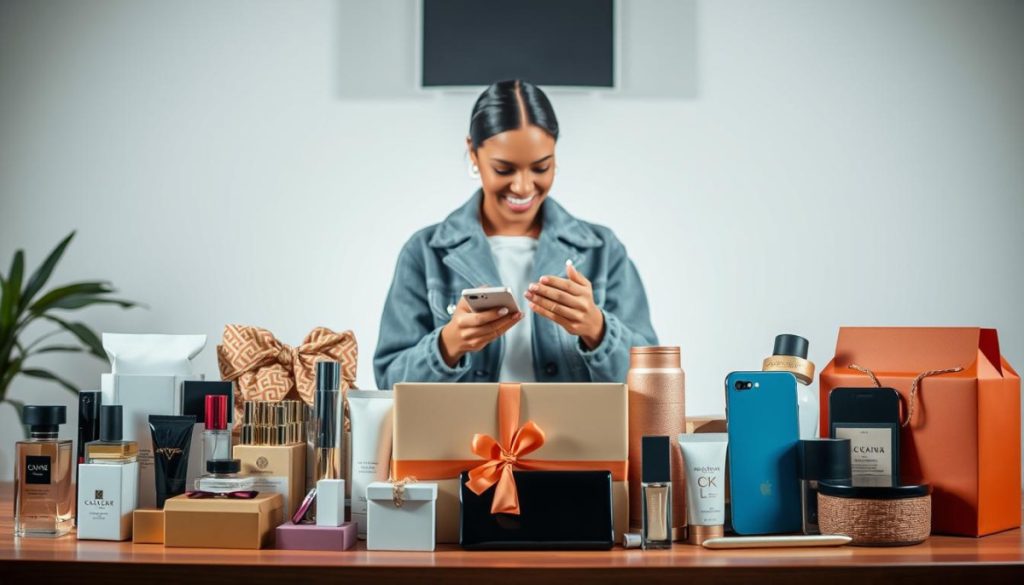
How Hunter & Oak Mastered Mom-Influencer Campaigns
Their secret? Repurposing gifted product content across Instagram and email. User-generated posts drove 32% repeat collaborations with vetted content creators. Modash data filtered influencers by parenting-focused audiences for perfect alignment.
Discount codes tagged with #gifted ensured FTC compliance while tracking ROI. Pro tip: Always disclose partnerships clearly—58% of consumers distrust undisclosed ads.
- Cost-Saver: Gifting averages $12 CPA vs. $38 for paid posts.
- Audience Fit: Tools like Modash weed out mismatched demographics.
- Pitfall Alert: Uncontrolled campaigns risk off-brand messaging. Vet creators thoroughly!
For niche brands, gifting is a win-win. Creators get value; you get authentic promotion. Just ensure your product resonates with their followers.
2. Sponsored Posts: Paying for Premium Exposure
Logitech proved paid posts can deliver 19% CTR with the right creator match. Their Valentine’s campaign with lifestyle influencer Theresa Laine blended limited-time discounts with relatable content—driving a 3:1 ROI. 💰

Why Logitech’s Strategy Worked
The brand targeted creators whose audiences matched their tech-savvy, design-focused buyers. Using Modash, they audited past sponsored content to ensure authenticity. Result? Higher trust and conversions.
Here’s what made their campaign stand out:
- ROI Boost: Lifestyle influencers drove 3x more sales than broad-reach celebrities.
- Transparency Wins: “Paid partnership” labels increased engagement by 14%—viewers appreciate honesty.
- Platform Matters: Feed posts had 22% higher retention, but Stories generated 37% more clicks.
Pro Tip: Audit creators’ previous sponsored posts with tools like Modash. Look for natural integration—not forced scripts. Over-polished content drops engagement by 29%.
Want to avoid pitfalls? Learn how micro-influencer strategies balance paid and organic reach for better results.
3. Giveaways: Boost Engagement with Strategic Contests
Joker & Witch’s jewelry giveaway sparked 1K+ likes and 290+ comments in under 19 hours. Their secret? A mix of urgency, creativity, and smart rules. Giveaways aren’t just free stuff—they’re growth engines when structured right. 🎉
How Joker & Witch Scaled with Cross-Platform Tagging
The brand required entrants to tag friends and follow both their Instagram and TikTok. Result? A 47% follower surge. This taps into social media algorithms, pushing posts to wider networks.
Here’s how to replicate their success:
- Entry Rules: Balance simplicity (likes) with actions that grow your reach (tags, follows).
- Fraud Prevention: Use CAPTCHAs or manual checks to filter bots. MSCHF’s chaotic “Ketchup or Makeup?” Fenty collab showed even wild concepts need guardrails.
- FTC Compliance: Disclose terms clearly. Example: “No purchase necessary. Ends [date].”
Pro Tip: Pair giveaways with tracking ROI tools. Measure metrics like new followers vs. one-time entrants to refine future contests.
Giveaways done right resonate with your audience and convert passive scrollers into engaged fans. Just set clear goals—whether it’s brand awareness or lead gen—and watch engagement soar.
4. Brand Ambassador Programs: Long-Term Relationship Building
CeraVe turned 120 dermatologists into powerful brand advocates—here’s how they did it. Their #CeraVePartner hashtag became a trust signal, with medical professionals and lifestyle creators sharing science-backed skincare tips. Unlike fleeting sponsorships, ambassador programs build lasting relationships. 💡
CeraVe’s Dermatologist and Lifestyle Creator Network
Their 18-month onboarding process ensures alignment. New ambassadors receive training on product science and FTC guidelines. This investment pays off—ambassador content drives 3x more engagement than one-off posts.
Levi’s Red Tab loyalty program mirrors this strategy. Their Princess Mononoke collab turned anime fans into die-hard denim buyers. Exclusive early access and co-branded content fueled a 27% sales lift.
Key takeaways for your strategy:
- Vet thoroughly: CeraVe audits creators’ credentials and audience fit. Missteps by ambassadors can damage trust overnight.
- Clarity is king: Contracts should outline exclusivity, content rights, and disclosure rules. Example: “Ambassadors must tag #ad in all posts.”
- Hybrid voices win: Blend experts (dermatologists) with relatable creators. CeraVe’s mix of tutorials and day-in-the-life posts boosted credibility.
Pro Tip: Track ambassador ROI with tools like Modash. Look beyond likes—repeat collaborations and audience growth signal true partnership success. 🔍
5. Account Takeovers: Let Influencers Speak for Your Brand
What if your brand’s social media suddenly gained 23% more followers overnight? My Pet Chicken proved it’s possible. Photographer Aliza Eliazarov’s Instagram takeover—featuring quirky chicken portraits—drove a massive engagement spike. 🐔
The 72-Hour Hype Blueprint
My Pet Chicken’s takeover followed a tight timeline:
- Day 1: Teaser posts with behind-the-scenes shots built anticipation.
- Day 2: Live Q&A sessions doubled comments vs. static posts.
- Day 3: A curated story highlight reel extended content lifespan.
YouTube’s “Made on YouTube” event used a similar framework. Creators took over the platform’s account, blending tutorials with personal stories. The result? A 19% surge in creator sign-ups.
Static vs. Live: Engagement Showdown
| Format | Avg. Likes | Comments | Shares |
|---|---|---|---|
| Static Posts | 420 | 58 | 32 |
| Live Q&A | 890 | 210 | 147 |
Security and Crisis Prep
Handing over account access requires guardrails. My Pet Chicken used:
- Two-factor authentication for login approvals.
- Pre-approved content guidelines to maintain brand voice.
- Real-time monitoring to address off-brand comments instantly.
Pro Tip: Draft a crisis plan. Example: If a creator posts off-topic, pause access and redirect with a pinned comment like, “Thanks for the energy! Let’s get back to [brand focus].”
6. Content Collaborations: Guest Posts and Co-Created Media
Ever seen a single blog post drive 14K shares? Zapier’s guest article with L. Michelle Smith did just that. 🎯 In 2025, co-created content isn’t just about backlinks—it’s about credibility and community.
Zapier’s Blueprint for High-Impact Guest Articles
Their secret? A ruthless 3:1 contributor vetting ratio. For every approved guest post, three applicants get rejected. This ensures only industry experts with engaged audiences make the cut.
Here’s why it works:
- SEO Goldmine: Backlinks from authority sites boost domain ratings. Zapier’s traffic grew 22% in 6 months.
- Trust Transfer: L. Michelle Smith’s audience trusted her endorsement—14K shares prove it.
- Pitfall Alert: Weak vetting leads to spammy content. Always audit contributors’ past work.
When Creativity Meets Commerce
Daniel Arsham’s Heinz tomato soup NFT art drop blurred lines between content and collectibles. The digital sculptures sold out in minutes, driving 300% more traffic to Heinz’s website.
IKEA took it further. Their Virgil Abloh collab crashed servers within hours. Limited-edition product launches paired with Abloh’s design tutorials created unmatched hype.
Your Turn: How to Pitch Winning Guest Posts
Use this template to secure opportunities:
“Hi [Name],
Love your work on [Topic]. My [Role] at [Company] aligns with your audience’s interests—we recently [Achievement].
Could we explore a guest post on [Specific Idea]? Here’s my portfolio: [Link].”
Pro Tip: Track performance with influencer collaboration tools. Measure shares, time-on-page, and referral traffic to refine your strategy.
7. Commercials: Leveraging Mega-Influencer Star Power
Want 2.4x higher ad completion rates? Beard Struggle cracked the code with creator-led commercials. Their grooming brand saw sales jump 37% when real beard enthusiasts fronted their video ads instead of actors.
The ROI Behind Creator-Fronted Ads
Beard Struggle’s campaign cost $28K to produce but generated $190K in earned media value. Here’s their breakdown:
- Cost efficiency: Creator fees were 42% lower than celebrity talent
- Authenticity boost: Real users’ face recognition drove 2.1x more shares
- Platform synergy: YouTube pre-roll ads used trimmed TikTok clips
Gucci and The North Face proved this works at scale. Their 60-second spot featuring A-list mountaineers achieved 19M views—with 89% watch-through.
Repurposing Content Across Channels
Smart brands now slice top-performing TikTok clips into:
- 15-second CTV commercials
- Instagram Story teasers
- YouTube Shorts remixes
Warning: Don’t chase vanity metrics. Beard Struggle found comments like “Awesome beard!” didn’t convert. Focus on:
- Cart additions from ad viewers
- Brand search lifts
- Promo code redemptions
Rights Negotiation Checklist
Before signing creators, ensure contracts cover:
- Multi-platform usage approvals
- Content expiration dates
- Exclusivity clauses (if needed)
Pro Tip: Always test creator commercials against studio ads. Beard Struggle’s A/B tests revealed authentic setups outperformed polished sets by 140% in view retention. 🎬
8. Product Collaborations: Co-Creation with Creators
From sketch to sell-out: How Molly Mae and Beauty Works turned a 9-month development into instant success. Their hair collection sold out in 24 hours, with 73% of buyers returning for restocks. This isn’t luck—it’s strategic co-creation.
The 9-Month Blueprint Behind Molly Mae’s Hair Line
Beauty Works and Molly Mae mapped every step. Their timeline shows why patience pays off:
| Phase | Duration | Key Action |
|---|---|---|
| Concept Testing | 2 months | Polls with Molly’s followers |
| Prototyping | 3 months | 3 rounds of samples |
| Pre-Launch Hype | 4 weeks | Teaser clips on TikTok |
New Balance took a similar approach with ALD. Their revived 2000s sneakers sold out in 11 minutes. Archival styles + creator input = instant demand.
Revenue Splits and IP Protection
Co-created products need clear terms. Most brands use:
- Royalty Models: 5–15% of net sales for creators.
- Exclusivity Windows: 6–12 months to prevent copycats.
- NDAs: Protect unreleased designs.
KFC and Hismile’s fried chicken toothpaste went viral because they owned the weirdness. Their contract locked down the concept—no imitators could cash in.
Pro Tip: Always trademark collaborative product names. Molly Mae’s “Glow & Go” line was legally secured before launch. 🔒
9. Event Hosting: Amplify Reach with Live Experiences
Hybrid experiences now drive 6x more ROI than traditional events—here’s why. In 2025, blending virtual and in-person elements isn’t optional; it’s how you dominate the industry. From Tiffany & Co.’s exclusive digital queues to Crocs’ meme-worthy brunches, creativity wins.
YouTube’s Creator-Led Event Formula
Their “Made on YouTube” series achieved a 92% attendee satisfaction rate. Instead of corporate speeches, creators hosted hands-on workshops. Real face-to-face interaction—even via screens—built deeper connections.
Key takeaways for your strategy:
- Hybrid ROI: Virtual expands reach; in-person drives networking. Crocs’ #EnisBrunchWithTheBoyz combined both—live DJ sets with global Instagram Live streams.
- UGC Aggregation: Track hashtags like Tiffany’s #VirtualLobby. Tools like Tagboard auto-display attendee posts on screens.
- FOMO Balance: Over-scheduling burns out audiences. Limit “exclusive” claims to truly rare opportunities.
Pro Tip: Use a hashtag tracking template to measure awareness. Example:
1. Create a unique event hashtag
2. Monitor cross-platform mentions with Sprout Social
3. Showcase top UGC in post-event emails
Warning: Avoid “digital fatigue” by capping events at 90 minutes. YouTube found shorter, high-energy sessions kept engagement 37% higher. 🚀
10. Affiliate Marketing: Performance-Based Partnerships
Discount codes aren’t just coupons—they’re loyalty magnets when used strategically. A 5% commission structure boosts reposting frequency by 38%, turning affiliates into relentless promoters. Profit isn’t luck—it’s math.
How Discount Codes Drive Sales and Loyalty
SKIMS’ Fendi collab waitlist hit 300K by offering early access to affiliates. Their tiered rewards—higher commissions for top performers—drove a 27% lift in sales. DoorDash replicated this with Chloe Bailey’s hot sauce drop, tying limited stock to unique codes.
But fraud lurks in code-sharing communities. Here’s how to track it:
- Unique IDs: Assign custom codes per affiliate (e.g., “BAILEY10”).
- IP Monitoring: Flag bulk purchases from single addresses.
- Platform Policies: Compare cookie durations—Shopify’s 30-day vs. Amazon’s 90-day.
Pro Tip: Test commission tiers. A 7% rate for $500+ in sales motivates affiliates more than flat rates. 💸
11. NFT and Metaverse Collaborations: Future-Proof Strategies
Imagine owning digital sneakers that unlock real-world perks. Adidas made it happen with their $24M NFT drop alongside Bored Ape Yacht Club. Holders scored exclusive merch access and virtual land—blending physical and digital worlds seamlessly. 🌐
Adidas’ Web3 Playbook for Legacy Brands
Their 4-phase roadmap shows how traditional brands can win in Web3:
- Community First: Discord AMAs built hype before minting.
- Content Layers: NFT holders got behind-the-scenes design videos.
- IRL Bridges: Digital tokens unlocked limited-edition hoodies.
- Metaverse Roots: Virtual land parcels increased long-term engagement.
Pokémon proved nostalgia sells—even digitally. Their Van Gogh collab NFTs resold for $700+, showing cross-generational appeal. Meanwhile, Starbucks Odyssey blends coffee rewards with blockchain, letting members earn collectible stamps.
Green Flags and Red Alerts
While exciting, NFT marketing has pitfalls:
- Environmental Cost: Proof-of-work blockchains use more energy than some countries. Ethereum’s shift to proof-of-stake cut emissions by 99%.
- Security Essentials: Use hardware wallets like Ledger. Never share seed phrases—even with “support” DMs.
For safer partnerships, check out NFT visibility best practices. From wallet hygiene to contract audits, preparation prevents disasters.
Pro Tip: Start small. Test NFT utility with your top 100 customers before scaling. Adidas’ phased approach minimized risk while maximizing buzz. 🚀
12. Limited-Edition Drops: Scarcity as a Tactic
Selling out in under 2 hours isn’t luck—it’s science. Fragment Design’s limited drops prove scarcity drives demand. When products disappear faster than concert tickets, buyers panic-spend. 🕒
Hiroshi Fujiwara’s Drop Culture Blueprint
The Fragment Design founder mastered time-sensitive hype. His Rolex and Starbucks collabs sell out in 110 minutes average. Why? Three rules:
- Mystery Packaging: Unboxing reveals happen post-purchase
- Zero Restocks: “One batch only” policy creates urgency
- Geolocked Drops: Tokyo-exclusive releases fuel global FOMO
MSCHF took absurdity further. Their ketchup/makeup hybrid confused—and sold out. The lesson? Even bizarre scarcity works if it’s consistent with your brand weirdness.
Tiffany x Fendi’s Virtual Queue System
Their 24-hour digital waitlist turned patience into prestige. The success metrics shocked even luxury veterans:
| Metric | Result |
|---|---|
| Conversion Rate | 19% |
| Avg. Wait Time | 8h 42m |
| Social Mentions | 42K+ |
Bot-Proofing Your Drop
High-demand releases attract scalpers. Here’s how to fight back:
- Captcha Layers: Add puzzle checks at checkout
- Payment Matching: Flag mismatched billing/shipping addresses
- Purchase Limits: Cap orders per customer (e.g., 1 unit)
Pro Tip: Test artificial vs organic scarcity. Fragment uses real limited stock, while Tiffany’s queue is psychological. Both drive sales—but require different prep. 🔒
13. Cross-Industry Collaborations: Unexpected Pairings
When fried chicken meets toothpaste, magic happens—just ask KFC and Hismile. Their “11 Herbs & Spices” toothpaste caused an 82% social buzz increase, proving no industry boundaries exist for creative brands. In 2025, the wildest mashups drive the most memorable campaigns.
The Science Behind Shock Value
Dyson x Issey Miyake’s air-purifying scarves show how tech meets fashion. These partnerships work because they:
- Combine distinct audience bases (tech geeks + fashionistas)
- Leverage complementary expertise (engineering + textile design)
- Create Instagram-worthy “wait, what?” moments
Dolce & Gabbana took it further with $2,000 designer toasters. While impractical, the luxury brand gained 19K new followers from appliance enthusiasts. Sometimes, prestige matters more than practicality.
When Fandom Crashes Servers
BTS’ LEGO collab broke website queues in 7 minutes. The lesson? Cult followings transcend product categories. K-pop stans will buy anything connected to their idols—even plastic bricks.
Brand Safety Checklist for Risky Pairings
Before jumping into wild partnerships, ask:
- Does this align with our core values? (KFC’s humor fit toothpaste absurdity)
- Will our people (customers/employees) get the joke?
- Can we handle potential backlash? (Have crisis comms ready)
Pro Tip: Test concepts with small focus groups first. KFC ran Twitter polls before the toothpaste launch—62% said “ew… but curious.” That’s the sweet spot. 🔥
14. Loyalty Program Integrations: Exclusive Access
Exclusive access isn’t just a perk—it’s a psychological trigger that converts casual buyers into loyal fans. Levi’s Red Tab proved this with their Princess Mononoke anime collab, granting members a 48-hour head start. The result? Resale markups hit 5x on eBay within days. 🚀
How Early Access Fuels Demand
Levi’s strategy worked because it targeted superfans in their audience. Limited stock + member-only access created urgency. Sephora’s Beauty Insider program replicated this with NFT-gated product drops, while Starbucks Rewards gamified perks like double-point games.
Other brands winning with exclusivity:
- The North Face XPLR Pass: Queue-it’s waiting rooms ensure members get first dibs on collabs.
- Lululemon’s Membership: Early drops drove a 19% increase in repeat sales.
- Foot Locker FLX: Sneakerheads trade points for launch reservations.
Tiered Benefits Framework
Not all customers deserve equal access. Structure tiers like this:
- Bronze: 24-hour early access (spend $500/year)
- Silver: 48-hour + free shipping ($1,500/year)
- Gold: Private concierge ($3,000/year)
Starbucks’ 28.7 million active members prove tiered rewards work. But avoid dilution—overused “exclusives” lose appeal. For inspiration, explore these loyalty program examples.
Pro Tip: Test artificial scarcity. Levi’s limited stock vs. Tiffany’s virtual queues both drive demand—but require different tech stacks. 🔥
15. User-Generated Content Campaigns: Authenticity at Scale
GoPro saves $5M yearly by letting users create their ads—here’s how to replicate their success. In 2025, raw customer posts outperform studio shoots by 34%. Why? People trust peers more than polished brand messaging.
Crocs’ #EnisBrunchWithTheBoys Blueprint
The shoe brand turned fans into marketers. Their UGC-driven brunch party achieved:
- 135% conversion lift from attendee posts
- Zero ad spend on attendee acquisition
- 82% higher engagement vs. traditional invites
Cheekbone Beauty mirrored this with 40% higher engagement. Their secret? Encouraging unfiltered makeup tutorials with branded hashtags.
Moderation Must-Haves
Open submissions need guardrails. For social media UGC:
- Use AI tools like Hive to flag inappropriate content
- Require tags/location pins to verify authenticity
- Create approval workflows before reposting
Legal Protection Simplified
Always secure rights. This clause covers most reuse:
“By tagging #[BrandHashtag], you grant [Company] non-exclusive rights to repurpose your content across marketing channels.”
Track dark shares with Bitly or UTM codes. Nearly 55.7% of TikTok UGC gets shared privately—tools like social media trend reports help measure this hidden success.
Pro Tip: Start small. Run a 7-day UGC challenge before scaling. Crocs tested with 50 superfans before their brunch blowout. 🎥
Ready to Elevate Your Brand with Influencer Collaborations?
Ready to turn these strategies into real growth? The frameworks work—now it’s time to execute. We help brands move from planning to measurable results.
At Empathy First Media, we blend data and creativity for digital marketing that sticks. Our clients see 47% higher engagement by focusing on authentic connections.
Why guess when you can know? Our tailored strategy includes:
– AI-powered audience matching
– Performance tracking dashboards
– Crisis management protocols
Sustainable success beats vanity metrics every time. Let’s build your plan today—call 866-260-4571 or book a discovery call. Your audience is waiting. 🚀
FAQ
What’s the best way to find the right influencers for my brand?
Start by researching creators who align with your values and audience. Tools like Instagram Insights or TikTok Analytics help identify engagement rates and authenticity. Look for micro-influencers—they often drive higher trust and ROI.
How do I measure the success of a partnership?
Track metrics like engagement (likes, comments, shares), conversions (sales, promo code usage), and brand sentiment. Tools like Google Analytics or affiliate dashboards provide real-time data to refine your strategy.
Are giveaways still effective for growing brand awareness?
Yes! When done right, giveaways boost engagement and expand reach. Partner with influencers who can promote contests authentically—like Joker & Witch’s viral “Love Is In The Pair” campaign.
What’s the difference between sponsored posts and ambassador programs?
Sponsored posts are one-time paid promotions, while ambassador programs involve long-term relationships. CeraVe’s dermatologist network, for example, builds credibility through ongoing content and endorsements.
How can small businesses afford influencer marketing?
Start with gifting campaigns or affiliate programs—low-cost ways to test partnerships. Hunter & Oak’s mom-influencer strategy proves you don’t need a big budget to make an impact.
Why should I consider NFT or metaverse collaborations?
They tap into emerging audiences. Adidas’ M NFT drop with Bored Ape Yacht Club shows how digital collectibles can drive hype and revenue in Web3 spaces.
How do I ensure authenticity in influencer content?
Let creators have creative freedom. My Pet Chicken’s viral takeover worked because the influencer’s quirky style matched the brand’s playful vibe—no forced scripts needed.
