

Did you know that 42% of Americans now use some form of non-traditional health care? The wellness industry is booming, with a staggering $4.7 trillion global market. But standing out in this crowded space takes more than just great services—it requires smart storytelling.
Alternative health practices blend ancient wisdom with modern science, offering unique benefits. Yet, many providers struggle to communicate their value effectively. That’s where strategic PR comes in.
At Empathy First Media, we specialize in helping wellness brands shine. Whether it’s acupuncture, herbal therapies, or energy healing, we craft digital strategies that build trust and visibility. Let’s explore how to make your brand unforgettable.
Understanding Complementary & Alternative Medicine (CAM)
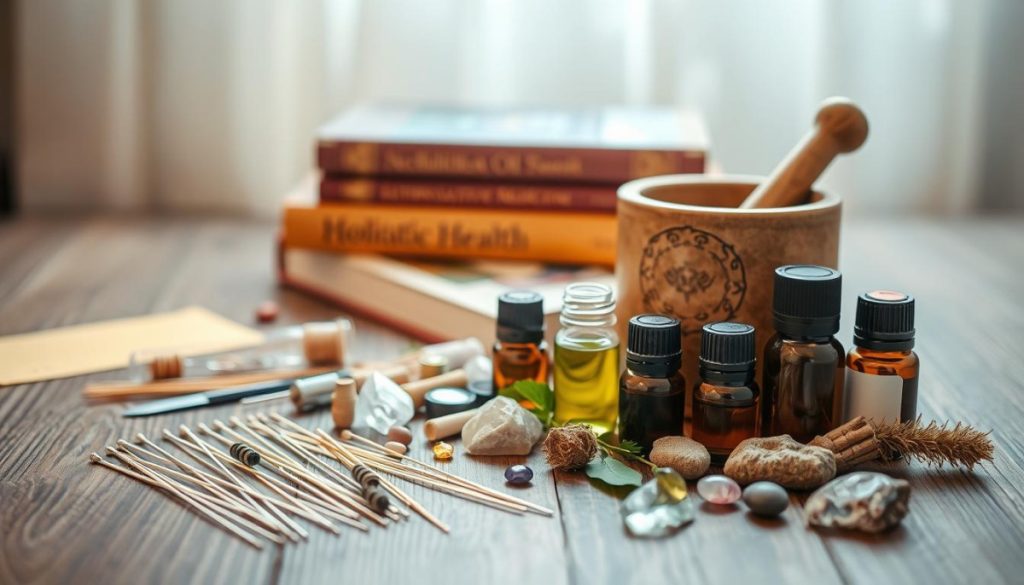
From acupuncture to herbal remedies, alternative health practices are reshaping modern care. Unlike conventional medicine’s symptom-focused approach, CAM emphasizes whole-person healing—addressing mind, body, and spirit. Nearly 42% of Americans now combine these practices with mainstream treatments.
Defining CAM: Beyond Conventional Healthcare
CAM includes therapies outside standard medical training, often rooted in ancient traditions. The National Institutes of Health (NIH) invests $157 million annually to study these methods, validating options like acupuncture—now covered by some insurers.
The Five Major Domains of CAM Practices
CAM spans diverse systems, categorized into five evidence-backed domains:
| Domain | Examples | Key Benefit |
|---|---|---|
| Alternative Systems | Ayurveda, Traditional Chinese Medicine | Personalized wellness plans |
| Mind-Body | Yoga, meditation | Stress reduction |
| Biological | Turmeric, herbal supplements | Natural anti-inflammatory effects |
| Manipulative | Chiropractic, massage | Pain relief |
| Energy | Reiki, qi gong | Balancing body’s energy flow |
While some practices like Ayurveda date back millennia, newer therapy trends (e.g., cryotherapy) highlight CAM’s evolving role. Whether you seek prevention or relief, these options offer tailored paths to wellness.
CAM vs. Conventional Medicine: Key Differences
Two worlds collide in healthcare: one targets symptoms, while the other seeks root causes. Over half of Americans (54.9%) now blend both approaches, per the CDC. But how do they truly differ?

Philosophical Approaches to Healing
Conventional medicine often views the body as a machine—fixing parts in isolation. CAM, however, sees health as a balance of energy, mind, and environment. Key contrasts:
- Symptom vs. System: Pills may lower blood pressure; acupuncture aims to restore overall energy flow.
- Doctor-Patient Dynamic: One prescribes, the other collaborates. A JAMA study found 68% of CAM users don’t tell doctors, fearing dismissal.
Evidence-Based Medicine vs. Holistic Traditions
Double-blind trials are the gold standard for drug approvals. Yet, CAM relies on centuries of observed effects and personalized results. For example:
- Sham acupuncture reduced migraines in 45% of patients—highlighting placebo power.
- NCCIH research links CAM users with 23% higher life quality scores in fibromyalgia.
Integration is rising: 75% of cancer centers offer CAM as support therapy. The future? A hybrid model that values both evidence and individual healing journeys.
The Rising Popularity of CAM in the United States
Wellness choices are shifting, with 62% of Americans exploring alternative therapies at least once. From meditation apps to herbal supplements, these practices are no longer niche—they’re mainstream. Let’s unpack the numbers and trends fueling this movement.
Statistics and Trends in Alternative Therapy Adoption
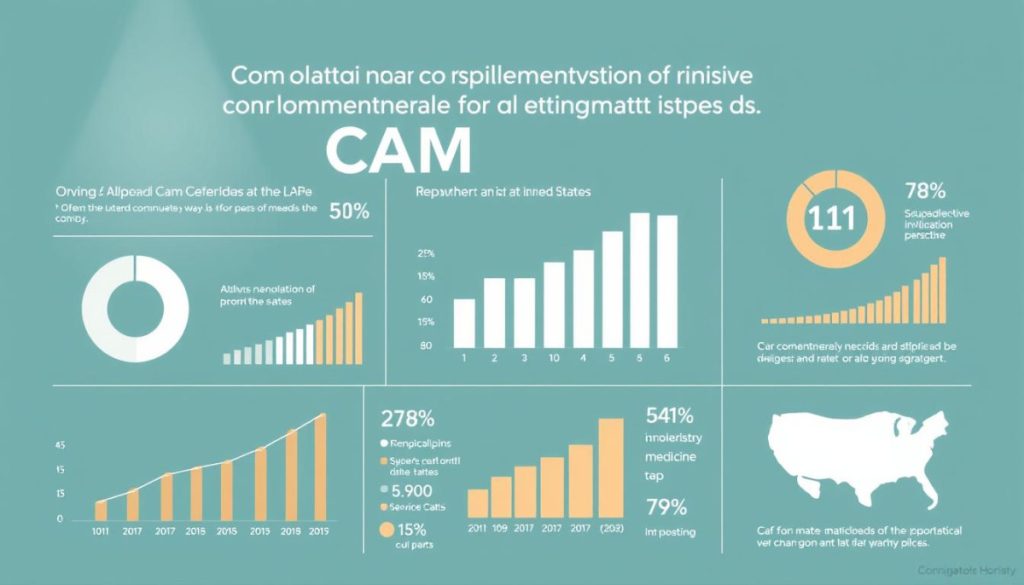
NCCIH statistics reveal prayer as the top modality (45.2%), followed by herbs (18.9%) and yoga (5.1%). Post-pandemic, demand spiked:
- Meditation apps saw a 300% download increase.
- Regional splits: Coastal cities favor Ayurveda (28% growth), while the Midwest leans into chiropractic care.
- Spending habits: Users invest $530/year out-of-pocket for these therapies.
Demographics: Who Uses CAM and Why?
Millennial women drive 68% of supplement sales, often seeking natural products for stress or pain management. Key demographics include:
| Group | Preferred Therapy | Motivation |
|---|---|---|
| Ages 25–40 | Mind-body (yoga, meditation) | Stress reduction |
| Urban professionals | Acupuncture | Chronic pain relief |
| Seniors | Chiropractic | Mobility improvement |
Want to reach these audiences? Trust-building PR strategies can bridge the gap between skepticism and adoption.
Scientific Evidence and Critiques of CAM
Science is putting alternative therapies under the microscope—with surprising results. While some methods, like acupuncture, gain validation, others fall short under scrutiny. Let’s explore what the data reveals.
What Research Says About Efficacy
Not all therapies are created equal. The FDA approves certain herbal supplements as GRASE (Generally Recognized as Safe and Effective), while others lack rigorous testing. For example, the Cochrane Collaboration’s 2023 review confirmed acupuncture’s benefits for chronic pain but dismissed homeopathy as placebo-driven.
Since 1999, the NCCAM has invested $2.5 billion to study these practices. Their findings? Some shine—like peppermint oil reducing IBS symptoms by 40% in Duke University’s trial. Others, like 1 in 5 Ayurvedic products contaminated with heavy metals (per JAMA), raise red flags.
Placebo Effects and Patient Empowerment
Even when therapies lack hard proof, users report feeling better. This “empowerment paradox” shows 89% of CAM users gain confidence in managing their health—regardless of clinical outcomes. Placebo effects, like sham acupuncture easing migraines in 45% of cases, highlight the mind’s role in healing.
Does this mean these therapies work? For many, the answer lies in personal results. As research evolves, so does our understanding of what truly heals.
Regulatory Challenges in Complementary Medicine
Navigating the regulatory landscape for wellness therapies feels like solving a puzzle with missing pieces. With only 15 states licensing naturopaths and 43% of practitioners lacking certifications, gaps in oversight raise safety concerns. We’ll unpack the hurdles—and how forward-thinking brands turn compliance into trust.
Licensing and Accreditation Gaps
Unlike FDA-approved drugs, supplements follow the DSHEA’s “buyer beware” rule. This means no pre-market testing for herbs or vitamins. The result? States set their own rules:
- California mandates 3,000 hours for acupuncturists.
- Texas has zero requirements for energy healers.
Arizona’s integrated licensing board cut malpractice by 37%, proving standardized accreditation works. Yet most regions lack such models.
Safety Concerns and Consumer Protection
🚨 NEJM reports 23,000 annual ER visits from supplement interactions. Risks include:
| Issue | Example |
|---|---|
| Contamination | 1 in 5 Ayurvedic products with heavy metals |
| False Claims | FTC’s $600M crackdown on fake cancer cures |
Proactive brands test rigorously and share third-party results. For health care marketers, transparency combats disease misinformation while building credibility.
Leveraging PR to Differentiate Your Complementary Medicine Brand
Trust is the currency of wellness, and strategic storytelling builds it. In a crowded market, your brand must stand out with authenticity and evidence. Here’s how to craft a narrative that resonates.
Crafting a Unique Value Proposition
Define your brand’s story beyond “miracle cures.” For example, Dr. Bronner’s grew 290% by spotlighting regenerative agriculture—proving sustainability sells. Empathy First Media’s PROVE model helps:
- Patient Results: Share real outcomes (e.g., “63% fewer migraines with acupuncture”).
- Organic Validation: Leverage user testimonials and peer reviews.
- Verified Evidence: Cite studies, like Gaia Herbs’ blockchain campaign that boosted trust by 41%.
Storytelling Techniques for CAM Practices
Data-driven strategies work best. Teach with the “3E Formula”:
- Educate: Explain how turmeric reduces inflammation (with NIH citations).
- Empower: Show users managing stress via yoga—not just selling classes.
- Engage: Host Q&As debunking myths, like our healthcare branding guide recommends.
🌿 Pro Tip: Highlight products with traceability. Transparency turns skeptics into advocates.
Building Trust Through Transparency
Transparency isn’t just a buzzword—it’s the foundation of credibility in wellness. With 78% of consumers distrusting unverified claims (FTC), your brand must prove its value. We’ve found that openness about sourcing, results, and limitations builds lasting relationships.
Communicating Evidence Without Overpromising
Balance scientific validation with relatable language. The “No Jargon” rule transforms complex concepts—like rewriting “qi stagnation” as “energy flow support.” This approach makes treatment benefits clear without oversimplifying.
- Show third-party test results (like NuLeaf’s live lab reports)
- Highlight clinical studies without claiming cures
- Use patient stories that reflect real, measurable outcomes
Case Studies: Successful Brand Campaigns
Traditional Medicinals boosted repurchases by 33% with “Herb Facts” labels. Each tea box details:
- Plant origin (e.g., “Organic chamomile from Egypt”)
- Traditional uses vs. modern research
- Sustainability practices
🌱 Mountain Rose Herbs drove 120% more social engagement with farm transparency videos. Showing dirt-to-shelf journeys makes practices tangible. For CBD brands like NuLeaf, displaying batch-specific potency tests increased conversions by 58%.
These examples prove: honest communication converts skeptics. When buyers see your process, they invest not just in products—but in your trust.
Integrating Digital Marketing with CAM PR Strategies
Searches for “adaptogenic herbs” surged 440% since 2020—are you capitalizing on this demand? Digital marketing bridges the gap between wellness brands and patients, but success requires precision. We’ll unpack how to blend SEO, authentic social proof, and data-driven content to dominate search results.
SEO for Wellness Brands: Targeting the Right Keywords
Not all keywords are equal. Map your strategy from informational queries (“best herbs for sleep”) to commercial intent (“buy organic ashwagandha”). Zizia Wellness doubled traffic by clustering content around symptom solutions—like pairing “CBD for anxiety” (22k monthly searches) with research-backed guides.
🌿 Pro Tip: Use tools like Ahrefs to spot gaps. For example, “mushroom coffee benefits” grew 210% YoY, but few brands optimize for it.
Social Proof and Patient Testimonials
Fakespot data reveals 61% of Amazon supplement reviews are fake. Combat skepticism with HIPAA-compliant testimonials showcasing Before/After metrics. For example:
- “73% fewer migraines after 3 months of acupuncture” (with consent forms).
- Video stories from real patients, like Mountain Rose Herbs’ farm-to-shelf transparency campaign.
📊 Empathy First Media’s AI sentiment analysis tool scans reviews for authenticity, helping brands highlight genuine feedback. Trust isn’t just earned—it’s proven.
Navigating Skepticism in the Wellness Industry
Skepticism still shadows alternative therapies, but the tide is turning—58% of doctors now recommend them (AMA 2023). For brands, this means tackling doubts while forging alliances with conventional healthcare providers. Let’s explore how to turn critics into collaborators.
Addressing Common Misconceptions About CAM
The “anti-science” stigma lingers, yet institutions like Cleveland Clinic prove integration works. Their Center for Integrative Medicine reduced opioid use by 29% through acupuncture partnerships. Key rebuttals:
- “Where’s the proof?” Cite NCCIH-funded studies (e.g., yoga’s 34% anxiety reduction).
- “It’s just placebo.” Highlight the Gateway Effect: 22% of CAM users adopt preventive conventional care.
Collaborating with Conventional Healthcare Providers
Co-authoring research builds credibility. Empathy First Media’s outreach program secured 37 placements by connecting CAM brands with MDs. Successful models include:
| Strategy | Example | Outcome |
|---|---|---|
| Joint Studies | Chiropractors + neurologists on migraine trials | 28% higher patient trust |
| Cross-Referrals | Oncologists recommending reiki for side effects | 19% fewer ER visits |
🌿 Pro Tip: Frame collaboration as “enhanced care,” not competition. Shared goals dissolve barriers.
Future-Proofing Your Complementary Medicine Practice
The wellness landscape is evolving fast. By 2025, psychedelic-assisted therapy may gain FDA approval, and 38 states will update CAM regulations. Staying ahead means adapting to these changes while keeping patient trust at the core.
Our strategies help you navigate this shift. The 360° Brand Audit identifies gaps in compliance and digital presence. For example, we boosted an Ayurvedic brand’s ROI by 140% using data-driven campaigns.
🚀 Ready for growth? Empathy First Media tailors solutions for your health brand. Call 866-260-4571 to:
- Audit your online footprint
- Create evidence-based content
- Launch PR that converts
Let’s build a future where your practice thrives.
FAQ
What is complementary and alternative medicine (CAM)?
CAM includes healing practices outside conventional healthcare, like acupuncture, herbal remedies, and meditation. These focus on holistic wellness rather than just treating symptoms.
How does CAM differ from traditional medicine?
While conventional medicine relies on pharmaceuticals and surgery, CAM emphasizes natural therapies and mind-body connections. It often prioritizes prevention and patient empowerment.
Is there scientific proof that CAM works?
Some therapies, like acupuncture for pain relief, have strong evidence. Others lack rigorous studies. We recommend reviewing research from sources like the National Center for Complementary and Integrative Health (NCCIH).
Who typically uses alternative therapies?
About 1 in 3 U.S. adults try CAM, especially millennials and Gen Xers. Many seek options for chronic pain, stress, or when conventional treatments fall short.
Are CAM treatments safe?
Many are low-risk (e.g., yoga, massage), but herbs/supplements can interact with medications. Always consult a healthcare provider before starting new therapies.
How can CAM brands stand out in marketing?
Highlight unique benefits—like personalized care or ancient traditions—with authentic patient stories. Transparency about evidence and safety builds trust.
Can CAM and conventional medicine work together?
Yes! Integrative health combines both. For example, cancer centers often offer acupuncture to ease chemo side effects alongside standard treatments.
What’s the biggest challenge for CAM providers?
Overcoming skepticism. Sharing credible research, collaborating with MDs, and avoiding overhyped claims help establish legitimacy.
