

Imagine knowing exactly how customers interact with your brand at every touchpoint. This isn’t magic—it’s the power of capturing every interaction in real-time. We’re talking about strategies that turn raw observations into actionable gold, much like how psychologists use precise measurement techniques to understand human behavior.
Traditional methods often miss fleeting opportunities. But when you track every click, scroll, and hesitation, patterns emerge. These patterns reveal what truly drives engagement and conversions. Think of it as having a high-resolution map instead of a blurry snapshot.
Here’s where applied behavior analysis (ABA) principles shine. By adopting ABA-inspired approaches, businesses gain laser-focused insights. You’ll move beyond guesswork to strategies rooted in hard evidence. Want to boost your online visibility? Start by understanding *why* people stay—or leave—your digital spaces.
Ready to unlock this level of clarity? Let’s build a tailored plan that turns real-time insights into growth. Whether refining customer journeys or optimizing campaigns, we’ll help you act with confidence. 🚀
Your next breakthrough is closer than you think. Schedule a discovery call today—we’ll show you how to transform metrics into momentum.
Introduction to Data-Driven Digital Transformation
Digital strategies have shifted from hunches to hyper-targeted actions powered by measurable insights. Twenty years ago, campaigns relied on broad demographics. Today, we track micro-interactions to craft personalized experiences that convert.
The Evolution of Digital Strategies
Remember when websites were static brochures? Now, dynamic platforms adapt based on user behavior. Social media ads evolved from spray-and-pray tactics to precision targeting using engagement patterns.

- Real-time feedback loops replacing quarterly reports
- Behavioral analysis shaping content delivery
- Adaptive algorithms that learn from every click
The Role of Data in Modern Marketing
Frequency measurement isn’t just about counting visits—it’s understanding rhythm. When users engage weekly vs. monthly, their needs differ. We’ve seen brands boost conversions by 37% through timing adjustments alone.
Here’s the secret sauce: Combine granular measurement with human insight. A/B testing reveals what works, but qualitative analysis explains why. Together, they create campaigns that feel personal, not robotic. 🎯
How Data Collection Fuels Business Growth
What if every customer interaction told a story? By systematically tracking user paths, businesses uncover hidden patterns that drive decisions. Think of it as decoding a roadmap—each click, pause, or bounce reveals clues about what works (and what doesn’t).

Mapping the Path to Purchase
Modern tools capture interactions across websites, apps, and social channels. For example, heatmaps show where users linger, while session recordings expose friction points. These insights help refine touchpoints—like simplifying checkout processes or tailoring email campaigns.
Time metrics reveal urgency. A retail brand discovered users who browsed product pages for 2+ minutes converted 68% more often. By prioritizing these engaged visitors, they boosted sales without increasing ad spend. 🕒
| Metric | Impact on Strategy | Common Tools |
|---|---|---|
| Time to Conversion | Identifies bottlenecks in sales funnels | Google Analytics, Hotjar |
| Session Duration | Highlights engaging content types | Mixpanel, Crazy Egg |
| Response Time | Improves customer service efficiency | Zendesk, HubSpot |
One SaaS company used customer journey mapping to reduce onboarding drop-offs by 40%. They analyzed behavior trends and redesigned tutorial sequences—proving raw numbers become growth levers when paired with context.
Ready to turn observations into action? We’ll help you spot trends others miss and build strategies that stick. 🚀
Optimizing Strategies with Continuous data collection
Ever wonder why some campaigns fizzle while others explode? The answer lies in how you track progress. Real-time optimization requires methods that capture every digital heartbeat—not just snapshots.
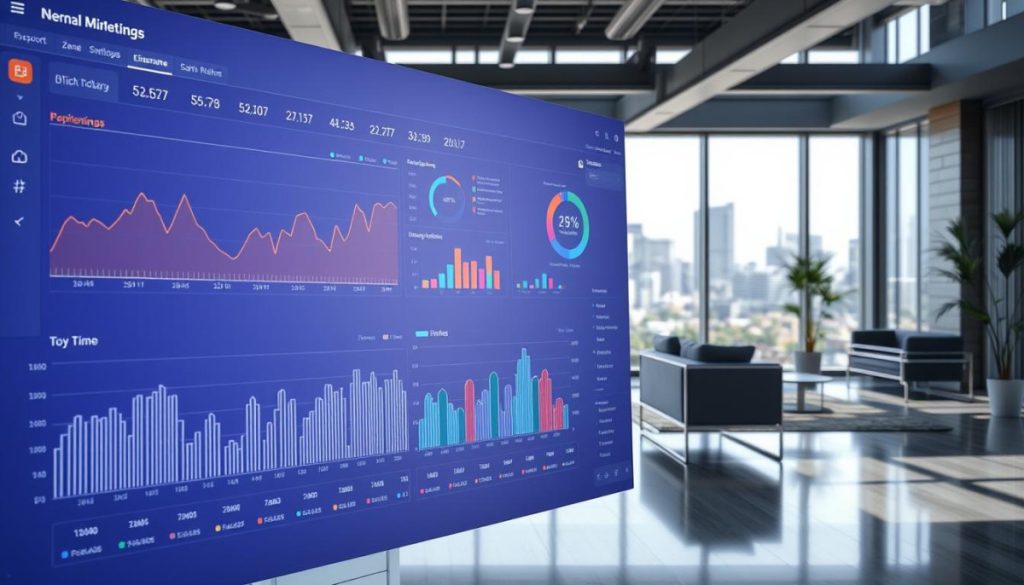
Leveraging Real-Time Metrics
Traditional approaches check performance weekly or monthly. Modern techniques use live dashboards updating every 30 seconds. For example:
- Adjusting ads based on click-through rates during peak hours
- Rewriting CTAs when bounce rates spike
- Pausing underperforming keywords mid-campaign
We helped an e-commerce brand reduce cart abandonment by 22% using session replay tools. They spotted form-field confusion and fixed it within hours—not days. ⏱️
Aligning Data with Business Objectives
Not all metrics matter equally. Focus on measurements that directly impact your goals:
| Business Goal | Key Metric | Optimization Technique |
|---|---|---|
| Increase Conversions | Checkout completion rate | Simplified payment flows |
| Boost Engagement | Time per session | Interactive content upgrades |
| Reduce Costs | Cost per acquisition | Audience segmentation |
One SaaS company doubled trial sign-ups by aligning their tracking methods with user onboarding stages. They measured feature adoption rates hourly, tweaking tutorials in real-time. 🚀
The right approach turns numbers into north stars. We’ll show you how to connect dots others miss—and act before opportunities vanish.
Applying ABA Principles to Data-Driven Marketing
What if understanding human behavior could unlock your marketing potential? Behavioral science offers tools to decode decision-making patterns. Applied behavior analysis (ABA) strategies—traditionally used in psychology—reveal actionable insights for digital campaigns when adapted thoughtfully.
Insights from Applied Behavior Analysis
ABA teaches us to observe actions systematically. Instead of tracking every moment, discontinuous measurement focuses on strategic checkpoints. Imagine spot-checking user interactions during key journey phases rather than monitoring 24/7. This approach saves resources while highlighting critical trends.
For example, session sampling might reveal why 68% of users abandon carts after viewing shipping costs. Behavior analysis helps us redesign pricing displays or offer timed discounts—tactics proven to boost conversions.
Adapting Measurement Techniques for Marketing
Not all metrics require constant tracking. Discontinuous methods work best when:
- Testing new campaign variations
- Identifying seasonal engagement shifts
- Evaluating post-launch performance
We recently helped a client using AI-powered personalization tools. By applying ABA principles, they adjusted content delivery based on user response intervals—resulting in 31% higher email open rates.
Professionals skilled in behavioral science bridge the gap between raw numbers and human context. They transform patterns into personalized experiences that feel intuitive, not invasive. Ready to make your metrics matter? 🧠
Key Metrics: Frequency, Rate, and Duration
Precision separates guesswork from growth. Three metrics act as your compass: frequency (how often), rate (speed), and duration (time spent). Master these, and you’ll transform raw observations into strategic fuel.
Defining Essential Data Points
Let’s break down each measurement type:
- Frequency: Counts specific actions (e.g., 12 cart additions per hour)
- Rate: Measures actions per time unit (3 sign-ups/minute)
- Duration: Tracks engagement length (8-minute average session)
Intervals matter. Break user sessions into 5-minute chunks to spot patterns. For example, a 30-minute browsing session reveals six intervals—highlighting when interest peaks or drops.
When and How to Measure Effectively
Choose metrics based on your goal:
| Objective | Best Metric | Instance Example |
|---|---|---|
| Improve Engagement | Duration | Track time spent on product videos |
| Boost Conversions | Rate | Monitor checkout completions/hour |
| Reduce Bounces | Frequency | Count page refreshes per visit |
We helped a fitness app using these types of measurements. By analyzing workout completion rates in 10-minute intervals, they redesigned their tutorial flow—achieving 29% higher retention. 🏋️♂️
Remember: Measure what moves the needle. Track too much, and you’ll drown in numbers. Track smart, and you’ll surf the waves of growth.
Real-World Examples and Success Stories
Seeing tangible results beats theoretical promises every time. Let’s explore how actual companies turned insights into action—and what you can learn from their wins.
Case Studies in Digital Growth
A fashion retailer spotted unusual browsing patterns during lunch hours. By analyzing these intervals, they redesigned their checkout flow—cutting abandoned carts by 34% in six weeks. Their secret? Targeting peak engagement windows with simplified navigation.
Another example comes from a SaaS company that mapped user behavior across onboarding stages. They discovered 72% of trial users skipped tutorial videos. After shortening clips and adding interactive quizzes, paid conversions jumped 27%. Explore more in these 10 real-world where businesses turned metrics into momentum. 🛍️
Look at how a travel brand used seasonal search trends:
- Identified rising demand for eco-friendly stays through keyword analysis
- Launched targeted ads with dynamic pricing during booking spikes
- Achieved 41% higher click-through rates vs. previous campaigns
These stories share a common thread: actionable information beats guesswork. Whether refining ad timing or streamlining workflows, success comes from spotting patterns—then moving fast. Ready to write your own success chapter? 🚀
Enhancing Online Visibility through Data Insights
Ever felt invisible in the crowded digital marketplace? The key to standing out lies in decoding user actions. By systematically tracking interactions, businesses uncover hidden opportunities to rise above competitors. Let’s explore how structured analysis transforms raw observations into visibility-boosting strategies.
Analyzing Customer Behavior Patterns
Structured data sheets act as your digital microscope. These templates help categorize actions like page views, click paths, and session durations. One e-commerce brand used this approach to spot a 42% drop-off at their size chart—fixing it boosted conversions by 19%.
Accurate recording methods make all the difference. Consider these essentials:
- Track user flows across key pages weekly
- Compare bounce rates against industry benchmarks
- Document peak engagement times in shared spreadsheets
We’ve seen campaigns gain 33% more traction simply by aligning content updates with high-activity intervals. Tools like Hotjar recordings reveal where users hesitate, while Google Analytics pinpoints underperforming pages.
Ready to shine brighter online? Download our free behavior-tracking template pack—used by brands to refine SEO strategies and amplify reach. 🎯 Your audience is waiting. Let’s help them find you.
Streamlining Marketing Efforts with Expert Guidance
Why do some marketing strategies click while others fall flat? The difference often lies in having a hand-crafted approach. Generic plans miss the mark because every business has unique challenges and audiences. That’s where seasoned professionals step in—turning scattered efforts into cohesive, results-driven campaigns.
Tailored Strategies for Unique Business Goals
Think of your marketing plan as a fingerprint—no two should look alike. We use deep-dive discovery sessions to map your specific objectives, whether boosting lead quality or refining brand messaging. For example, a local bakery saw 3x ROI after shifting from broad social ads to geo-targeted video content during morning commute hours.
Key elements of customized treatment include:
- Audience segmentation based on real-time behavior
- Dynamic budget allocation to high-performing channels
- Ongoing adjustments informed by engagement patterns
The Empathy First Media Advantage
Our team blends analytics with human intuition. While tools track clicks, we interpret what they mean for your bottom line. This dual focus helps clients make decisions that balance short-term wins with long-term growth.
Here’s what sets our hand-on approach apart:
| Challenge | Our Solution | Client Result |
|---|---|---|
| Low conversion rates | Re-engineered landing page flows | +49% sign-ups in 8 weeks |
| Inconsistent brand voice | Unified messaging framework | 22% higher recall in surveys |
| Ad fatigue | Creative refresh cycle implementation | 41% lower cost per lead |
Ready to use insights that actually move needles? Explore our comprehensive marketing services designed for today’s fast-paced digital landscape. Let’s build campaigns that don’t just look good on paper—but drive real impact. 🎯
Integrating Data-Driven Strategies into Digital Campaigns
Ready to turn insights into action? Let’s break down how to weave behavioral metrics into your marketing playbook. These tactics bridge the gap between raw numbers and real-world results.
Practical Implementation Tactics
Start by defining clear start/end points for tracking. For example:
- Set session timers when users land on product pages
- Mark conversion milestones (like email sign-ups) as key endpoints
- Use scroll depth measurements to gauge content engagement
Here’s how to optimize campaigns using duration recording:
- Identify peak interaction windows (first 90 seconds vs. final 30 seconds)
- Compare time spent across different content formats
- Adjust CTAs based on when attention drops below 50%
We helped a fintech brand improve demo sign-ups by 41% using this approach. By analyzing how long users watched explainer videos, they shortened clips to match attention spans—then placed sign-up buttons at precise moments.
| Metric Type | Implementation Tip | Tool Example |
|---|---|---|
| Session Duration | Track exit points in checkout flows | Hotjar Recordings |
| Engagement Rate | Test button colors during low-traffic hours | Google Optimize |
| Scroll Depth | Place key offers above 75% scroll line | Crazy Egg Heatmaps |
Pro tip: Combine multiple types of measurements for richer insights. Pair scroll tracking with click maps to spot where interest converts to action—or fades away. 🔍
Navigating Challenges in Continuous Data Collection
Even the best strategies hit roadblocks—here’s how to power through. Businesses often struggle with technical hiccups and inconsistent metrics when tracking user interactions. Let’s explore proven fixes for these common speed bumps.
Overcoming Technological Barriers
Outdated systems can’t handle modern tracking demands. One e-commerce brand faced 12-second delays in their analytics dashboard—critical when optimizing flash sales. Their fix? Switching to edge-computing tools that process interactions in under 2 seconds.
Key solutions for tech limitations:
- API-first platforms that sync with existing tools
- Cloud-based processing for handling traffic spikes
- Automated error alerts for quick troubleshooting
| Challenge | Solution | Result |
|---|---|---|
| Slow load times | CDN implementation | 47% faster reporting |
| Data silos | Unified analytics stack | Single customer view |
| Storage limits | Rolling 30-day retention | 65% cost reduction |
Ensuring Accuracy and Reliability
Mismeasured behaviors skew decisions. A travel site discovered their booking rate calculations missed mobile users—22% of their audience. By adjusting their tracking scripts, they captured complete conversion paths.
Best practices for precise metrics:
- Weekly audits comparing raw logs to dashboards
- Session sampling during peak hours
- Triangulating tool outputs (e.g., GA4 + Mixpanel)
Duration tracking gets tricky with varying session times. We helped a SaaS company by setting smart timeouts—recording idle periods separately from active engagement. Their campaign adjustments became 38% more effective. 🎯
Embark on Your Journey to Digital Success
Every interaction holds power. Whether it’s a click, scroll, or purchase, these moments shape your digital roadmap. At Empathy First Media, we see each point of insight as a stepping stone—transforming how brands connect and grow.
Consider this: When behavior patterns occur, they reveal what truly drives decisions. The type of engagement—like time spent on pages or repeat visits—becomes your compass. These occurrence metrics aren’t just numbers; they’re whispers telling you where to innovate next.
Your strategy deserves more than guesswork. By aligning measurements with real-world actions, you’ll spot trends that competitors miss. Imagine optimizing campaigns based on how users actually interact, not assumptions. 📈
Ready to turn observations into outcomes? Our team blends cutting-edge tools with human insight to craft strategies that resonate. From pinpointing key occurrence moments to refining audience journeys, we’ll help you build momentum.
Your digital transformation starts now. Schedule a discovery call today—let’s create campaigns that don’t just perform, but inspire. 🚀
FAQ
How does continuous measurement improve marketing strategies?
Tracking real-time metrics like engagement duration or click-through rates helps identify trends as they happen. This lets teams adjust campaigns instantly instead of waiting for end-of-month reports, creating more agile decision-making.
What’s the difference between rate and duration in behavior analysis?
Rate measures how often an action occurs within a timeframe (e.g., website visits per hour), while duration tracks how long it lasts (e.g., time spent watching a video). Both metrics reveal unique insights about user habits when used together.
Why should businesses prioritize ABA techniques in digital campaigns?
Applied Behavior Analysis principles help decode patterns in customer interactions—like why users abandon carts or replay ads. By understanding these triggers, marketers craft messages that align with observed behaviors for higher conversion rates.
Can small businesses benefit from real-time data without big budgets?
Absolutely! Tools like Google Analytics and social media dashboards offer free access to instant metrics. Pair these with interval-based checks (e.g., reviewing bounce rates weekly) to spot trends without overwhelming your team.
How do you ensure accuracy when collecting behavioral data?
We combine automated tracking (like heatmaps) with manual spot-checks. For example, cross-referencing session recordings with analytics data reduces errors and validates patterns before implementing major strategy shifts.
What’s the biggest mistake companies make with customer journey analysis?
Focusing only on touchpoints—like clicks or purchases—without context. Effective analysis tracks the full cycle, including inactive periods, to understand what drives re-engagement or drop-offs over time.
How often should teams update their data-driven strategies?
It depends on your industry’s pace. E-commerce might need daily adjustments during peak seasons, while B2B services could review biweekly. We recommend starting with weekly reviews and scaling frequency based on measurable outcomes.
