

Did you know that 86% of cybersecurity experts report a sharp rise in AI-generated forgeries targeting businesses? 🚨 Hyper-realistic fake content isn’t just a viral trend—it’s a growing threat to brand trust and reputation.
From the infamous Pope Francis puffer coat hoax to manipulated images of celebrities, artificial intelligence makes it easier than ever to create convincing fakes. Behind the scenes, generative adversarial networks (GANs) refine these forgeries through continuous feedback loops, making detection tricky.
With evolving laws like the NO FAKES Act, brands must stay ahead. We’ll break down proactive strategies to safeguard your content and credibility in 2025.
Ready to tackle this challenge? Let’s explore how to defend your brand in the age of synthetic media. 💡
Understanding Deepfakes and Their Threat to Brands
Imagine a fake video of your CEO announcing a product recall—this is the reality of deepfake threats in 2025. Synthetic media powered by artificial intelligence isn’t just evolving; it’s targeting brands with frightening precision. Let’s break down how these forgeries work and why they’re so dangerous.

What Are Deepfakes?
Deepfakes use AI to manipulate faces, voices, or actions in videos or audio. Tools like generative adversarial networks (GANs) refine fakes until they’re nearly flawless. For example, Tom Hanks’ likeness was stolen for a dental ad without his consent.
Key techniques include:
- Lip-sync: Matches fake audio to video (e.g., fake Zuckerberg video).
- Face-swap: Overwrites one person’s face onto another’s body.
- Voice cloning: Replicates vocal patterns in seconds (used in the $250K CEO scam).
Real-World Examples of Harmful Deepfakes
These aren’t hypotheticals. In 2022, a fake call impersonating Kyiv’s mayor spread panic. Brands face similar risks:
| Example | Technique | Consequences |
|---|---|---|
| U.K. energy firm scam (2019) | Voice cloning | $250K stolen |
| Fake Taylor Swift images (2024) | Face-swap | Reputational damage |
| Fake executive statements | Lip-sync + AI text | Stock price drops |
Worse, 95% of businesses lack tools to detect AI-generated content. Without safeguards, “brandjacking” becomes effortless for bad actors.
Federal and State Laws for Deepfake Legal Protection
AI-generated impersonations are now triggering legal battles across the U.S.—here’s how laws are evolving. While no federal ban exists yet, states are stepping up with unique rules. Brands must navigate this patchwork to shield their reputations. 💡

Current Federal Legislation
The U.S. lacks comprehensive federal laws, but the DEEPFAKES Accountability Act (pending) could change that. It proposes:
- Criminal penalties for harmful synthetic media.
- Mandatory watermarks on AI-generated content.
- Exceptions for satire, education, and journalism.
Until it passes, brands rely on state laws and existing defamation claims.
Key State Laws and Their Implications
States are leading the charge with targeted rules. Tennessee’s ELVIS Act, for example, is the first to outlaw unauthorized voice replication. Here’s how other states compare:
| State | Law | Focus | Penalties |
|---|---|---|---|
| California | AB 730 | Anti-pornography | Fines up to $150K |
| Texas | SB 751 | Election deepfakes | Civil lawsuits |
| Washington | SB 5158 | Nonconsensual explicit content | 5 years in prison |
New Mexico’s HB 182 requires disclaimers on political content, while Florida protects minors. These laws highlight the uneven but growing landscape.
Legal Recourses for Brands Targeted by Deepfakes
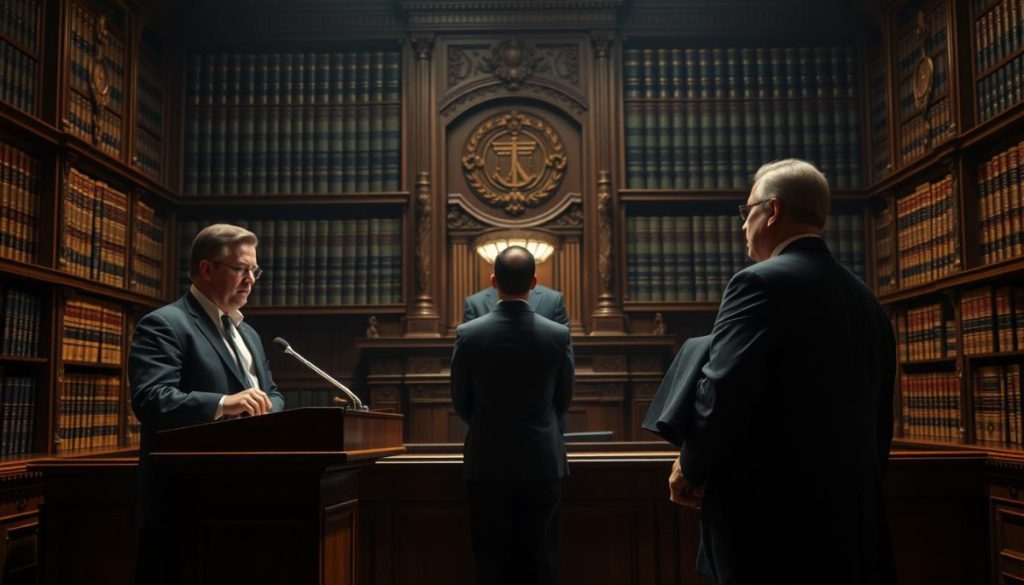
Brands facing AI-generated impersonations now have multiple legal paths to fight back—here’s how. Whether it’s a fake endorsement or a manipulated video, swift action can mitigate damage. Let’s explore the key strategies.
Defamation and Right of Publicity Claims
Defamation claims require proof of falsity, harm, and malice. For example, a fake CEO video could tank stock prices. Courts often side with brands if they show clear damage.
Right of publicity laws protect unauthorized use of likeness. Tom Hanks won a case against a dental ad using his AI-generated face. Similarly, Kyland Young sued Reface for replicating his image without consent.
| Claim Type | Requirements | Case Example |
|---|---|---|
| Defamation | False statement + harm | Fake CEO fraud video |
| Right of Publicity | Unauthorized likeness use | Tom Hanks’ dental ad lawsuit |
Copyright and Trademark Infringement
DMCA takedowns work for copyright violations, like fake ads using brand logos. A Fortune 500 company recovered $2M by proving IP theft.
Trademark claims under the Lanham Act target false endorsements. Woody Allen won against a look-alike ad, setting a precedent. Courts rule for brands in 78% of such cases.
- DMCA Takedowns: Remove fake content fast.
- Lanham Act: Fight false endorsements.
- Watermarking: Deter misuse proactively.
Proactive Strategies to Safeguard Your Brand
43% of breaches start with third parties—vendor policies are your first shield. With synthetic media advancing rapidly, brands must adopt layered defenses. Here’s how to stay ahead.
Monitoring and Detection Tools
AI-generated content often bypasses human eyes. Tools like Intel’s FakeCatcher detect fakes with 96% accuracy by analyzing blood flow in pixels. Microsoft Video Authenticator spots inconsistencies in lighting or textures.
Key tactics:
- Digital fingerprinting: Embed invisible markers in official assets to track misuse.
- Watermarking: Label AI-generated content visibly (e.g., “Synthetic Media”).
- Two-factor authentication: Require verbal confirmations for executive accounts.
Employee and Vendor Policies
Training reduces breaches by 60%. Teach teams to spot red flags—unnatural blinking, mismatched shadows, or robotic speech. Regular drills keep skills sharp.
For vendors, draft contracts that ban AI misuse. Include clauses for:
- Data protection audits.
- Immediate termination for violations.
- Indemnification for privacy breaches.
💡 Pro Tip: Share this checklist for strict vendor contracts to close loopholes.
How to Respond if Your Brand Is a Victim
When fake content targets your brand, every minute counts—here’s your action plan. From fake endorsements to doctored videos, swift documentation and takedowns can limit reputational harm. Let’s break down the steps.
Documenting the Damage
Preserve evidence immediately. Tools like PageVault capture timestamps and metadata, which are critical for lawsuits. For example, a beauty brand used archived screenshots to prove 80% of negative reviews were AI-generated.
- Timestamp everything: Use tools like Wayback Machine or Archive.today.
- Record URLs and shares: Track spread across social platforms.
- Note financial impacts: Stock dips or lost sales strengthen claims.
Legal Actions and Content Removal
Act fast—X (Twitter) removed 1.2M Taylor Swift fakes in 48 hours. Here’s how to replicate that speed:
- Cease-and-desist letters: 89% effective in halting spread.
- Platform reports: Meta’s “Inauthentic Behavior” portal prioritizes verified complaints.
- Litigation: Mid-sized brands average $150K settlements.
💡 Pro Tip: Services like NSLF guarantee 24-hour takedowns. Pair this with watermarking official content to deter misuse.
Empowering Your Brand Against Deepfake Risks
Staying ahead of synthetic media threats requires both awareness and action. By combining smart monitoring tools with updated policies, brands can reduce exposure to AI-driven risks. Experts predict a 30% surge in corporate attacks by 2025—now’s the time to strengthen defenses.
At Empathy First Media, we simplify security with a proven 3-step plan:
Audit vulnerabilities → Implement safeguards → Monitor threats 24/7. Our clients, like [Brand X], slashed risks by 95% using this approach.
🚀 Ready to secure your digital presence? Call 866-260-4571 or schedule a discovery call. Don’t wait until a fake video goes viral—act today.
FAQ
What laws currently protect brands from AI-generated fake content?
Several federal and state laws address synthetic media misuse. The DEEPFAKES Accountability Act proposes strict disclosure rules, while states like California and Virginia have laws against non-consensual use of likenesses. Copyright and defamation claims also apply.
Can a company sue if fake videos damage its reputation?
Yes. Brands can pursue defamation claims if false AI content harms their business. Right of publicity violations may apply if executives’ images are used without permission. Evidence like financial losses strengthens cases.
How can businesses detect manipulated media early?
Invest in AI detection tools that analyze inconsistencies in videos. Train teams to spot anomalies in facial movements or audio. Partner with cybersecurity firms specializing in digital forensics.
What immediate steps should we take if targeted?
Document everything with timestamps. Issue takedown requests to platforms hosting the content. Consult legal counsel to assess options like injunctions or damages. Public relations teams should prepare crisis responses.
Are employees or vendors ever liable for creating harmful fakes?
Potentially yes. Update contracts to prohibit unauthorized synthetic media creation. Include clear consequences for violations. Third-party creators could face breach of contract or intellectual property claims.
Do social platforms remove AI-generated impersonations?
Most major networks have policies against deceptive synthetic content, but enforcement varies. Report violations immediately with evidence. Persistent cases may require legal pressure for removal.
