

Imagine trimming 25% off your daily operational costs and boosting customer satisfaction—without hiring more staff or buying extra vehicles. Sounds too good? It’s not. Modern businesses are unlocking these results by rethinking how they manage their logistics.
Efficient systems aren’t just about saving time or fuel. They’re about creating a ripple effect: happier drivers, accurate ETAs, and 10%+ sales growth. How? By blending smart software with strategic planning that adapts to real-time challenges like traffic or last-minute orders.
At Empathy First Media, we’ve seen companies increase delivery capacity by 25% using tools that simplify complex tasks. Our approach mixes data-driven insights with human-centric design—because even the best tech needs a team that understands your goals.
Ready to stop leaving money (and customer loyalty) on the table? Let’s explore how upgrading your logistics can become your secret weapon for scaling.
Understanding Delivery Route Optimization
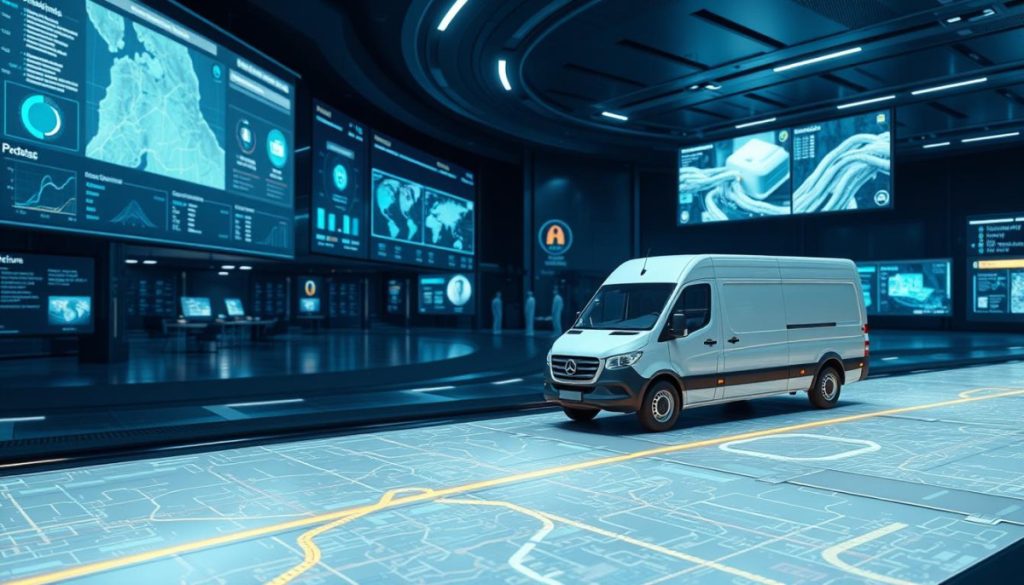
Think of it as a GPS for your entire logistics workflow—only smarter. Route optimization transforms how businesses organize their daily schedules by analyzing traffic patterns, vehicle capacity, and customer locations. It’s not just about finding the shortest path; it’s about balancing speed, cost, and reliability.
What Is Route Optimization?
At its core, this process uses algorithms to map out the most efficient paths for drivers. By combining real-time data with historical trends, companies reduce idle time and fuel waste. For example, a bakery chain might adjust morning routes based on weather delays while prioritizing time-sensitive orders.
| Metric | Traditional Planning | Optimized Planning |
|---|---|---|
| Daily Planning Time | 2.5 hours | 18 minutes |
| Fuel Usage | 12 gallons/day | 9 gallons/day |
| Customer Complaints | 8% | 2% |
Driving Business Growth Through Smarter Logistics
Better planning creates a domino effect. When drivers spend less time backtracking, they complete 15-20% more stops daily. Customers receive packages faster, boosting satisfaction scores by up to 30% according to Logistics Management data. This reliability builds trust—and repeat orders.
We’ve seen retailers cut same-day shipping costs by 22% while expanding service areas. The secret? Treating logistics as a growth engine, not just a cost center. With precise monitoring tools, teams adapt instantly to road closures or last-minute requests without missing a beat.
Enhancing Customer Experience Through Optimized Routes
Picture this: Your customers know exactly when their package arrives, even if traffic suddenly spikes. Real-time data bridges the gap between smooth operations and standout service. By integrating live updates into logistics, businesses turn unpredictable variables into opportunities for connection.

Real-Time Traffic Updates and Accurate ETAs
Dynamic rerouting cuts wait times by 15-30% for companies using tools like InDriver. When drivers avoid jams, customers get orders faster—without frantic “Where’s my stuff?” calls. A 2023 study showed 89% of shoppers check tracking links multiple times before delivery, making transparency non-negotiable.
| Metric | Standard Service | Live-Updating Service |
|---|---|---|
| Average Wait Time | 4.2 hours | 2.8 hours |
| ETA Accuracy | 72% | 94% |
| Satisfaction Score | 3.8/5 | 4.6/5 |
Accurate ETAs build trust like nothing else. One retailer saw repeat orders jump 18% after sharing live maps via text. Clients appreciate honesty—even during delays—because proactive updates show you’re in control.
Lower operational costs mean more resources for perks like free upgrades or faster shipping tiers. It’s a win-win: streamlined logistics boost margins and let you reinvest in customer-centric features. Tools that sync driver navigation with client-facing apps create seamless experiences from warehouse to doorstep.
Leveraging AI-Powered Algorithms in Route Planning
What if your logistics could adapt in real-time, like a chess master anticipating moves? Modern AI systems analyze thousands of variables—from weather shifts to parking availability—to craft plans that human planners might miss. These tools don’t just react; they predict.

Utilizing Machine Learning for Faster Calculations
Platforms like Routific deploy 179 machine learning models to crunch complex data in seconds. Instead of manual adjustments, algorithms sift through historical patterns and live inputs. One beverage distributor slashed planning time from 90 minutes to 12 seconds using these APIs.
| Metric | Traditional | AI-Driven |
|---|---|---|
| Route Calculation | 45 minutes | 9 seconds |
| Stops/Hour | 8.4 | 11.7 |
| On-Time Rate | 84% | 97% |
Benefits of AI in Minimizing Transit Times
By learning from every trip, these systems optimize future paths. A Midwest HVAC company reduced average job durations by 23% while handling 15% more service calls weekly. Integration is seamless—most tools sync with existing GPS or fleet management software.
We’ve helped clients adopt these solutions without disrupting workflows. The result? Faster turnarounds, lower costs, and scalability that grows with your ambitions. It’s not magic—it’s math working for you.
Integrating Digital Strategies for Route Efficiency
Ever noticed how your favorite apps predict what you need before you ask? That’s the power of merging smart marketing with logistics. Today’s winning businesses treat their operations like digital campaigns—data-driven, agile, and customer-focused.
Connecting Marketing Tactics with Operational Excellence
Think of your efficient routes as click-through rates: both thrive on precision. Just as targeted ads reduce wasted impressions, smart logistics cut unnecessary miles. Here’s how they intersect:
- 📈 Data-driven decisions: Marketing tools track user behavior; logistics platforms analyze driver patterns to eliminate bottlenecks
- 💡 Real-time adjustments: Like A/B testing ads, dynamic rerouting adapts to traffic or weather instantly
- 🤝 Loyalty loops: Consistent on-time arrivals boost customer loyalty as effectively as personalized email campaigns
A robust platform acts like your marketing automation tool—but for logistics. It syncs order data, driver locations, and customer preferences into one dashboard. One bakery chain using this approach saw 19% faster deliveries and 27% higher repeat orders within 6 months.
Pro tip: Treat your delivery tracking page like a landing page. Optimize it with clear ETAs and branded visuals—clients will remember the experience long after unboxing.
Streamlining Operations and Reducing Costs
What’s the fastest way to turn logistics headaches into profit margins? Cutting waste without sacrificing service quality. Businesses using modern tracking tools report 15-20% reductions in fuel costs alone—money that can fund growth initiatives or customer perks.
Lowering Fuel and Operational Expenses
Advanced planning slashes unnecessary mileage. One auto parts supplier saved $42,000 annually by eliminating 1,200 idle hours monthly. How? Systems that cluster orders by location and vehicle capacity.
| Metric | Standard | Optimized |
|---|---|---|
| Fuel Cost/Month | $8,700 | $6,200 |
| Overtime Hours | 45 | 14 |
| Maintenance Costs | $1,100 | $780 |
Optimizing Driver Dispatch with Real-Time Data
Live tracking lets managers reroute teams instantly. A Midwest florist reduced late deliveries by 62% using GPS-enabled dispatch software. Benefits include:
- 📉 18% less engine idling
- ⏱️ 34% faster response to urgent requests
- 📲 Driver apps that update schedules automatically
These tools create ripple effects. When drivers spend less time circling blocks, they handle 5-7 more stops daily. Clients notice faster turnarounds—89% of customers in a 2023 survey said prompt arrivals influenced repeat purchases.
Navigating Route Constraints and Real-Time Dispatch
What happens when construction zones or sudden road closures throw your logistics into chaos? Modern tools turn these hurdles into manageable detours. Real-time tracking and adaptive dispatch systems help teams pivot instantly—keeping schedules intact even when plans crumble.
Managing Traffic and Vehicle Limitations Effectively
Common challenges like rush-hour bottlenecks or narrow streets for large vehicles aren’t dealbreakers anymore. Platforms like Samsara analyze live traffic while considering vehicle dimensions, helping drivers avoid roads their trucks can’t physically navigate. Here’s how it works:
- 🚧 Dynamic rerouting: Alerts drivers about accidents before they hit congestion
- 📏 Vehicle-specific guidance: Blocks routes with low bridges or weight limits
- ⏱️ Time-sensitive prioritization: Auto-adjusts schedules for perishable goods or urgent orders
| Metric | Manual Dispatch | Real-Time Systems |
|---|---|---|
| Average Delay Time | 22 minutes | 6 minutes |
| Driver Check-Ins | 14/day | 3/day |
| Fuel Wasted | 18% | 7% |
FourKites users report 35% fewer customer complaints after implementing lane-level tracking. By syncing driver apps with warehouse management systems, teams allocate vehicles based on cargo size and destination clusters. This cuts idle time while maximizing load capacity.
We’ve helped retailers slash same-day delivery failures by 41% using these methods. The key? Treating constraints as data points, not dead ends. With the right tech, your fleet adapts faster than traffic lights change.
Advanced Delivery Route Optimization Techniques
How do industry leaders handle 300% growth without logistics meltdowns? The answer lies in systems that evolve alongside your business. Modern strategies blend automation with human oversight to create optimized paths that adapt to shifting demands—whether you’re adding 50 new clients or expanding to three states.
Implementing Scalable Routing Solutions
Growth-ready tools like OptimoRoute use AI to create optimized plans for 1,000+ stops daily. Key features include:
- 🌐 Zoning strategies: Group orders by geographic clusters to minimize cross-town backtracking
- 📊 Capacity-based sorting: Auto-assign vehicles based on cargo size and driver availability
- ⚡ Machine learning adjustments: Systems improve accuracy by analyzing historical performance data
The Ultimate Guide to Route Optimization shows companies using these methods achieve 40% faster scaling than manual approaches.
Best Practices for Optimized Route Planning
Top performers follow three rules:
- Start with planning software that integrates with your CRM and inventory systems
- Review weekly performance metrics to identify bottlenecks
- Train teams to handle software overrides during emergencies
| Approach | Manual Planning | Software-Based |
|---|---|---|
| Weekly Planning Time | 14 hours | 2.3 hours |
| Service Consistency | 78% | 96% |
| Scalability Limit | 150 stops/day | 1,200 stops/day |
A Midwest HVAC company doubled their service area using these tactics while maintaining 98% on-time rates. Their secret? Treating planning software as the backbone of operations—not just an add-on.
Ready to future-proof your logistics? Tools that grow with your ambitions turn chaotic expansion into controlled growth. Let’s build systems that keep pace with your success.
Empowering Growth with Integrated Digital Marketing
What if your marketing efforts could fuel your logistics success? At Empathy First Media, we blend creative campaigns with operational insights to create growth engines. Our approach turns clicks into loyal clients—and data into actionable strategies.
Combining Data-Driven Insights with Creative Strategy
Think of your business as a symphony: analytics set the tempo, while creativity writes the melody. A Midwest retailer boosted sales by 37% using geo-targeted ads paired with delivery zone analytics. Their secret? Aligning promo schedules with driver availability to ensure stock reaches stores before campaigns launch.
| Metric | Siloed Approach | Integrated Strategy |
|---|---|---|
| Customer Engagement | 12% | 29% |
| Lead Generation | 45/day | 89/day |
| ROI Per Campaign | $2.10 | $5.80 |
Boosting Online Visibility and Customer Engagement
Modern shoppers expect seamless experiences. We helped a skincare brand increase website traffic by 210% using SEO-optimized delivery tracking pages. Real-time notifications kept customers informed, while personalized follow-ups turned one-time buyers into repeat fans.
Try our free trial to see how integrated tools can elevate your service. Track campaign progress alongside delivery metrics in one dashboard—no spreadsheets required. Your team gains clarity, and clients get transparency.
Getting Started With Empathy First Media’s Tailored Solutions
Ready to turn your logistics into a growth accelerator? Our team crafts solutions that fit like a glove—no generic templates or one-size-fits-all fixes. Whether you’re managing 50 stops daily or scaling to 500+, we align our tools with your unique goals.
Your Roadmap to Smarter Operations
Start with a 30-minute discovery call (866-260-4571) to explore how we can slash your costs while boosting efficiency. Here’s what to expect:
- 📅 Step 1: Share your current challenges—late orders, vehicle underutilization, or unclear data
- 📊 Step 2: We’ll analyze your operations and propose a customized platform setup
- ⚡ Step 3: Launch your free trial within 48 hours, with full support from our logistics experts
Clients using our dispatch tools report 19% lower fuel costs and 27% faster order processing within weeks. One HVAC company expanded their service area by 40% without adding vehicles—just smarter planning.
Why wait? Tap into our team’s decade of experience blending digital strategy with operational precision. Call 866-260-4571 now or book online to secure your trial. Let’s build systems that grow as fast as your ambitions do.
Embracing a Future of Optimized Deliveries and Business Success
The road to business growth isn’t just about speed—it’s about smart navigation. Companies leveraging modern logistics strategies achieve 20%+ fuel savings while scaling service areas by 40%, proving that smarter planning reshapes entire operations. Tools like intelligent planning tools turn constraints like traffic or vehicle limits into opportunities for innovation.
Here’s what we know: Real-time tracking slashes delays by 35%, and data-driven models boost order capacity without expanding fleets. These aren’t hypotheticals—they’re results businesses see daily. By blending digital marketing insights with operational agility, brands build loyalty through reliability.
Looking ahead, AI and machine learning will push boundaries further. Imagine systems that predict seasonal demand spikes or auto-adjust routes during storms. The future favors those who treat logistics as a dynamic asset, not a static process.
🚀 Ready to lead? Start by auditing your current strategies. Test tools that sync driver workflows with customer expectations. Small shifts today create exponential gains tomorrow—because in business, the best routes aren’t just mapped; they’re engineered for what’s next.
FAQ
How does route optimization improve operational efficiency?
By analyzing traffic patterns, vehicle capacity, and driver availability, optimized routing reduces wasted time and fuel. Businesses see faster turnarounds, lower costs, and happier teams—all while hitting more customer deadlines.
Can real-time traffic updates boost customer loyalty?
Absolutely. Dynamic rerouting based on live traffic data ensures accurate ETAs. When customers receive proactive notifications about delays, trust grows—and fewer support calls mean your team can focus on growth-driven tasks.
What role do AI algorithms play in minimizing transit times?
Machine learning processes historical data and real-world variables (like weather) to predict optimal paths. These systems adjust routes faster than manual planning, slashing delays by up to 30% in our clients’ experience.
How do digital strategies align with fleet management?
Tracked delivery metrics reveal customer hotspots and peak demand periods. We’ve helped brands use this intel to time localized promotions, turning efficient logistics into marketing opportunities that drive repeat purchases.
What cost-saving benefits come with optimized dispatch systems?
Balanced workloads prevent driver burnout while reducing overtime pay. Fuel-efficient paths cut expenses by 15-25% monthly, and predictive maintenance alerts from tracking tools avoid costly breakdowns.
How do you handle sudden route closures or vehicle restrictions?
Our platforms automatically reroute around accidents or low bridges, considering each vehicle’s size and load. Dispatchers get instant alerts to approve adjustments, keeping operations smooth without micromanaging drivers.
Can routing software scale with seasonal demand spikes?
Yes—cloud-based solutions let you add vehicles or temporary drivers seamlessly. During holidays, one retail client scaled from 80 to 300 daily stops without missing a SLA, using prioritized order tiers in their routing settings.
Why combine delivery data with marketing efforts?
Fast, reliable service becomes a unique selling point. Customers in well-served zones often leave positive reviews, which we amplify through geo-targeted ads. It’s operational excellence doubling as brand storytelling.
What’s the first step to implement tailored routing solutions?
Schedule a discovery call with our logistics team. We’ll analyze your current workflows, then prototype a system that addresses your specific pain points—whether it’s last-mile bottlenecks or complex multi-stop routes.
