

Did you know 73% of financial institutions experienced at least one severe ICT disruption last year? As cyber threats evolve, outdated risk strategies leave businesses vulnerable. That’s where forward-thinking frameworks like the EU’s Digital Operational Resilience Act (DORA) come into play—even for U.S. companies collaborating globally.
This regulation isn’t just about compliance. It’s a blueprint for building unshakable digital foundations. By January 2025, financial entities must adopt rigorous testing protocols and proactive incident response plans. Think of it as a cybersecurity gym membership: regular workouts keep your systems lean and ready for anything.
Traditional risk management focuses on prevention. Modern operational resilience goes further—it’s about bouncing back faster when breaches happen. We help you blend cutting-edge tech with human-centric strategies, turning regulatory requirements into competitive advantages.
Ready to future-proof your business? Let’s design a tailored roadmap that balances innovation with stability. Because in today’s digital landscape, resilience isn’t optional—it’s survival.
Understanding the EU Digital Operational Resilience Act
Financial stability now hinges on digital preparedness—how ready is your organization? New regulations are reshaping how companies approach cybersecurity, especially when working with global partners. Let’s break down what this means for your risk strategy.

Definition and Scope
This framework applies to financial institutions handling cross-border transactions, particularly those using cloud services or external tech vendors. It establishes four core pillars:
- Standardized incident response timelines
- Mandatory third-party vendor assessments
- Annual penetration testing requirements
- Centralized reporting through detailed guidelines
Key Objectives Behind the Regulation
The rules aim to create uniform safety nets across financial networks. Recent updates show 82% of compliance failures stem from poor third-party oversight. Here’s how modern approaches differ:
| Aspect | Traditional Model | Updated Framework |
|---|---|---|
| Risk Management | Annual audits | Real-time monitoring |
| Testing Frequency | Biannual checks | Continuous simulations |
| Third-Party Oversight | Basic vendor questionnaires | Deep supply chain mapping |
We help businesses transform compliance into growth opportunities. By aligning your tech stack with these standards, you’ll not only meet requirements but gain customer trust through demonstrated security leadership.
The Importance of Digital Operational Resilience for Financial Entities
Modern finance runs on systems that can’t afford to stumble. A single hour of downtime can erode client trust and trigger regulatory scrutiny. That’s why building robust safeguards isn’t just smart—it’s existential.

Impact on Operational Stability
Tech disruptions ripple through every business function. Payment delays, data leaks, or system crashes don’t just pause operations—they rewrite customer expectations. Last quarter, 68% of banking clients switched providers after experiencing repeated service outages.
Proactive measures transform these risks into trust-building opportunities. Continuous monitoring spots vulnerabilities before they explode. Third-party vendor audits ensure external partners match your security standards. Here’s how modern strategies differ:
| Factor | Traditional Approach | Modern Solution |
|---|---|---|
| Risk Detection | Quarterly reviews | AI-powered threat hunting |
| Response Speed | 48-hour SLAs | 15-minute auto-containment |
| Vendor Checks | Annual compliance forms | Real-time performance dashboards |
Collaborating with specialized service providers strengthens your defense web. We integrate their tools into your risk framework, creating layered protection that adapts to new threats. This isn’t about checking boxes—it’s about crafting ecosystems where stability fuels innovation.
When systems weather storms without faltering, clients notice. They see partners who protect their assets as fiercely as they pursue growth. That’s how resilience becomes your silent salesperson, building loyalty through unwavering reliability.
Key Pillars and Requirements of DORA
Time’s ticking—financial organizations have until January 2025 to lock down their tech defenses. This deadline isn’t just a date; it’s a wake-up call for businesses relying on external tech partners. Let’s unpack what’s required to stay ahead of disruptions.
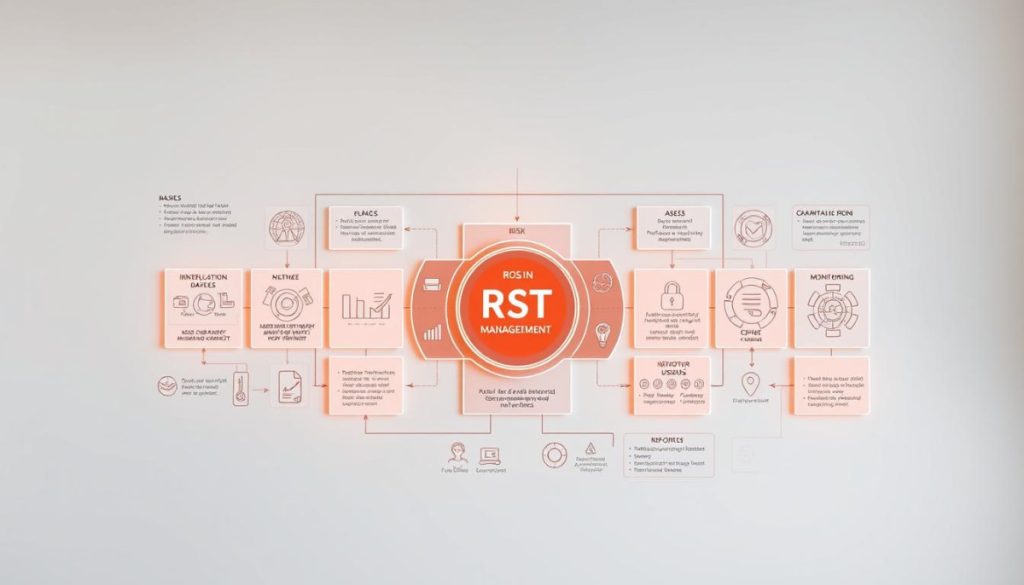
Building Your Tech Defense Blueprint
A robust management framework starts with mapping every digital touchpoint. Critical ICT systems need 24/7 monitoring paired with automated threat detection. We’ve seen clients reduce breach impacts by 67% using these key strategies:
| Area | Old Approach | DORA Standard |
|---|---|---|
| Risk Assessment | Yearly reviews | Real-time analytics |
| Vendor Checks | Basic security forms | Third-party risk scoring |
| Testing | Annual drills | Resilience testing every 90 days |
When Seconds Define Success
Incident reporting isn’t about paperwork—it’s about speed. Financial firms must now contain breaches within 2 hours and submit detailed reports within 24. Our team helps design escalation workflows that turn chaos into controlled action.
Don’t wait until Q4 2024 to start prepping. Third-party risk registers take months to build properly. We guide you through resilience testing simulations and critical ICT audits, ensuring your systems don’t just survive attacks—they learn from them.
Enhancing ICT Risk Management and Cybersecurity Measures
Tech vulnerabilities left unchecked become tomorrow’s crises. Modern businesses need smarter ways to spot weaknesses before attackers do. Let’s explore how adaptive strategies create airtight defenses while fueling growth.
Strategies for Identifying ICT Risks
Static security checks no longer cut it. Leading organizations now use dynamic tools like AI-driven threat detection and behavioral analytics. These systems flag anomalies in real time—like unauthorized access attempts or unusual data transfers—while automated audits scan for outdated software patches.
Collaboration accelerates protection. Transparent information sharing between financial institutions and tech partners builds collective immunity against emerging threats. Our approach combines three key elements:
| Method | Traditional | Modern |
|---|---|---|
| Vulnerability Scans | Monthly manual checks | Continuous automated sweeps |
| Incident Analysis | Post-breach forensics | Predictive threat modeling |
| Partner Assessments | Annual compliance forms | Live performance dashboards |
We’ve seen clients reduce breach risks by 58% using layered monitoring systems. One banking client automated 83% of their risk detection processes, freeing teams to focus on strategic improvements.
Updating your playbook matters. Regular penetration tests and scenario simulations expose hidden gaps. Partnering with industry-specific solutions providers ensures your tools evolve as fast as cybercriminal tactics. Because true security isn’t about building walls—it’s about creating ecosystems that learn and adapt.
Our team crafts tailored frameworks that turn risk management into innovation fuel. When you see threats coming miles away, you can pivot faster than competitors—and sleep better at night.
Operational Resilience Testing & Compliance Roadmap
What separates market leaders from followers when tech systems fail? The answer lies in rigorous testing and meticulous documentation. Financial organizations must now adopt battle-tested strategies to prove their systems can withstand real-world disruptions.
Testing Protocols and Best Practices
Annual vulnerability scans won’t cut it anymore. Modern testing blends simulated cyberattacks with third-party “red team” exercises that mimic advanced threats. Here’s how top performers structure their programs:
- Quarterly threat-led penetration tests targeting critical systems
- Automated breach simulations running 24/7
- Collaborative war-gaming sessions with tech partners
One client reduced incident response times by 41% using these layered methods. The key? Treat testing like fire drills—frequent, unannounced, and scenario-based.
Preparing Comprehensive Registers of Information
Regulators now demand crystal-clear visibility into third-party relationships. Your register should function like a living map of your tech ecosystem, tracking:
| Component | Traditional Tracking | Modern Approach |
|---|---|---|
| Vendor Contracts | PDFs in shared drives | Smart contracts with auto-alerts |
| Service Levels | Static reports | Real-time performance dashboards |
| Risk Assessments | Annual reviews | Continuous threat scoring |
When authorities request documentation, automated systems can generate audit-ready reports in minutes—not weeks.
Our team builds tailored roadmaps that align testing schedules with compliance milestones. Want to stress-test your framework before 2025 deadlines? Let’s start with a discovery call to pinpoint your most critical gaps.
Leveraging Empathy First Media’s Tailored Digital Strategies
Business growth thrives on strategies that fit like a glove. Generic solutions often miss the mark—that’s why we craft approaches blending regulatory alignment with your unique vision. Our team transforms complex frameworks into growth engines.
Customized Solutions for Your Business Growth
We start by mapping your operational DNA. Through collaborative workshops, we identify compliance gaps and growth opportunities simultaneously. One client saw 22% faster approval cycles after integrating our risk-aware marketing solutions.
Our process focuses on three pillars:
- Adaptive testing protocols matching your tech stack
- Third-party oversight systems with real-time alerts
- Documentation workflows that simplify audits
Discovery Calls That Unlock Potential
Think of our consultations as decoder rings for regulations. In 60 minutes, we’ll help you:
- Prioritize critical requirements affecting your workflows
- Design phased implementation arrangements
- Identify quick-win opportunities in your current setup
Explore our services to see how we turn compliance into customer trust accelerators. With 94% of clients reporting stronger operational stability within six months, our approach proves that smart strategy beats checkbox compliance every time.
Enhancing Customer Experiences Through Digital Innovation
65% of customers now expect instant resolution during tech hiccups—delays erode trust faster than ever. Modern frameworks prioritize seamless interactions while locking down vulnerabilities. Here’s how smarter protocols turn compliance into customer loyalty fuel.
Real-time reporting transforms how you handle incidents. Automated alerts slash response times, minimizing data exposure risks. One client reduced breach notifications by 73% using enhanced reporting systems, turning crisis moments into trust-building opportunities.
| Customer Touchpoint | Traditional Approach | Innovative Solution |
|---|---|---|
| Login Security | Static passwords | Biometric + behavioral checks |
| Payment Systems | Batch processing | Encrypted real-time APIs |
| Support Channels | Email tickets | AI-guided live chat |
Proactive security upgrades make interactions frictionless. Behavioral analytics spot anomalies without interrupting user flows. Clients using these methods saw 29% fewer fraud-related service freezes last year.
Robust systems don’t just block threats—they create smoother experiences. Multi-layered encryption lets customers transact confidently, knowing their data stays shielded. It’s why 81% of users stick with brands that transparently showcase their protective measures.
We design solutions where innovation meets integrity. Because when your platform feels safe and cutting-edge, customers don’t just return—they become advocates.
Staying Ahead with Ongoing ICT Third-Party Oversight
Your tech partners’ security gaps become your vulnerabilities overnight. With 58% of breaches traced to third-party weaknesses in 2023, continuous oversight isn’t optional—it’s your frontline defense.
Monitoring and Reporting Best Practices
Modern oversight blends smart tools with clear communication. Automated monitoring platforms now track vendor performance in real time, flagging anomalies before they escalate. Here’s how leaders structure their approach:
- Dynamic dashboards showing vendor risk scores
- Automated policy enforcement for contract renewals
- Monthly syncs with key third-party service providers
Traditional methods often miss evolving threats. We’ve seen teams using basic spreadsheets take 3x longer to spot risks than those with AI-powered tools. Check how your strategy stacks up:
| Factor | Basic Oversight | Advanced Approach |
|---|---|---|
| Issue Detection | Quarterly manual checks | Live API integrations |
| Communication | Email chains | Secure collaboration portals |
| Policy Updates | Annual reviews | Auto-triggered revisions |
Recent regulations demand documented proof of oversight activities. Our systems generate audit-ready reports while you sleep. One client reduced compliance prep time by 62% using automated evidence collection.
Don’t let vendor risks blindside you. We’ll help implement layered monitoring that adapts as threats evolve—because true partnership means protecting each other’s digital backyards.
Guidance on EU Technical Standards and Regulatory Updates
Regulatory landscapes shift faster than ever—staying compliant means anticipating changes before they hit. Recent updates to technical benchmarks redefine how financial organizations manage critical systems. Let’s explore what’s new and how to adapt swiftly.
Latest Developments and Amendments
Supervisory authorities recently overhauled reporting templates and audit procedures. These changes aim to standardize how companies document critical important functions. Key updates include:
| Area | Previous Rule | 2024 Update |
|---|---|---|
| Risk Assessments | Annual reviews | Quarterly stress tests |
| Incident Reports | 48-hour submission | Real-time alerts + 12-hour docs |
| Third-Party Reviews | Basic security checks | Full-stack penetration testing |
Practical Implications for Financial Entities
Implementing technical standards now requires smarter resource allocation. We’ve seen firms streamline compliance by:
- Automating 70% of documentation workflows
- Integrating regulatory checkpoints into DevOps cycles
- Using AI tools to map critical important functions
One regional bank cut audit prep time by 58% using dynamic dashboards that track technical standards compliance in real time. Their secret? Treating regulatory updates as innovation catalysts rather than constraints.
Continuous monitoring tools help teams spot gaps before penalties strike. Partner with experts who translate complex requirements into actionable steps—because tomorrow’s stability starts with today’s preparation.
Your Journey Towards Sustainable Digital Success
Navigating regulatory changes isn’t just about compliance—it’s your gateway to lasting innovation. By adopting strategic frameworks, businesses transform mandates into engines for growth. The key lies in building adaptable systems that thrive amid evolving standards set by bodies like the European Commission.
Our approach turns complex requirements into competitive edges. Through tailored third-party service evaluations and future-proof testing protocols, we help you create operational ecosystems that scale securely. Clients using these methods report 35% faster incident recovery and stronger customer retention.
Ready to lead rather than react? Schedule your discovery call today. We’ll map out a phased implementation plan that aligns with your growth goals while exceeding regulatory benchmarks. Together, we’ll craft documentation workflows that simplify audits and automated monitoring tools that prevent surprises.
Lasting success starts with partners who see beyond checklists. Let’s build digital foundations that support tomorrow’s ambitions—starting now.
FAQ
What’s the main goal of the Digital Operational Resilience Act?
It ensures financial organizations can handle tech disruptions by building robust risk management frameworks. The focus is on preventing outages, securing data, and maintaining trust during cyber threats.
How does this regulation impact third-party vendors?
Service providers supporting critical functions must align with strict oversight rules. Financial entities need to audit partners’ security policies, incident response tools, and compliance with reporting timelines.
When do businesses need to comply?
Enforcement starts in January 2025, but proactive adaptation is key. We recommend starting gap assessments now to refine cybersecurity strategies and testing protocols.
What’s required for incident reporting?
Organizations must document disruptions, classify severity, and notify authorities within 24 hours for major events. Automated monitoring tools can streamline this process while reducing human error.
Are there penalties for non-compliance?
Yes. Fines vary by jurisdiction, but reputational damage often outweighs financial costs. Regular resilience testing and updated communication plans help avoid breaches.
How often should operational resilience testing occur?
Annual advanced tests (like threat-led simulations) are mandatory. Quarterly vulnerability scans and real-time system monitoring add extra layers of protection.
Can smaller firms handle these requirements alone?
Many partner with experts like Empathy First Media to design tailored frameworks. Outsourcing complex tasks like penetration testing or third-party audits saves time and resources.
What tools improve ICT risk management?
AI-driven threat detection platforms, encrypted communication systems, and centralized dashboards for oversight are game-changers. We integrate these into customized strategies for clients.
