

How to Use PR for LLMO Search Rankings: A Step-by-Step Guide

LLMO (Large Language Model Optimization) isn’t just another digital marketing buzzword. It’s changing how people find information online. Since ChatGPT launched in November 2022, consumers have started skipping traditional search engines in favor of these conversational AI tools.
The numbers tell a compelling story. Recent research shows 40% of Search Engine Results Pages now display AI Overviews, up from 25% in August 2024. This shift demands a fresh approach to your brand’s online visibility strategy.
When your customers turn to LLMs for answers, two factors become crucial: content structure and authority. AI searches focus primarily on finding information, not selling products. Getting your brand mentioned in trusted news sites dramatically increases your chances of appearing in AI-generated responses.
With Google controlling 91% of the global search market, mastering both traditional and AI-powered search optimization isn’t optional—it’s essential for PR success. AI models don’t just look at keywords. They prioritize content that matches user intent and provides authoritative information.
We don’t just theorize about LLMO—we help you implement it. This guide walks you through adapting your PR strategy for LLMO success. We’ll cover everything from the fundamental differences between LLMO and SEO to specific tactics that make your brand stand out in AI-powered results.
What is LLMO and How It Differs from SEO
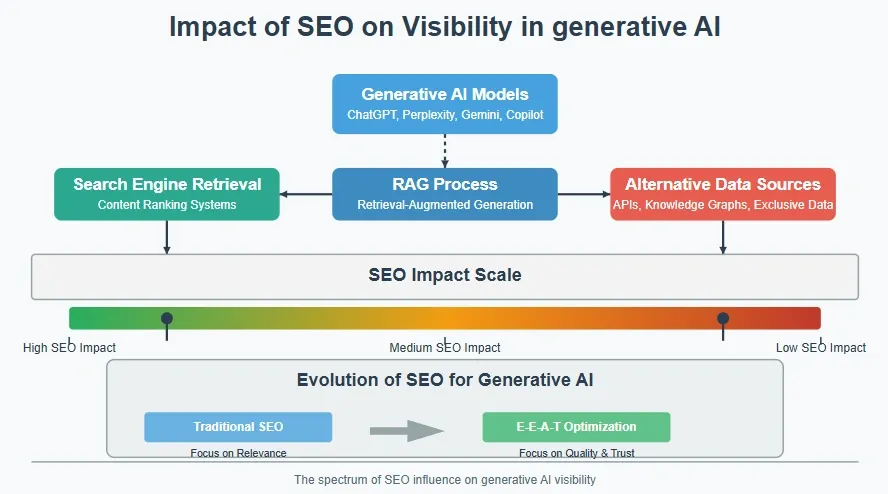
Image Source: Online Marketing Consulting
The digital marketing world doesn’t stand still. Large Language Model Optimization (LLMO) marks the next chapter in how brands connect with their audiences through AI-powered interfaces.
LLMO Explained Simply
LLMO vs SEO: Different Rules for Different Games
SEO still matters, but LLMO plays by different rules:
- Content evaluation: SEO loves keywords and backlinks.
LLMO prefers semantic clarity, structure, and machine readability . - Authority signals: SEO measures domain authority and backlinks.
LLMO looks at brand mentions across training data and contextual relevance . Content structure: LLMO rewards well-organized content with clear headings, structured data, and factual statements AI can easily process .- Success metrics: Forget rankings and traffic.
LLMO measures citation frequency and inclusion in AI-generated answers .
LLMO also prioritizes conversational context over keyword density.
PR Takes Center Stage in LLMO
Why does PR matter more than ever?
What is LLMO and How It Differs from SEO
!Image
Image Source: Online Marketing Consulting
The digital landscape keeps evolving beyond traditional search engines. Large Language Model Optimization (LLMO) isn’t just the next trend—it’s the next frontier in how brands connect with audiences through AI-powered interfaces.
Understanding LLMO meaning and purpose
LLMO focuses on structuring digital content so AI systems like Google AI Overview, ChatGPT, and voice-based search can understand, extract, and reuse it accurately. Unlike traditional SEO, LLMO makes your content comprehensible to machine learning systems rather than just optimizing for search rankings.
At its core, LLMO centers on how AI systems understand your content, not just where it ranks. This approach ensures that when people ask AI tools questions about your industry, your brand appears within the answer itself—not just in a list of search results.
LLMO serves two primary purposes: getting your content cited by AI systems and having your brand mentioned in AI-generated responses. This marks a fundamental shift in visibility strategy as more consumers turn to AI assistants for information.
LLMO vs SEO: Key differences in ranking logic
Traditional SEO remains important, but LLMO plays by different rules:
- Content evaluation: SEO prioritizes keywords and backlinks. LLMO values semantic clarity, structure, and machine readability.
- Authority signals: SEO weighs domain authority and backlinks heavily. LLMO looks at brand mentions across training data and contextual relevance.
- Content structure: LLMO favors well-organized content with clear headings, structured data, and factual statements that AI can easily parse.
- Success metrics: Instead of rankings and traffic, LLMO measures citation frequency and inclusion in AI-generated answers.
LLMO focuses on conversational context rather than keyword density. Your content needs to directly address potential questions with clear, comprehensive answers. AI models process information more like humans do—grasping context, evaluating authority, and seeking direct answers.
Why PR is more important in LLMO
Public relations takes center stage in LLMO strategy for several reasons. First, earned media coverage from reputable publications boosts your brand authority in AI systems. These third-party validations act as credibility signals that increase your chances of appearing in AI-generated results.
AI models gather information from diverse public sources—articles, reviews, news, and social conversations. Widespread positive mentions across these channels signal to AI systems that your brand matters in your space.
The fundamental shift is that citation optimization now outweighs traditional backlinks. Getting your brand cited by credible, widely recognized sources—even without links to your site—strengthens your position in AI-generated results.
PR professionals who create valuable, structured content for both humans and machines now play a crucial role in search visibility. By securing brand mentions across authoritative contexts, PR directly influences how frequently and favorably AI systems reference your company.
Using PR to Build Authority in AI Search
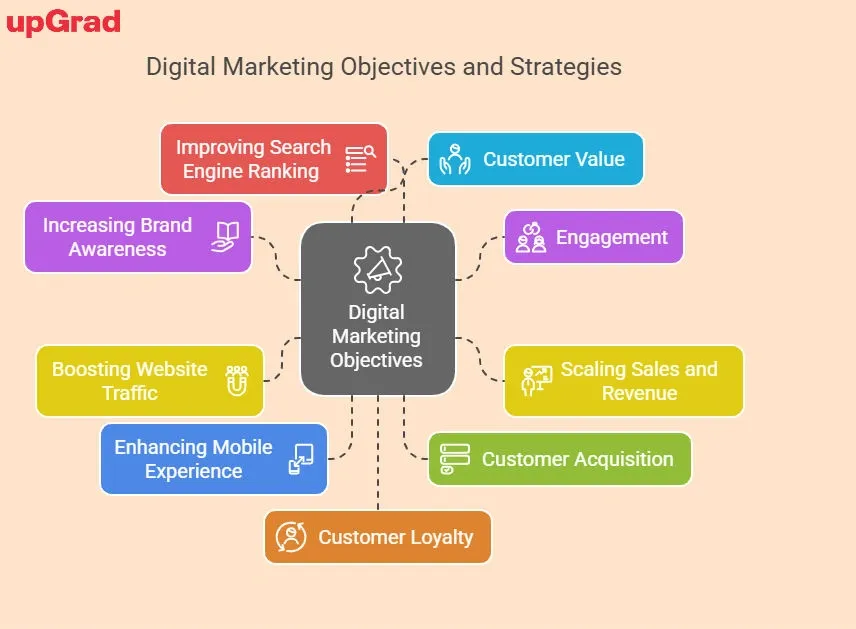
Image Source: upGrad
PR isn’t just about press releases anymore. The game has changed. When AI systems decide what information to show users, your brand’s mentions across the web become your ticket to visibility.
Earned media vs owned media in LLMO
The difference between earned and owned media matters more than ever in your LLMO strategy. Earned media is publicity you don’t pay for directly—media coverage, reviews, social mentions, and expert endorsements. Owned media is content you create and control—your website, blogs, and social profiles.
For AI systems, earned media carries extra weight.
Your owned content still matters. But the sweet spot? A mix of quality earned content (media mentions, podcast appearances, backlinks) working alongside owned content (blogs, white papers).
How to get cited by trusted sources
Getting mentioned by authoritative sources takes strategic PR work.
- Build relationships with journalists and industry influencers for mentions in trusted publications
- Share your expertise through commentary in news articles and industry reports
- Get included in “best of” lists on respected websites
- Join conversations on platforms like Quora and Reddit
- Collect and showcase customer reviews
- Create clean, well-structured press releases that AI systems can easily process
Before starting outreach, test how AI tools respond to questions in your industry. Try ChatGPT, Gemini, and Perplexity AI.
The power of co-occurrence in content strategy
Co-occurrence optimization is a powerful but often overlooked LLMO tactic.
Smart co-occurrence strategies eventually place your brand into the knowledge graph that AI systems reference—weaving you into the information fabric these systems draw from. This approach goes beyond traditional SEO rankings to build the contextual relevance that AI prioritizes.
Step-by-Step PR Tactics for LLMO Success

Image Source: PRLab
Smart PR tactics don’t just build brand awareness—they make your brand visible to AI systems. We’ve developed a practical approach that helps your business become more discoverable in LLM search results.
1. Write structured, factual press releases
Press releases aren’t outdated—they’re powerful tools for brand visibility in the LLMO era. AI models crave clean, organized data.
Keep your press releases between 300-500 words with:
- Clear headlines and subheadings that improve readability
- Verifiable data points from credible sources
- Multiple formats (text, video, infographics) that expand your reach
2. Pitch to high-authority publications
AI models trust information from authoritative sources.
To boost your pitching success:
- Respond quickly to journalist queries on platforms like HARO and Qwoted
- Provide concise, quote-ready snippets from your existing content
- Focus on publications with domain authority in your specific niche
3. Encourage expert mentions and reviews
Third-party validation builds your brand’s credibility in AI-generated results.
- Contribute to expert roundups on trending topics
- Join industry panels or webinars alongside complementary brands
- Nominate yourself for industry awards that generate media coverage
- Ask satisfied clients for profile spotlights on their websites
4. Maintain consistent brand messaging
Focus your consistency efforts on:
- Visual identity across all platforms
- Messaging that aligns with your core brand values
- Customer experience at every touchpoint
5. Centralize content in an online newsroom
- Maintain an AI-friendly structure with intuitive navigation
- Include structured data that helps AI categorize your content
- Interlink between content pieces to show relationships
- Update regularly with fresh information to maintain relevance
These PR tactics aren’t just theory—they’re practical steps that build the authority and visibility your brand needs in the evolving LLMO landscape. We don’t just suggest these tactics—we help you implement them effectively for measurable results.
Optimizing Your Website for AI Discoverability

Image Source: BlueTone Media
Your website serves as the foundation of your digital presence. Beyond PR strategies, technical website optimization plays a crucial role in helping AI systems discover and understand your content. These optimizations directly affect how LLMs interpret and cite your brand in responses.
Use schema markup and structured data
Schema markup isn’t just technical jargon—it’s your direct line of communication with AI systems. This code tells LLMs exactly what your content means and how it fits into broader contexts.
The numbers show why this matters:
- Food Network saw a 35% increase in visits after adding schema markup
Nestlé reported that pages with structured data have an 82% higher click-through rate than standard listings
We recommend focusing on these key schema types for LLMO:
- FAQPage for question-answer content
- HowTo for instructional content
- Article for blog content
- Product for merchandise pages
Update and interlink content regularly
Fresh content keeps AI systems engaged with your site.
Interlinking doesn’t just help human visitors navigate your site—it creates meaningful connections between content pieces that help AI understand the relationships between topics. This strengthens domain authority by demonstrating topic expertise across multiple pages.
Ensure AI crawlers can access your site
AI can’t discover what it can’t see. For your content to appear in AI responses, the relevant crawlers must be able to access it.
Setting up proper permissions via robots.txt helps you balance visibility with data protection.
Smart automation saves time.
Conclusion
The digital world has changed. Large Language Model Optimization isn’t just another trend—it’s reshaping how your customers find information. Throughout this guide, we’ve shown how AI-powered search differs from traditional SEO and why it demands a fresh approach to online visibility. LLMO goes beyond keywords. It requires authoritative content, strategic PR placement, and technical precision to ensure AI systems mention your brand when users ask questions.
PR isn’t just important for LLMO—it’s essential. Earned media from trusted publications, expert mentions, and consistent messaging across platforms directly impact whether your brand appears in AI-generated responses. Well-structured press releases and strategic topic associations create the contextual links that LLMs recognize when generating answers.
Smart LLMO strategy combines immediate tactics with long-term vision. Schema markup implementation, regular content updates, and proper crawler access provide the technical foundation. Most importantly, building relationships with journalists and securing placements in high-authority publications creates the citation network that drives LLMO success. We recommend you Schedule A Discovery Call With the LLMO and AI Experts at Empathy First Media to develop a customized LLMO strategy for your unique brand position.
This shift toward AI-driven search creates both challenges and opportunities. Companies that adapt their digital strategies now will gain competitive advantages as consumer behavior evolves. The future belongs to brands that integrate PR excellence with technical optimization—creating content that connects with both human readers and AI systems.
FAQs
Q1. What is LLMO and how does it differ from traditional SEO?
LLMO (Large Language Model Optimization) focuses on making content understandable to AI systems, prioritizing semantic clarity and structure. Unlike SEO, which emphasizes keywords and backlinks, LLMO aims to get your brand cited and mentioned in AI-generated responses.
Q2. How can PR professionals adapt their strategies for LLMO success?
PR professionals should focus on securing mentions in high-authority publications, encouraging expert reviews, maintaining consistent brand messaging, and centralizing content in an online newsroom. These tactics help build credibility and visibility in AI-generated search results.
Q3. What role does structured data play in LLMO?
Structured data, such as schema markup, provides explicit clues about your content’s meaning and context to AI systems. Implementing structured data can significantly improve your content’s discoverability and interpretation by large language models.
Q4. How important is earned media in LLMO strategy?
Earned media is crucial in LLMO strategy as it carries more weight than owned media. Getting mentioned by reputable sources increases the likelihood of your brand being referenced by AI systems in relevant queries, establishing credibility with both humans and AI.
Q5. What are some key steps to optimize a website for AI discoverability?
To optimize your website for AI discoverability, use schema markup and structured data, regularly update and interlink your content, and ensure AI crawlers can access your site. These steps help AI systems better understand, index, and reference your content in search results.
