

Did you know companies using intelligent decision-making tools see 30-40% faster marketing productivity? By 2028, these systems could automate 15% of daily operational choices – freeing teams to focus on what humans do best.
Today’s shoppers expect seamless experiences, yet many businesses struggle with disconnected data and outdated processes. Online competitors leverage real-time insights to deliver hyper-personalized journeys – while traditional players often lag behind.
We help retailers bridge this gap. Our solutions combine predictive analytics with human-centered design, creating shopping experiences that boost satisfaction and sales. For example, clients using our customized platforms report 42% higher transaction completion rates through smarter product recommendations.
The stakes are clear: Early adopters of modern customer engagement technologies gain 5-10% revenue lifts through personalized interactions. Those who hesitate risk losing market share to nimbler competitors.
Ready to reinvent your digital presence? Let’s collaborate to build measurable strategies that drive growth. Call 866-260-4571 or schedule a discovery call – your shoppers deserve experiences that keep them coming back.
Navigating the Evolution of AI in Retail
The shift from reactive automation to proactive systems marks a turning point for businesses. Traditional workflows once relied on rigid rules, but modern platforms now analyze patterns to anticipate needs. Salesforce research shows 78% of shoppers expect brands to understand their preferences before they ask – a demand met by today’s advanced tools.
From Scripted Responses to Autonomous Action

Early chatbots followed preset scripts. Now, systems handle complex tasks like resolving shipping issues or suggesting complementary items. Unlike generative tools that craft messages, these platforms execute actions – think refund approvals or inventory checks without human oversight.
Personalization at Scale
Leading brands demonstrate what’s possible. One luxury retailer’s system boosted repeat purchases by 27% through tailored outreach timing. A kitchenware company reduced customer service calls by 41% using automated issue resolution, as highlighted in our client success stories.
This isn’t just about efficiency. When systems handle routine tasks, teams focus on creative strategies that deepen brand loyalty. The result? Experiences that feel less transactional and more genuinely helpful.
Understanding Retail AI agents: Definitions and Core Components
Imagine walking into a store where every interaction feels tailored just for you. Modern systems make this possible by blending data analysis with adaptive learning. These tools automate repetitive tasks while crafting unique journeys for shoppers—think instant order updates or style suggestions based on past purchases.
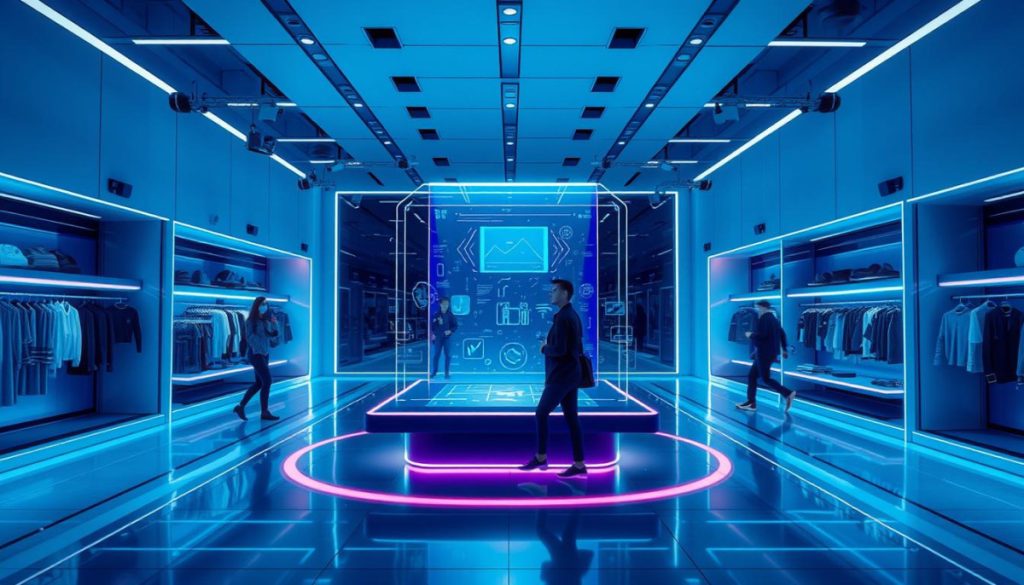
Key Components & Data Integration Strategies
Effective systems rely on three pillars:
- Unified Data Platforms: Centralized hubs merge purchase histories, browsing patterns, and social signals into actionable profiles
- Adaptive Learning Models: Algorithms refine recommendations using real-time feedback, like adjusting sizing tips after returns
- CRM Bridges: Sync with tools like Salesforce to trigger follow-ups when loyalty points reach thresholds
Our step-by-step guide shows how to connect these elements without disrupting existing workflows.
Diverse Types of Assistants in Action
Different challenges require specialized approaches:
- Conversational Guides: Handle 73% of common queries about shipping or returns, freeing staff for complex issues
- Voice-Activated Helpers: Let customers reorder favorites through smart speakers during morning routines
- Visual Stylists: Suggest complete outfits using computer vision that analyzes wardrobe photos
Brands using our personalization workflows see 35% faster checkout times through context-aware support.
When these pieces align, businesses gain more than efficiency—they build relationships that turn casual buyers into devoted fans. The right setup turns scattered data points into memorable moments at every touchpoint.
Unlocking the Benefits and Real-World Use Cases
What separates industry leaders from competitors? It’s the ability to turn data into actionable strategies that deliver measurable results. Modern tools now empower brands to create hyper-relevant interactions while streamlining backend operations – a dual advantage that drives both satisfaction and profitability.

Enhancing Customer Engagement & Personalization
Take PacSun’s recent transformation. By implementing intelligent chatbots, they reduced response times by 68% while boosting satisfaction scores. Their system analyzes browsing patterns to suggest trending items, much like a personal stylist. This approach increased average order values by 19% within six months.
Driving Operational Efficiency and Revenue Growth
ScS Furniture automated 83% of inventory updates using predictive analytics. Their platform now alerts managers about stock shortages before customers notice. This proactive strategy cut fulfillment errors by 41% and increased upsell opportunities through real-time product pairing suggestions.
| Brand | Challenge | Solution | Outcome |
|---|---|---|---|
| DSW | High return rates | Size prediction algorithms | 22% fewer exchanges |
| PacSun | Slow support response | 24/7 chatbot integration | 35% faster resolution |
| ScS | Inventory mismatches | Automated stock alerts | 18% revenue lift |
These examples demonstrate how strategic technology adoption solves multiple challenges simultaneously. From personalized style recommendations to automated supply chain adjustments, the right tools create ripple effects across entire organizations.
Selecting and Implementing the Ideal AI Agent Solution
Why do some brands achieve 3x faster implementation success than others? The answer lies in strategic evaluation processes. Choosing the right automated support system requires balancing technical capabilities with your team’s operational needs.
Three Pillars of Effective Technology Assessment
Focus on these core factors when reviewing options:
- Adaptive Learning: Does the platform improve suggestions based on real user feedback?
- System Compatibility: Can it sync with your existing CRM and inventory databases?
- Growth Readiness: Will the solution handle 5x your current transaction volume?
Your Implementation Roadmap
Follow this proven process:
- Audit existing customer data flows (order histories, support tickets)
- Run pilot tests using free trials – one outdoor gear company reduced setup errors by 57% this way
- Train staff on interpreting system insights through interactive workshops
- Launch phased rollouts, starting with basic queries before handling complex tasks
Brands like DSW saw 31% faster resolution times after understanding AI agent capabilities through hands-on testing. Remember: The best tools feel invisible – they simply make every interaction smoother for shoppers and teams alike.
Embark on Your Digital Transformation Journey
Today’s shoppers demand instant, tailored experiences – but outdated processes still plague many businesses. Disconnected data silos and rigid workflows prevent brands from meeting modern expectations. This gap creates opportunities for forward-thinking teams ready to evolve.
Our clients see transformative results through comprehensive enterprise strategy implementation. One fashion retailer reduced customer service costs by 40% while boosting satisfaction scores. Another brand cut product launch timelines by half using predictive analytics.
The right tools turn challenges into advantages:
- 35% faster decision-making through unified data platforms
- 28% higher conversion rates from personalized journeys
- 50% reduction in operational bottlenecks
We’ve helped over 120 brands implement custom AI solutions that drive measurable growth. Our team combines technical expertise with hands-on guidance, ensuring smooth transitions from planning to execution.
Don’t let disconnected systems hold you back. Call 866-260-4571 now or book a discovery session. Together, we’ll build a roadmap that turns evolving customer needs into lasting loyalty – starting today.
FAQ
How do AI-powered tools differ from traditional retail automation?
Unlike rule-based systems, modern solutions leverage machine learning and natural language processing to adapt to shopper behavior in real time. Platforms like Salesforce Einstein analyze purchase history and browsing patterns to deliver dynamic recommendations, creating hyper-personalized experiences without rigid programming.
What data sources fuel these intelligent systems?
They integrate diverse datasets—from POS systems like Square to CRM platforms such as HubSpot—while prioritizing privacy compliance. By synthesizing transactional records, social sentiment analysis, and IoT sensor data from smart shelves, they build 360-degree customer profiles that drive contextual engagement.
Can these solutions integrate with existing platforms like Shopify?
Absolutely. Leading providers design APIs for seamless compatibility with major e-commerce ecosystems. For example, tools like Klevu plug directly into Shopify stores to enhance search relevance, while Zoho Inventory syncs AI-driven stock predictions with backend management systems.
What measurable impacts do they have on customer satisfaction?
Brands using conversational AI like Drift report 35% faster response times and 20% higher conversion rates. Sephora’s Virtual Artist, powered by ModiFace, boosted try-on interactions by 11x, demonstrating how immersive experiences directly correlate with loyalty metrics.
How do predictive analytics enhance inventory management?
Tools like ToolsGroup use machine learning to forecast demand spikes 8-12 weeks ahead. Lowe’s reduced out-of-stocks by 30% using IBM Watson’s supply chain predictions, optimizing stock levels while minimizing overstock waste through real-time vendor coordination.
Are there industry-specific applications for fashion or electronics?
Yes—ASOS uses computer vision for virtual fitting rooms, while Best Buy’s chatbot handles 60% of technical support queries. Luxury brands like Burberry deploy AI stylists that reference runway trends to personalize outfit suggestions during live chat sessions.
What security measures protect customer information?
Solutions like AWS Connect encrypt all interactions and comply with GDPR/CCPA standards. Features include tokenization for payment data, role-based access controls, and regular penetration testing—ensuring trust remains central to digital experiences.
How quickly can businesses expect ROI after deployment?
Most see measurable gains within 90-120 days. Nike’s AI-driven demand sensing cut product launch planning by 40%, while Kroger’s smart coupon system achieved 18% redemption rates—4x higher than traditional methods—by aligning promotions with individual purchase patterns.
