

How to Build a PR Strategy That Masters Both Proactive and Reactive Approaches

Did you know that only 21% of communications leaders rate their ability to prevent crises as “excellent“?
The 2025 Comms Report by Cision/PRWeek tells us something PR teams already feel – most professionals face mounting pressure to “do more with less.”
More revealing is their finding that the biggest roadblock to effective communications is “a strategy that is too reactive versus proactive.”
This pinpoints a real challenge in PR today.
Reactive PR helps you address negative events quickly and control your narrative before situations escalate.
Proactive PR, on the other hand, lets you shape public perception, establish your brand as an industry leader, and build a positive reputation over time.
Smart PR isn’t choosing sides – it’s mastering both approaches.
Your PR strategy needs balance.
By integrating reactive and proactive elements, you gain dual strength: handling immediate threats while systematically building brand credibility and awareness.
We’ll show you how to create a PR strategy that combines these approaches effectively. You’ll learn to control your message, keep costs manageable, and build credibility – even when facing unexpected challenges.
Understanding Proactive and Reactive PR
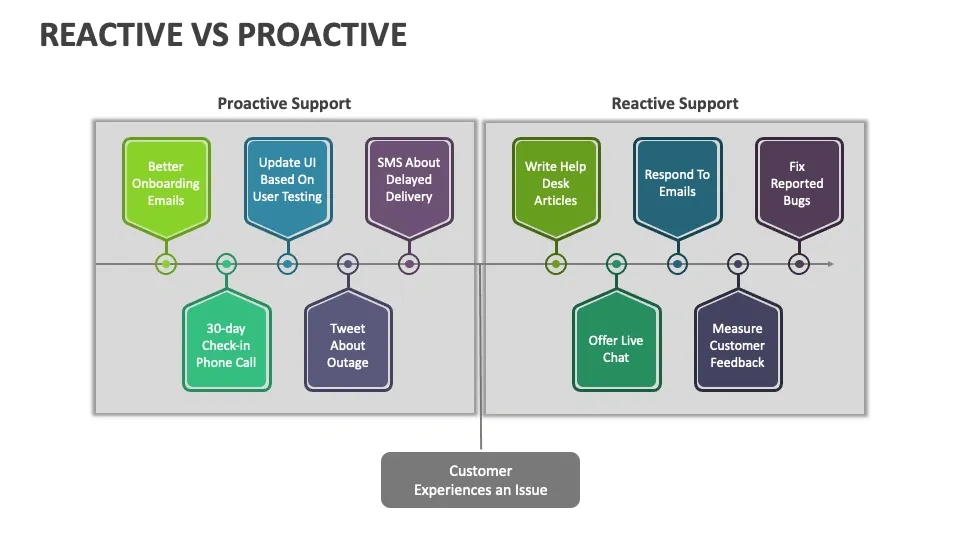
Image Source: Collidu
PR success doesn’t happen by accident. Your strategy needs two fundamental approaches working together: proactive and reactive PR.
What is proactive public relations?
Proactive PR anticipates communication challenges and opportunities before they appear.
This forward-thinking approach lets you shape public perception rather than simply responding to events.
We help you take control of your narrative through carefully planned communication strategies.
This includes developing clear messaging, monitoring industry trends, and preparing thoughtful responses in advance.
With proactive PR, we identify and tell stories that showcase what makes your organization unique and compelling.
This approach involves active outreach – seeking media opportunities, developing thought leadership content, and building strong relationships with journalists and influencers.
What is reactive public relations?
Reactive PR focuses on responsiveness. This approach quickly addresses events, breaking news, trends, crises, or discussions relevant to your brand or industry.
Media monitoring forms the foundation of reactive PR, helping you track news and social platforms to spot relevant opportunities or risks.
Reactive PR includes rapid response to media inquiries, crisis management, and newsjacking – using breaking news stories to gain visibility.
Rather than creating news, reactive PR waits until news emerges and then responds accordingly.
This becomes crucial during crisis management when you need to address negative publicity promptly and transparently.
Proactive vs reactive communication: key differences
The main distinction between these approaches is timing and initiative.
Proactive PR involves planning and executing strategies in advance, while reactive PR responds to external events as they happen.
Proactive PR gives you greater control over your narrative. Instead of constantly reacting, you shape conversations consistently across all your communication channels.
Reactive PR, on the other hand, helps you stay relevant by participating in current conversations and demonstrating responsiveness to stakeholders. This approach shines during crisis management, helping minimize potential reputation damage.
Despite their differences, both approaches are essential parts of an effective PR strategy. Proactive efforts establish your brand identity and build relationships, while reactive approaches enable timely responses to emerging opportunities and challenges.
When to Use Each Approach
Knowing when to use proactive versus reactive PR makes the difference between a good strategy and a great one.
The best PR teams don’t choose sides – they master both worlds simultaneously.
Scenarios best suited for proactive PR
Proactive PR works best during planned business milestones.
Product launches, rebranding efforts, and new service rollouts all benefit from shaping public perception ahead of time.
These planned moments give you maximum control over your message and timing.
Educational campaigns also thrive with proactive approaches, especially when clients need to learn about solutions they didn’t know existed.
Proactive PR builds market credibility and establishes thought leadership.
When you organize events, create insightful content, and align with your social media strategy, you position your brand as an authority.
This approach helps you craft a consistent brand voice that builds immediate trust with your audience.
Situations that call for reactive PR
Reactive PR becomes essential during crisis management situations.
When negative publicity or criticism emerges, quick responses help protect both reputation and finances.
Monitoring news cycles and industry trends gives you early warning before issues grow into full-blown crises.
Reactive PR also shines when breaking news or trending topics create opportunities.
Smart companies gain significant media exposure by responding thoughtfully to cultural moments.
This approach lets you join current conversations, boosting visibility and audience engagement.
How business type influences PR strategy
Your industry significantly shapes which PR approach should dominate your strategy.
B2B companies typically need more proactive PR to build credibility in competitive markets.
Public sector organizations often require stronger reactive capabilities due to heightened public scrutiny.
Finding the right balance depends on your specific industry, audience, and business goals.
Companies looking to establish strong market positions might prioritize proactive strategies.
Those frequently facing public challenges need robust reactive systems ready at a moment’s notice.
Steps to Build a Combined PR Strategy
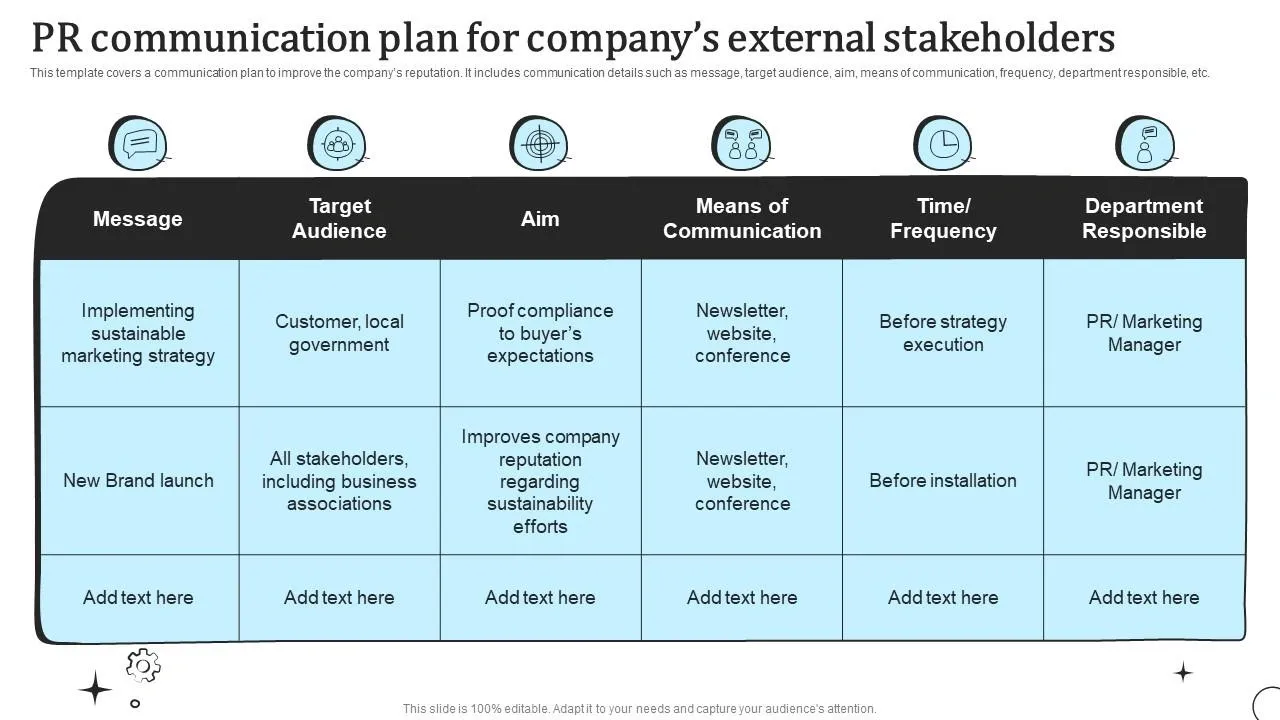
Creating a PR strategy that works requires both planning and flexibility.
We’ll help you build a framework that shapes your narrative while preparing you for unexpected challenges.
1. Define your communication goals
Start with clear, specific objectives for your PR efforts. We recommend developing SMART targets that connect directly to business outcomes.
Whether you want more brand awareness, higher sales, or an enhanced reputation, measurable goals focus your PR activities on delivering real results.
These goals become the foundation for both your planned initiatives and crisis responses.
2. Set up media monitoring and social listening
We help you implement monitoring systems to track conversations about your brand, competitors, and industry.
This creates an early warning system for potential issues while revealing opportunities for proactive engagement.
Set up alerts for specific keywords and topics relevant to your business.
Social listening provides valuable audience insights that guide more effective communication when properly implemented.
3. Create a proactive content calendar
Your PR calendar should map out planned initiatives, industry events, and seasonal themes.
Include pitch timing, content deadlines, and publication schedules—remembering that print publications often need 4-6 months lead time versus 1-2 months for online outlets.
We suggest organizing your planning in quarterly sprints to maintain direction while preserving flexibility for new opportunities.
4. Prepare a reactive crisis response plan
We’ll help you establish clear protocols for crises, including team roles, communication templates, and escalation procedures.
Your plan should specify exactly who communicates what and how, from pre-approved statements to messaging channels. Regular practice helps identify weaknesses before real crises occur.
With fewer than half (49%) of U.S. businesses having formal documented crisis plans, this preparation gives you a significant advantage.
5. Align messaging across departments
Create a central repository of approved messaging that all departments can access.
Consider forming a communication guild where PR experts across your organization share best practices and establish common goals.
This alignment particularly helps marketing, sales, HR, and customer service teams by providing unified narratives tailored to their specific audiences.
6. Review and refine your strategy regularly
We recommend monthly reviews of tactical elements like social campaigns, quarterly assessments of broader initiatives, and comprehensive annual evaluations.
Use media monitoring metrics and analytics to measure effectiveness and identify trends.
This ongoing refinement ensures your PR strategy remains responsive to changing market conditions while maintaining strategic direction.
Tools and Techniques for Execution

Image Source: Sprout Social
Building a balanced PR strategy requires the right tools.
The PR software landscape offers distinct monitoring, analysis, and outreach solutions—each serving a specific purpose in your communication ecosystem.
Media Monitoring Tools
Media monitoring sits at the core of effective PR strategies. These tools track your brand mentions across traditional media, digital publications, blogs, and news sites in real-time.
Solutions like CisionOne and Meltwater scan billions of online sources, alerting you when your brand enters conversations.
Smaller businesses can start with Google Alerts, which provides basic monitoring capabilities at no cost.
These tools help you spot potential issues before they grow into crises—a crucial element of reactive PR.
Social Listening Platforms
While media monitoring covers formal publications, social listening platforms focus on social media channels where conversations happen at lightning speed.
Tools like Brandwatch analyze discussions across 100 M+ social and online sources, giving you insight into audience sentiment and emerging trends.
Sprinkler tracks both tagged and untagged mentions across 30+ platforms, helping you respond quickly to negative comments.
These platforms bridge the gap between reactive responsiveness and proactive opportunity spotting.
PR Management and Outreach Software
PR management tools streamline your media relations and content distribution efforts.
Platforms like Muck Rack help you find the right journalists in your industry, personalize your outreach, and manage follow-ups without missing a beat.
Distribution services such as PRWeb and PR Fire handle press release dissemination, efficiently getting your message to targeted outlets.
These solutions support your planned campaigns and rapid responses to breaking stories.
Analytics and Measurement Tools
You can’t improve what you don’t measure. Analytics platforms track essential metrics like media coverage, reach, impressions, and engagement.
CoverageBook automates your PR reporting based on campaign performance, while Google Analytics connects your PR work to actual website traffic and user behavior.
Advanced tools offer sentiment analysis to gauge emotional responses to your communications, essential for understanding both the impact of your proactive campaigns and the effectiveness of your crisis management efforts.
The Balance of PR: Proactive Planning Meets Reactive Response
Building a PR strategy that works isn’t about choosing sides – it’s about mastering both proactive and reactive approaches.
Your communication ecosystem needs both elements working together to protect and build your brand.
PR isn’t magic. It’s planning, monitoring, and execution – and we’re here to help you master all three.
Media monitoring tools
Media monitoring is at the heart of effective PR strategy. These tools track brand mentions in real time across newspapers, magazines, TV, radio, blogs, and news sites.
Solutions like CisionOne and Meltwater scan billions of online sources, alerting you when your brand enters the conversation.
For smaller businesses, Google Alerts provides free monitoring with more limited capabilities.
These tools help your team spot potential issues before they become crises – the foundation of effective reactive PR.
Social listening platforms
Media monitoring captures formal coverage, but social listening focuses specifically on social conversations.
Tools like Brandwatch analyze consumer discussions across 100 M+ social and online sources, giving you insights into audience sentiment and emerging trends.
Sprinkler tracks both tagged and untagged brand mentions across 30+ social platforms, letting you respond quickly to negative comments.
These platforms bridge reactive responsiveness with proactive opportunity identification.
PR management and outreach software
PR management tools streamline your media relations and content distribution. Solutions like Muck Rack help you find relevant journalists in your industry, personalize your outreach, and manage follow-ups.
Distribution services like PRWeb and PR Fire handle press release dissemination, reaching targeted media outlets efficiently.
These systems support both your planned campaigns and rapid response to emerging stories.
Analytics and measurement tools
We focus on delivering real results you can measure. Analytics platforms track key performance indicators like media coverage, reach, impressions, and engagement.
CoverageBook automates PR reporting based on campaign performance, while Google Analytics connects your PR efforts to website traffic and user behavior.
Advanced tools offer sentiment analysis to understand emotional responses to your communications – crucial for measuring both proactive campaign impact and reactive crisis management effectiveness.
Your PR Strategy: The Balanced Approach
Balancing proactive and reactive PR approaches isn’t optional in today’s media landscape – it’s essential.
Throughout this article, we’ve explored how these complementary methods serve different purposes yet work together to create an effective PR framework.
Proactive PR lets you shape narratives and build credibility over time, while reactive PR enables swift responses to emerging situations, especially during crises.
Smart PR teams recognize these approaches aren’t mutually exclusive – they’re two sides of the same coin.
Your business needs robust monitoring systems, detailed content calendars, and established crisis response protocols.
These elements, working together, form the backbone of an effective PR strategy.
The right tools significantly enhance your capabilities in both areas.
Media monitoring platforms serve as early warning systems for potential issues, while social listening tools offer valuable insights into audience sentiment.
PR management software streamlines your outreach efforts, making both planned campaigns and rapid responses more efficient.
Balance remains key. Your specific industry, business objectives, and target audience will determine the ideal mix of proactive versus reactive approaches.
PR professionals who master this balance gain a significant competitive advantage, especially considering that most communications leaders still struggle with overly reactive strategies.
The PR landscape evolves rapidly, but the fundamental principles remain constant. Your PR team must stay adaptable, consistently refine strategies, and maintain clear communication across departments.
This approach ensures you can effectively shape your narrative while remaining prepared for unexpected challenges.
Successful PR doesn’t happen by accident—it results from thoughtful planning paired with agile responsiveness.
FAQs
Q1. What’s the difference between proactive and reactive PR strategies?
Proactive PR involves strategic planning and long-term thinking to shape narratives, while reactive PR requires quick thinking and analytical skills to respond to unexpected situations. Proactive PR aims to build credibility over time, whereas reactive PR addresses immediate issues or opportunities.
Q2. How can I create an effective PR strategy?
To create an effective PR strategy, start by identifying your PR needs and defining clear goals. Then, identify your target market, choose appropriate PR tools, and strategize with intent. Finally, determine success metrics to measure the impact of your efforts.
Q3. What are the key components of a public affairs campaign?
A successful public affairs campaign includes situation analysis, defining objectives, identifying key audiences, building coalitions, crafting key messages, selecting communication channels, and measuring impact. This comprehensive approach ensures your campaign addresses all crucial aspects of public engagement.
Q4. What techniques are involved in reactive PR?
Reactive PR techniques primarily involve media monitoring to track news and social media for relevant opportunities or risks, and rapid response to quickly create and distribute statements or engage with media inquiries. These techniques help organizations address emerging situations promptly.
Q5. How can I balance proactive and reactive approaches in my PR strategy?
To balance proactive and reactive approaches, implement robust monitoring systems for early issue detection, create a detailed content calendar for planned initiatives, and establish crisis response protocols. Use appropriate tools for media monitoring, social listening, and PR management. Regularly review and refine your strategy to maintain flexibility while staying aligned with your long-term goals.
